The smoking ban in the Federation of Bosnia and Herzegovina (FBiH), which has been in effect since June 2025, has reduced in-door smoking and protected people from second-hand smoke in cafes and clubs, and especially restaurants where food is served.
The new law has partially reduced cigarette consumption in the winter, but ‘real’ smokers say it is pointless because they will always find a way to do what they want.
Unlike the FBiH, smoking is still allowed in BiH’s other entity – the Republika Srpska. The World Health Organization has consistently reported that BiH has one of the highest smoking rates in Europe, with nearly 40% of adults smoking daily. Public health campaigns have long pushed for tougher restrictions, pointing to alarming statistics: the country records thousands of preventable deaths each year from smoking-related illnesses such as lung cancer, heart disease, and chronic respiratory conditions.
The European Union (EU) – which BiH aspires to join – has also consistently pushed for stronger tobacco control policies as part of broader alignment with EU health standards.
The law was adopted in 2022 and finally enforced three years later after a process of creating rulebooks and allowing for business to adapt. The law prohibits smoking in all enclosed public areas where food and drinks are served, aligning part of the country with neighboring Croatia and Montenegro, which enacted similar bans years earlier. Violations carry fines for both individuals and establishments, with repeated offenses leading to higher penalties or even temporary closure of businesses.
A doctor from Sarajevo, whose identity is known to the Balkan Diskurs editorial team, expressed skepticism regarding the effectiveness of the ban:
“From a health perspective, it is obviously better to reduce second-hand smoking but other than that, banning smoking indoors is almost meaningless to actual smokers. People will always find a way to do what they want – especially those addicted to cigarettes.”
Cleaner Spaces and Child Safety
The doctor explained that he sees the consequences of smoking in his daily work: “Around 50% of people here start smoking at the age of 15 or 16, which means illness is almost guaranteed.” He listed chronic bronchitis, lung and oral cancer, chronic obstructive pulmonary disease (COPD), and coronary heart disease as the most common conditions linked to smoking.
Tarik Ćosović, a student and non-smoker, welcomed the new changes but admitted that social habits have shifted: “My experience in cafés hasn’t changed much since the smoking ban came into effect. The main difference is that the spaces are noticeably cleaner and there’s no longer a cloud of smoke in the air.” He also highlighted the importance of protecting children from exposure: “I’m not a parent, but I think it’s important that children aren’t exposed to smokers in public places, because second-hand smoke affects their health too.”

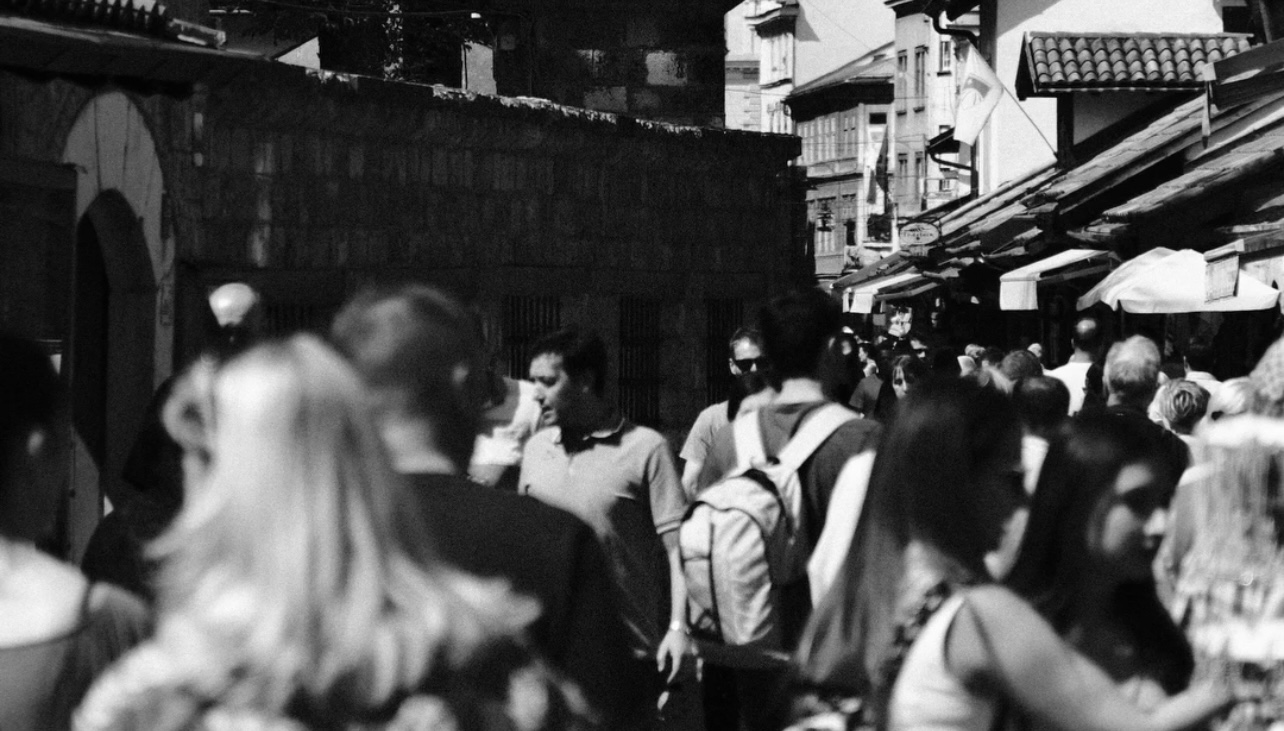
Going to cafes and restaurants is an integral part of everyday life in Bosnia and Herzegovina. Some coffee shop owners in the FBiH fear that the implementation of the law will lead to reduced business from smoking customers. Alden Kahriman, the owner of Caffe Bar Twins in Grbavica, Sarajevo, describes the dilemma: “The new smoking ban has definitely had an effect. Customers who are smokers here are used to sitting with a cigarette, and now they choose cafés where smoking is still allowed. I never considered banning smoking entirely in our café, but because of this law, we have to adapt, which is why we’re currently installing a ventilation system. I want to accommodate both smokers and non-smokers, because at the end of the day, those are my customers and smoking is still a big part of our culture.”
The Association of Hoteliers and Restaurateurs of BiH criticized the law as overly rigid, warning it could hurt the tourism sector in a country where more than 40% of adults smoke. They have called for designated smoking areas as a compromise.
Changing Plans for Going Out
Ćosović also observed that the ban has changed the way young people spend time in cafés: “Before, we used to stay longer in one place, but now we often leave after an hour or so and move to another café. I think this will influence smoking habits, especially in winter, when people will have to step outside into the cold to smoke. At least during nights out, people will probably smoke less”, said non-smoker Ćosović.
For smokers, the adjustment has been more complicated. Amar Zećović, a young adult currently working as a waiter who is also a smoker, admitted: “When I sit in a café where smoking is banned, I feel like something is missing. Coffee just doesn’t taste the same, so I avoid those places.”
While the law hasn’t changed how often he goes out, it has influenced his choice of venues: “It definitely hasn’t reduced how much I go out, but it has changed where I go. I choose cafés where I can smoke.”
Smaller establishments and cafes face the greatest financial burden of adapting. Compliance requires costly renovations such as specialized ventilation, automatic doors, and designated smoking rooms Fines for non-compliance with legal provisions on the prohibition of smoking or the adaptation of spaces where smoking is permitted can range from 500 to 15,000 convertible marks.
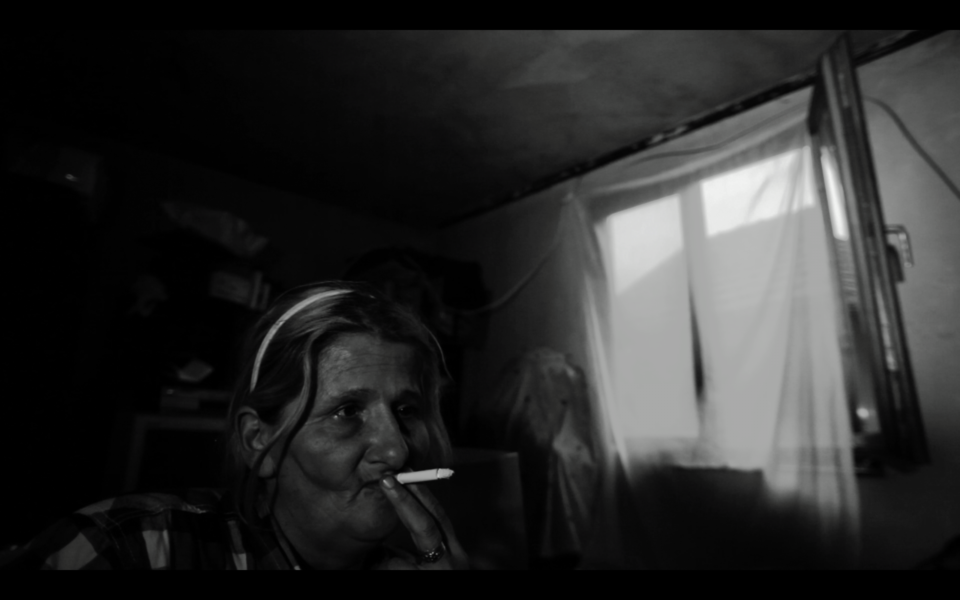
Zećović doubts the measure will change habits but still understands the reasoning behind it: “The ban won’t lower smoking rates – it will just harm the businesses that depend on us. But I can’t say it’s not fair. It’s reasonable and justified. We can smoke, just not indoors in shared spaces.”
Niaza Dorfer, a pensioner and smoker, admitted that the new law had both positive and negative effects: “The ban suits me, especially in indoor spaces – it’s easier to breathe. But of course, our freedoms are limited. We grew up with that. Smoking indoors was normal and I still do it at home, so with the new law I’ve had to adapt, though it hasn’t been easy.”
Even supporters of the law admit that its success will depend on consistent enforcement. Inspectors are tasked with monitoring compliance, but with limited resources, questions remain about how seriously violations will be pursued.
“Laws are one thing, but enforcement is another. Without proper oversight, the law could quickly lose credibility,” noted the Sarajevo doctor.
Even though the smoking ban is not nationwide, as the Republika Srpska entity and Brčko District have not adopted it, the ban in the Federation marks a significant move toward European public health standards. For now, the debate remains as lively as ever – with or without a cigarette on the side.