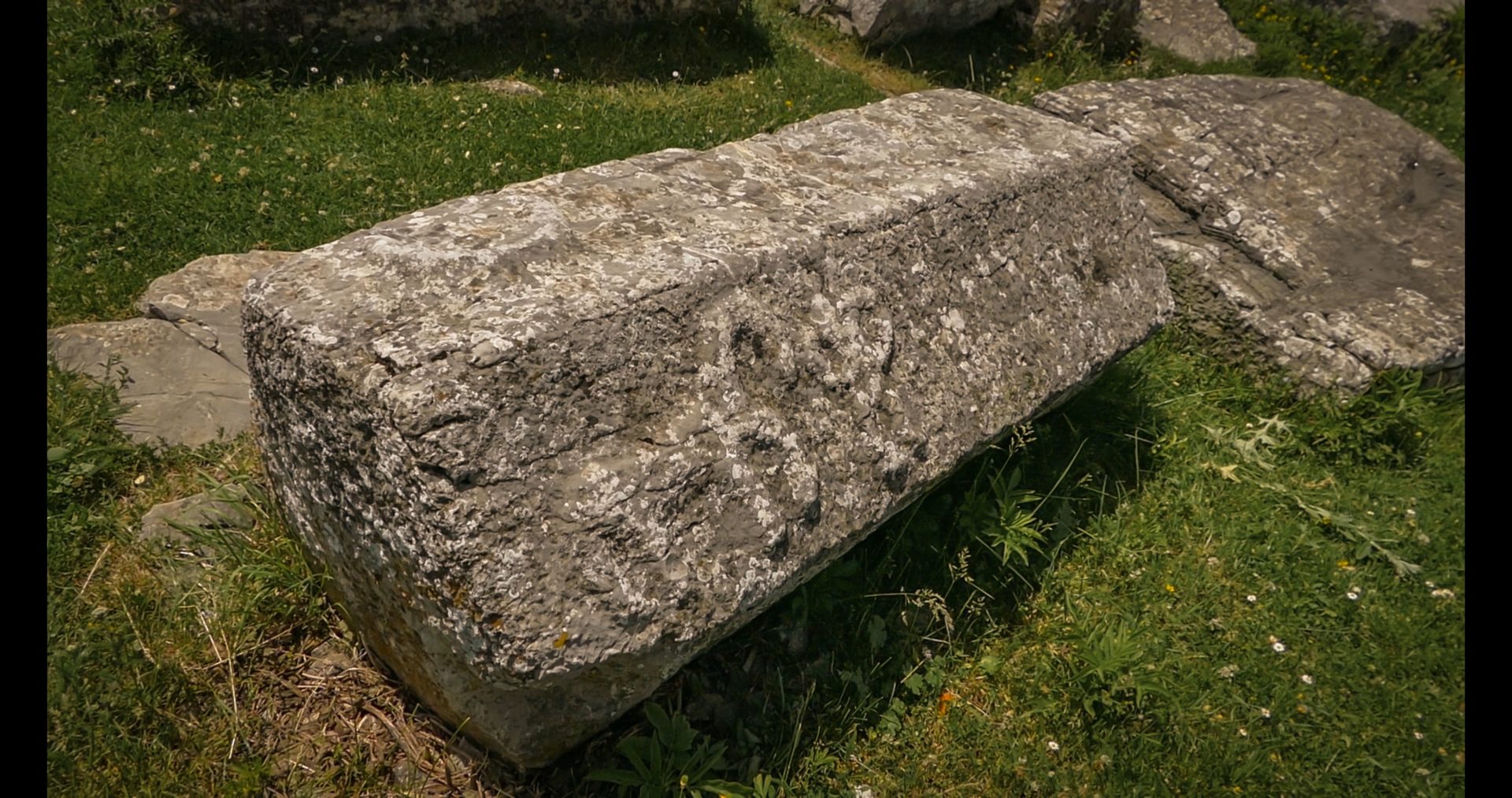
It’s impossible to talk about Bosnian history and cultural heritage without mentioning the stećci, or medieval tombstones, and their necropolises.
They can be found across Bosnia and Herzegovina (BiH), including in the municipality of Vareš, which is home to around 40 necropolises with approximately 500 stećci. Two of these sites have been declared national monuments: the Lipa necropolis in Stupni Do and the necropolis of stećci and nišani (early Ottoman tombstones) in the village of Budoželje. It is often said that in Vareš, every village has its own necropolis.
Historian Almir Čikmiš, an expert associate in the Local Development Management Unit of Vareš Municipality, said that the numerous medieval tombstones in this region testify to the rich history and continuity of life there.
He characterizes these tombstones as “the most significant, most representative, and most authentic monuments of the Bosnian Middle Ages,” adding that the majority of them are in the Vareš region.
Nothing has been done to protect the national monuments in Stupni Do and Budoželje. According to Čikmiš, it is a common practice in BiH to declare a site a national monument and then abandon it to the ravages of time and decay, with absolutely no concrete measures taken for its preservation.
“The national monument status by no means ensures that a monument will be treated as a specially protected monument of national importance. On the contrary, this status often implies much more complicated and demanding procedures for protecting these monuments, which also poses a problem during any possible construction on the site itself,” explained Čikmiš.
He added that the status of a national monument in this country is, in the vast majority of cases, a dead letter on paper. In practice, it does not contribute anything to the monument itself in terms of special status and investment in its protection, preservation, and promotion.
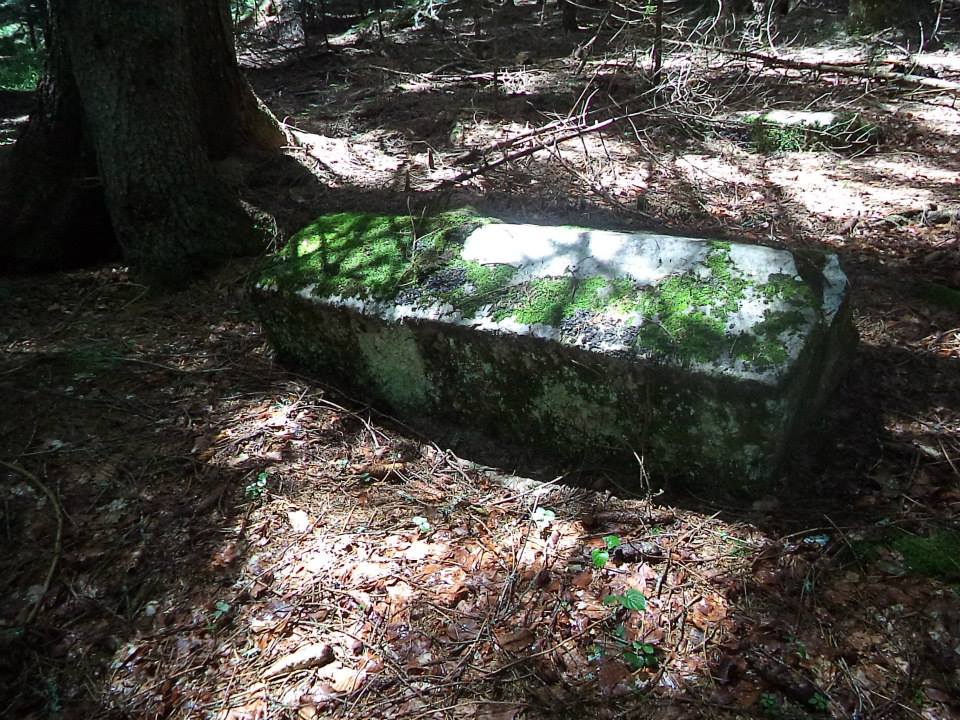
“A lot is said and written about stećci, but every year the necropolises are becoming more neglected and inaccessible,” warns Čikmiš, adding that the main problem in protecting and promoting these monuments is the lack of systemic will.
Local communities, he added, do not have a basic budget to deal with the protection of these tombstones, nor are there any allocations from the municipal budgets for the preservation of stećci necropolises. He believes that the problem of protecting stećci should be addressed systematically and that the initiative should come from higher levels of government, with expert and financial support.
With a lack of systemic support, monuments are often vulnerable to neglect, devastation, and destruction, usually without any form of sanction or legal consequences.
The deterioration of the stećak tombstones in the Vareš region is detailed in Samila Beganović’s 2023 master’s thesis titled Stećak Tombstones of the Vareš Region. Her findings are based on a comprehensive review of the current situation conducted through extensive fieldwork.
Beganović defended her master’s thesis at the Department of Archaeology of the University of Sarajevo. A year earlier, the book Mramorje Breze i Vareša by Ćamil Omerhodžić and Edin Hadžimustafić undertook a comprehensive inventory of necropolises and stećak tombstones from the Vareš and Breza areas.
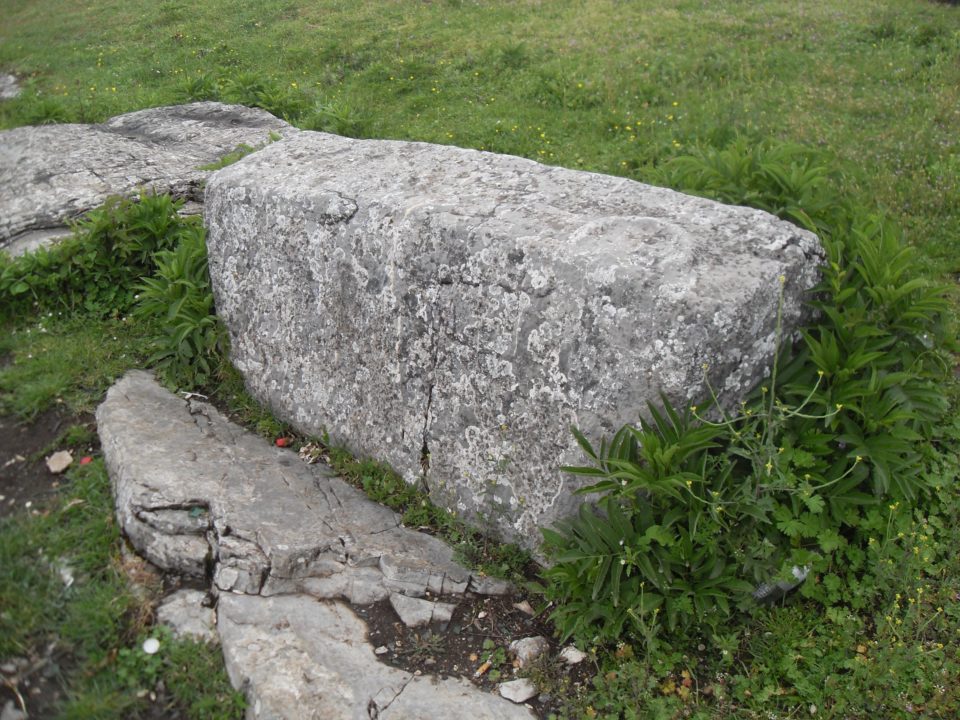
According to official data from the early 1970s republished on the research platform Nekropola, there were slightly more than 70,000 stećak tombstones recorded in BiH at that time. However, modern field research suggests that there are about 100,000 of them. Given the deterioration and neglect in the past, it can be assumed that a significant number went unaccounted for.
Stećci are unique to BiH. According to Nekropola, their shapes, ornaments, inscriptions, dimensions, number, and, above all, rootedness in medieval society set them apart from similar artefacts from European and world history. For this reason, stećci have been recognized and included on the UNESCO World Heritage List.