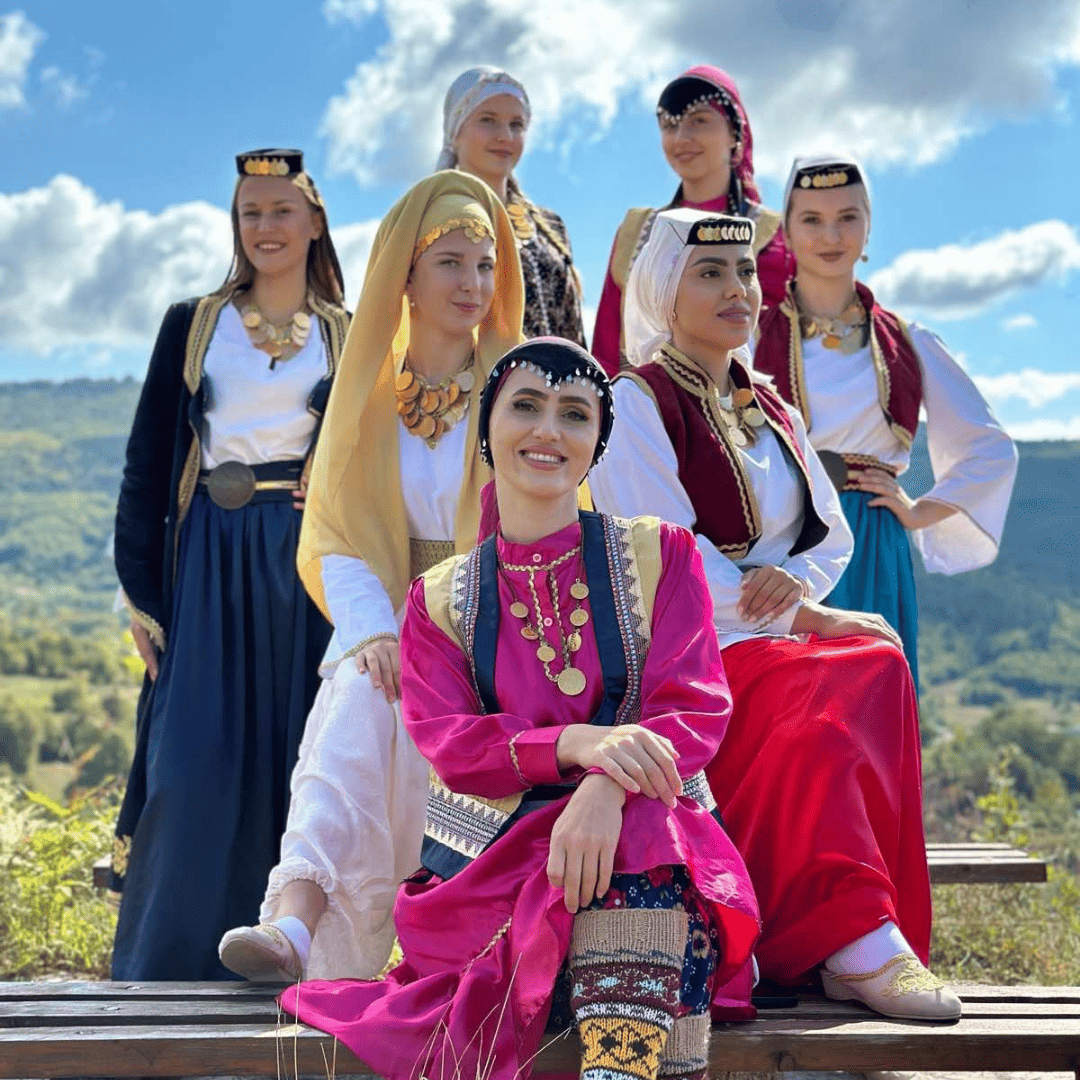
Conversations over coffee, šerbe (a traditional sweet juice), and traditional delicacies, sometimes featuring songs or stories passed down through generations, were once a tradition in Bosnia and Herzegovina but are now increasingly being forgotten.
Sijelo, the Bosnian traditional gathering, used to be the heart of social life where news and anecdotes were shared, representing the cultural memory of the people. However, this tradition is slowly disappearing, raising the question of how to preserve the spirit of the volk in modern society.
“Sijelo was a summary of today’s television programs. People exchanged news, discussed common issues, talked about teferic [the fair], but also told poems and stories. It also had an entertaining character, with games, skits, and songs,” according to Midhat Kasap, a professor and former director of the Zenica City Library.
In rural areas, sijelo was a gathering for neighbors, relatives, and occasional travelers. In cities, they were often somewhat more intimate, attended by relatives or friends. Taverns and inns also played a special role, where people of different backgrounds, artisans, and travelers met, conveying news and customs from other regions.
Kasap explained that in Zenica, for instance, there were often artisans who spoke several languages, so they could speak to foreigners about local customs and traditions at sijelo. When they spoke to others about our customs and traditions there were no official translators available, so artisans who spoke Arabic, Turkish, German, or Persian acted as translators when needed. During the 20th century, the translation work was taken over by Austrians, Czechs, Hungarians, Germans, Slovenians, Slovaks, Italians and others, who came to Zenica, hungry for bread, and started working in different companies such as Kaznionica, Rudnik, Željezara, Vatrostalna…
Oral Poetry and Collective Memory
Ibnel Ramić, an associate professor and researcher of oral literature, emphasizes the importance of villages in preserving oral traditions. “Sijelo was an important sociological and cultural phenomenon. In times when there were no books, radio, or television, they were the basic spaces for transmitting oral poetry, stories, and collective memory,” says Ramić.
Sijelo was instrumental in shaping public opinion. Stories, songs, and recitations were not just entertainment but a way of understanding the world and passing on values from generation to generation. “The oral tradition could not have survived without such gatherings. They were a kind of ‘living archive’ of the community,” adds Ramić.
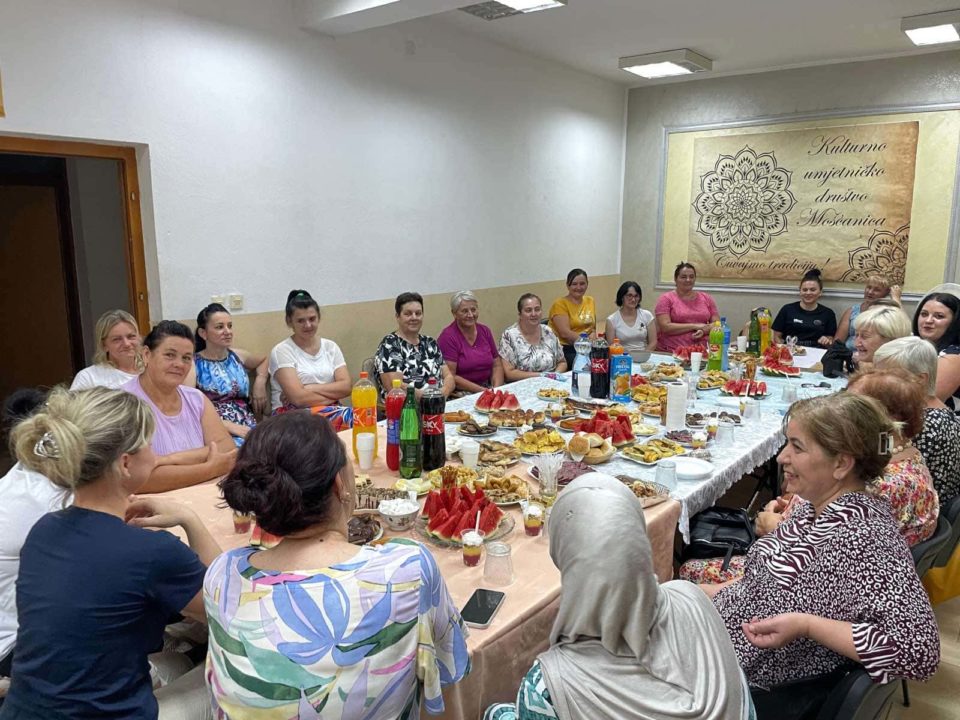
There multiple functions of sijelo ranged from the informative and educational to the entertaining. Kasap notes that discussions frequently centered on local fairs, village and family events, and building interpersonal relationships. The last sijelos that Kasap personally remembers were in the late sixties and early seventies, when he visited his paternal grandmother in the village of Šibliće near Zenica during the winter holidays.
At that time, he notes, electricity had come to most of the villages around Zenica, which catalyzed the near disappearance of sijelo from everyday life. He explains that electricity, compulsory schooling, professional development, dances, travel, and new means of communication led to major transformations in social life, including growing alienation and, as a result, the gradual extinction of such practices.
“In the past, sijelo was associated with a certain place or space. Only hosts changed. Even today, people are connected to certain places and spaces, but the basic characteristic of these new gatherings is less and less closeness: in conversation, in sharing knowledge, in feelings,” Kasap reflects.
Keeping the Spirit of Sijelo Alive
Nevertheless, some cultural associations are working to preserve at least the spirit of these bygone social gatherings. Mošćanica, a cultural and artistic society in Zenica founded in 2012, strives to preserve the tradition of communal gathering, conversation, and song through traditional dance rehearsals, performances, workshops and informal get-togethers that create a space reminiscent of sijelo.
“Sijelo was not just dance and song, but an opportunity for people to connect, share stories and build a sense of community. This is a value we are trying to pass on to the young generations,” says Mošćanica.
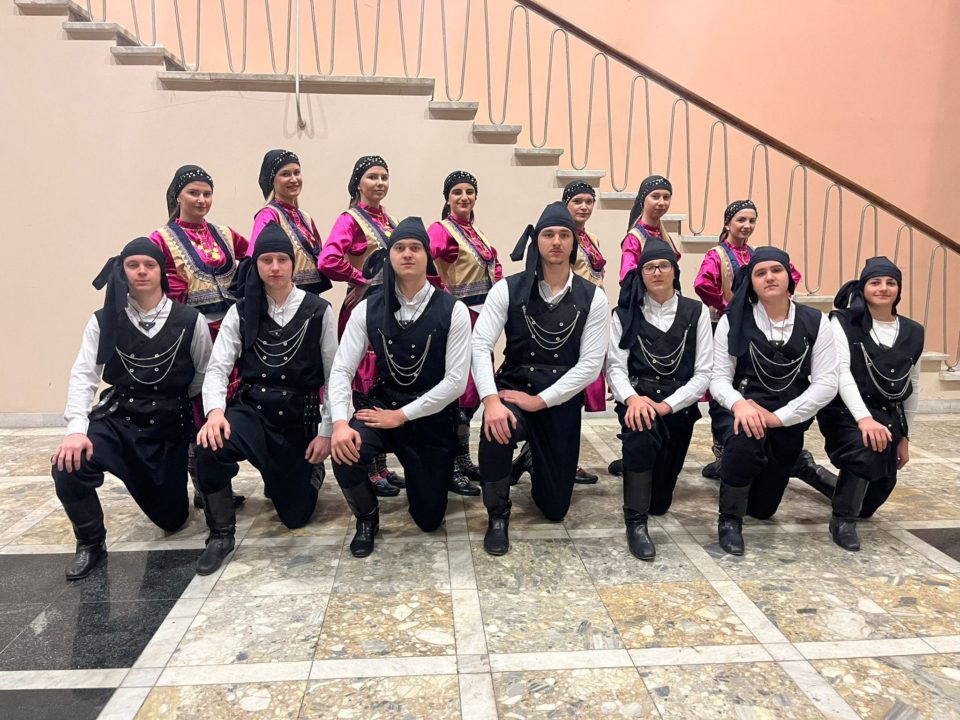
They add that one of the biggest challenges today is bringing tradition closer to young people without imposing nostalgia. “Young people often perceive tradition as something that belongs to the past. Our goal is to show them that it can be part of contemporary identity, something to be proud of,” they explain, adding that travel, international festivals, and cultural exchanges play a key role in that process.
By presenting Bosnian culture abroad, members of Mošćanica gain a broader perspective on the value of their own tradition. “When young people see the interest of other cultures in our customs, they understand that what we inherit has universal value,” they point out.
They place special focus on involving young people, who, through participation in cultural activities, come to see tradition not as outdated but as part of a modern identity. International festivals and cultural exchanges, such as the “Mošćanica Fest,” confirm that traditional practices can fit in a modern context.
A Modern Sijelo
Profesor Ramić believes that sijelo’s original social role is tied to a past time: “The modern way of life has narrowed the space for such gatherings. Although it’s possible to translate certain elements of sijelo into new, even virtual forms, it’s hard to expect the return of their former function in real life.”
He emphasized that the oral tradition has not disappeared but has been transformed. “Today, elements of oral poetry appear in literature, theater, film, and other art forms, often unconsciously,” he adds.
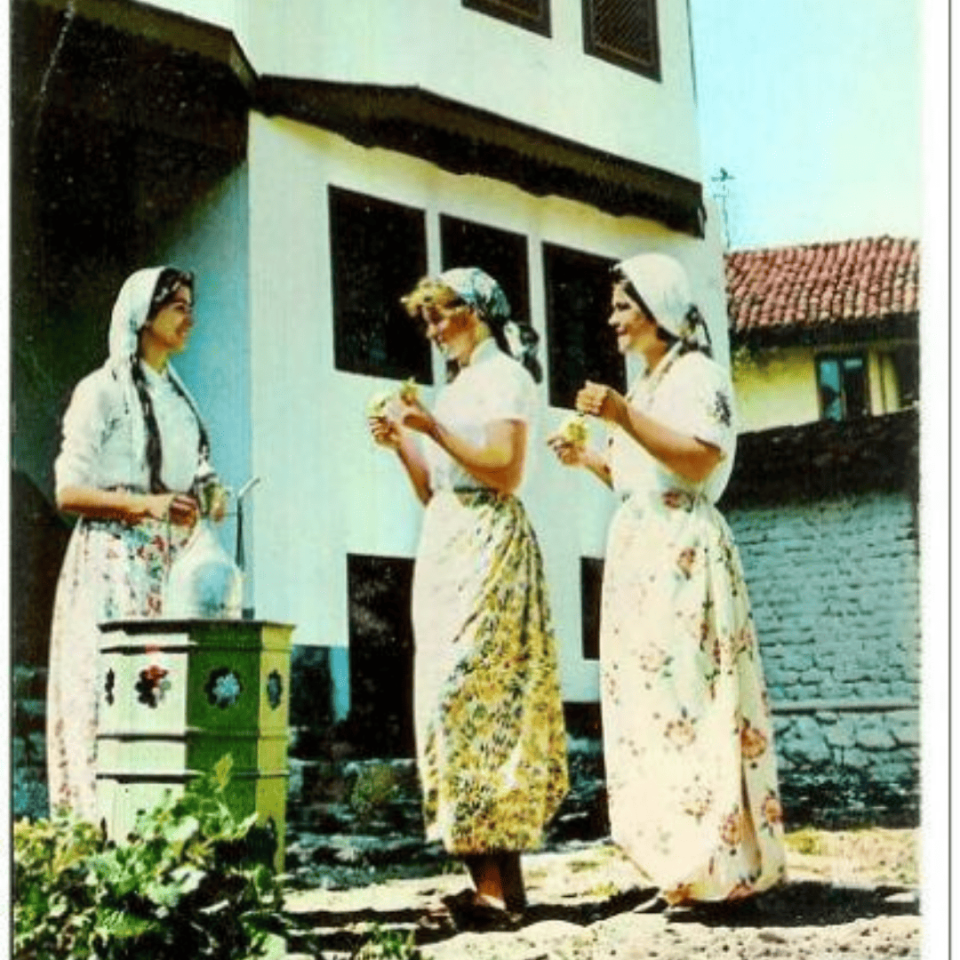
Asked whether the Bosnian sijelo has a future, he says that it was the product of specific social circumstances that can no longer be reconstructed in the same form today. “Sijelo was conditioned by a lifestyle, the slower pace of everyday life and the need for direct communication. The modern way of life has narrowed the space for such gatherings, which is why it’s difficult to talk about their return in their original form,” Ramić points out.
In contrast to theoretical approaches to these gatherings as a cultural phenomenon, Kasap speaks from personal memory, explaining that the basic thread of sijelo was the story, and when the story disappeared, so did sijelo.
He reflects that the survival of cultural heritage doesn’t depend on nostalgia but on systemic support and social awareness. “Culture was born from love and is its mirror. If we don’t understand its importance and don’t invest enough resources in its recovery and development, we will lose much more than customs. We will lose a part of ourselves,” concludes Kasap.
Ramić also warns of the danger of romanticizing the past, emphasizing that sijelo should not be viewed solely through the prism of nostalgia. Instead, their real social function should be understood in the context of the time in which they were created. “It’s important to understand them as a phenomenon of their time. Their value is not in trying to artificially revive them, but in recognizing the principles they carried – togetherness, listening, and sharing experiences,” concludes Ramić.
The issue of sijelo today is not a question of their renewal, but a question of the relationship of contemporary society to closeness, dialogue, and cultural memory. Between loss and transformation, sijelo remains a reminder of a time when conversation was a central social event – and of the need to rediscover that conversation in some new form.
Examples like the Mošćanica Society show that tradition does not have to remain trapped in the past but can find new forms of expression. In this space between memory and modernity, a key question arises of how to preserve the values that once formed the core of a community, without losing touch with the times in which we live.