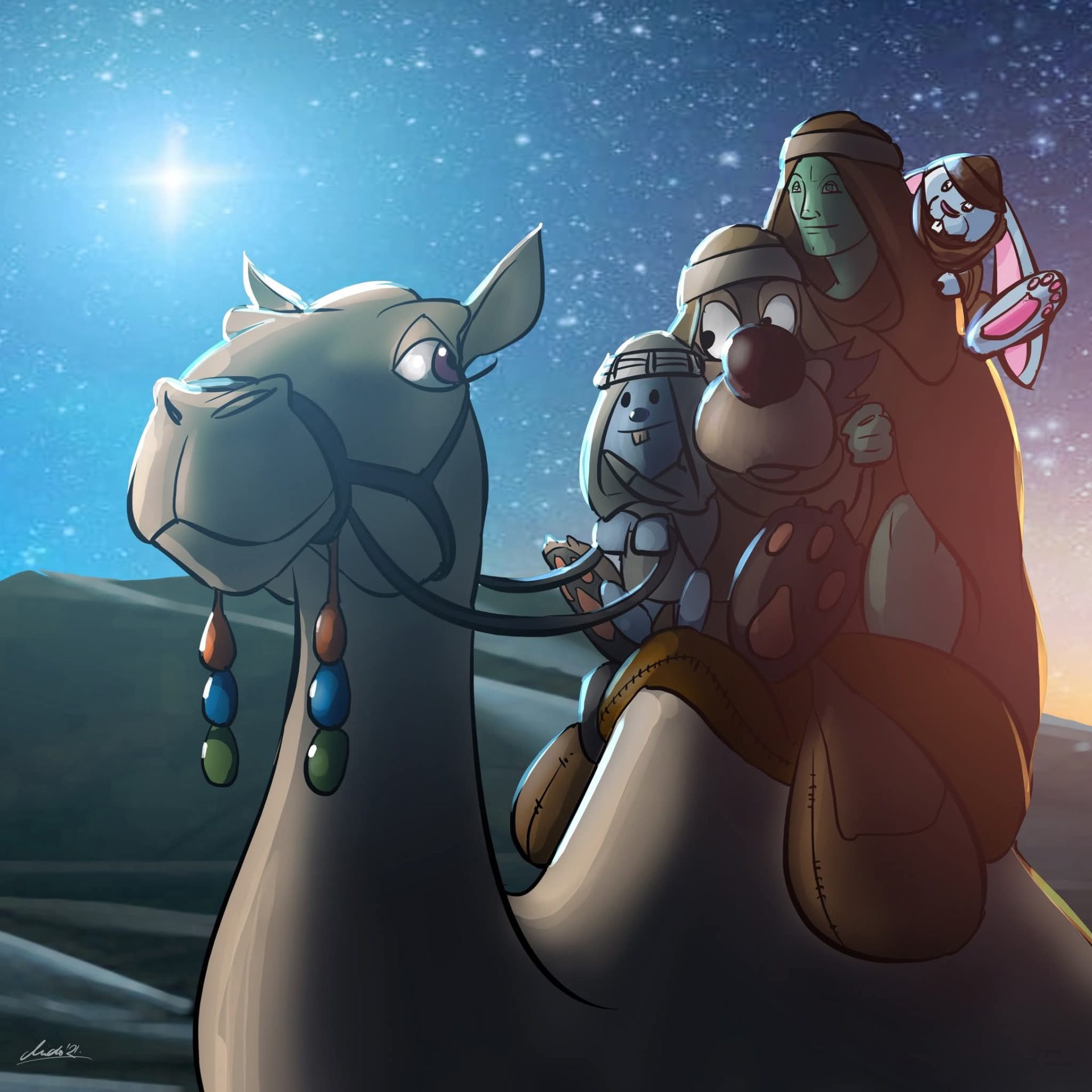
We will meet again one day, When small voices fall silent, So the last may lose their strength, It is not water that puts it out, but the sweat of the brave, Scream for those who want to live— these are some of the messages of Midhat Kapetanović’s illustrations, which symbolically honor or call attention to events in Bosnia and Herzegovina, the region, and beyond.
He has been recognized as a Bosnian-Herzegovinian illustrator who unites people from across former Yugoslavia, although he personally does not see his work as intended for a wide audience.
Kapetanović was born in 1976 in Sarajevo and belongs to a generation that grew up in a time of great social change. After studying architecture at the University of Sarajevo, he devoted himself to design, conceptual art, and the multimedia industry.
During his career, he has worked on numerous projects in the fields of film, television, gaming, and theatre, collaborating with domestic and foreign clients, both independently and in various production teams. He has illustrated children’s and picture books, created magazine and book covers, and worked on storyboards for film and TV productions. He is currently working on his own project The Bear Empress [Medvjeđa Carica], which is in the process of being published in several languages, as well as on comic book projects for foreign publishing houses.
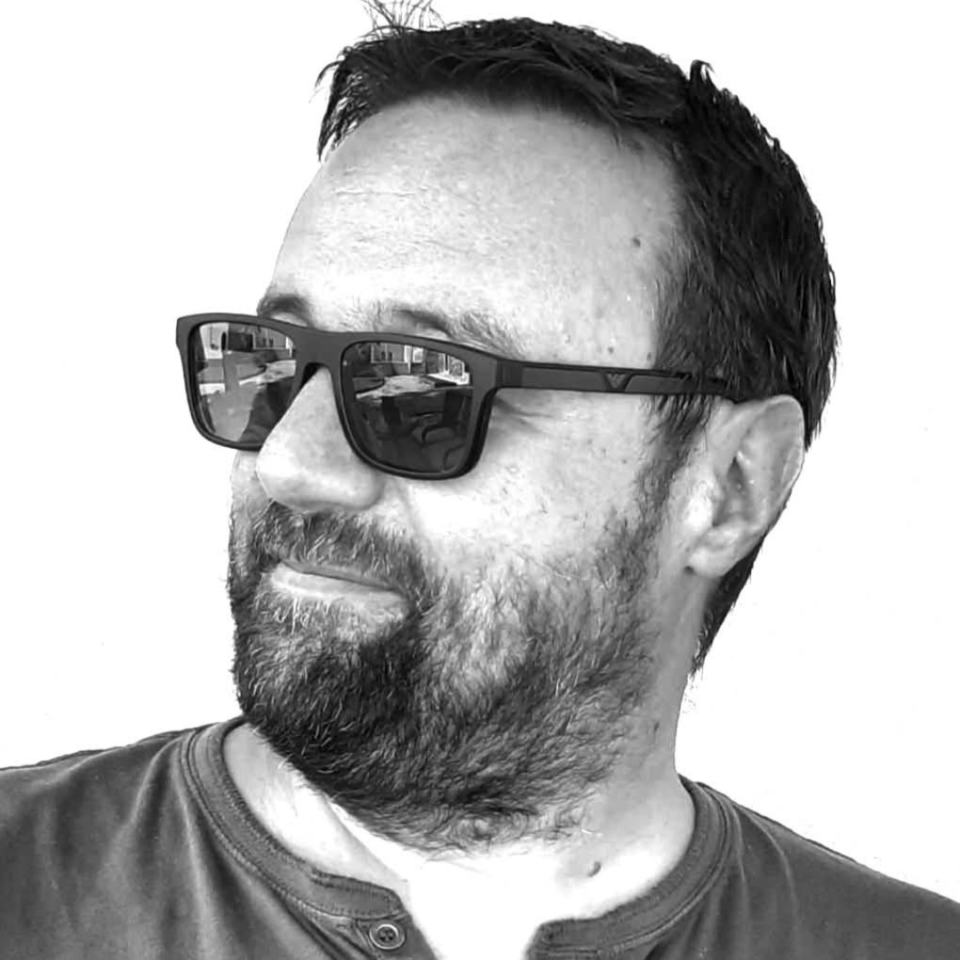
His love for drawing, he says, has been present since his earliest days.
“I can say for myself that I drew before I wrote, and the reason for this is that I was born in a space and time where it was easier to draw people than to explain some fundamental truths of life in words,” said Kapetanović.
His work often provokes strong reactions, but he emphasizes that it is not aimed at a large audience.
“My work is pretty self-explanatory, and I’m happy to say that it is not intended for a wide audience. Writing and talking about fine art is as stupid as dancing about geography; people who honestly have no need for cultural upliftment and spiritual development do not need to be explained the point of a joke. If someone needs validation of their own intellectual processes, I guarantee that they will find you, as an author and artist, sooner or later – especially in the age of mass communication,” Kapetanović stated.
Speaking about the position of caricature and illustration in Bosnia and Herzegovina, Kapetanović gives a metaphorical but clear answer: “Art is a mirror in which distorted reality is ironed out into a reasonable idea. Many people in Bosnia and Herzegovina (and beyond) do not like looking in the mirror, because it implies that they have to do something about themselves, and it is much more fun to call out the weed in the neighbor’s yard.”
When asked about what awards he expects for his illustrations, he replies that it is difficult for every artist to choose a specific work worthy of an award because each piece represents that creative person at a different point in their life and, therefore, as a different person who is constantly evolving. “But, if I had to choose under pressure, it would probably be second place in the pancake eating competition in Zaostrog in 1989,” Kapetanović joked.
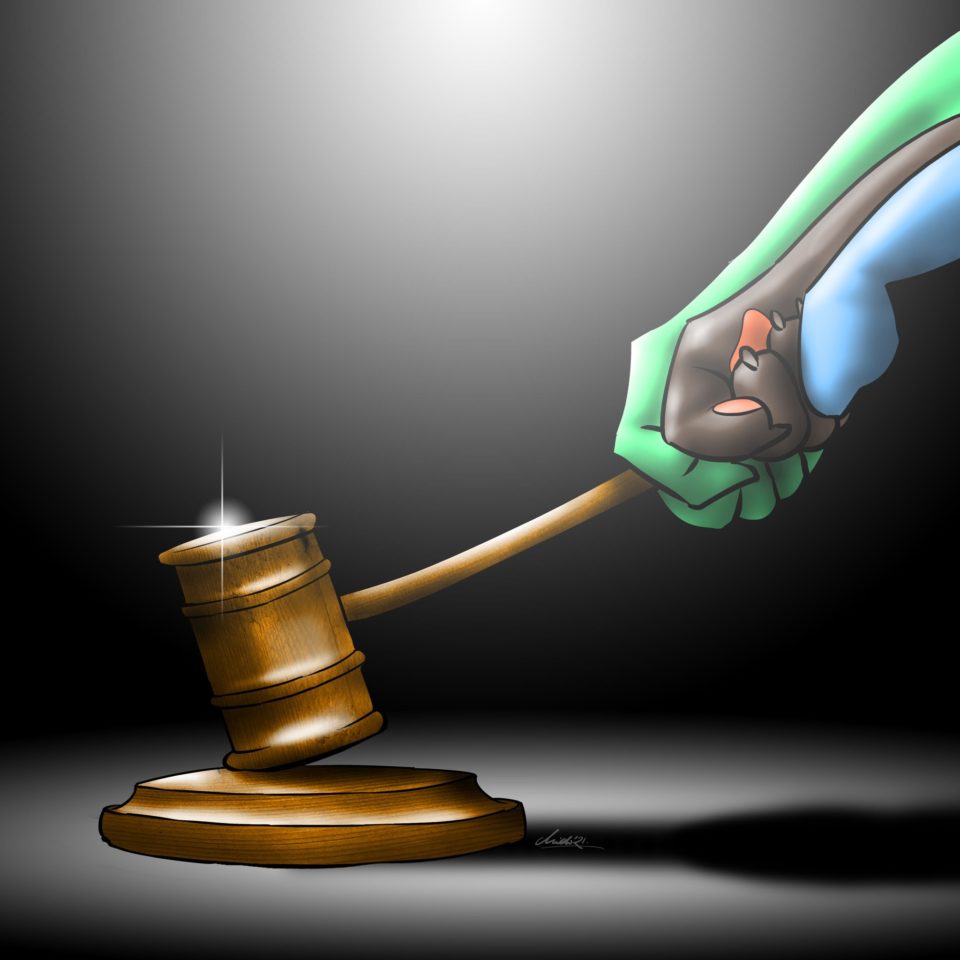
When it comes to the possibility of making a living from caricature and illustration in Bosnia and Herzegovina, Kapetanović offers a vivid analogy:
“In Bosnia and Herzegovina, you can absolutely make a living from caricature and illustration, but in the same way that you can make a living from selling ice cream in the middle of the Sahara – any client who finds you will experience a fundamental change in their life for the better, but don’t expect too many crowds at your stand because tourism is weak in the middle of an intellectual and spiritual desert.”
His answers, just like his drawings, do not offer simple explanations or try to please everyone. At a time when it is often easier to look away than to face reality, Kapetanović reminds us that art still has the power to be a mirror – sometimes unpleasant but always necessary. Whether through irony, metaphor, or the silence between the lines, his work remains a space that recognizes those who still need to see, understand, and feel.