“Comrade Tito, to You We (Still) Pledge Our Allegiance”

“Jugoslaviju su činile šest Republika, pet nacionalnosti, četiri jezika, tri religije, dvije autonomne pokrajine i jedna stranka.”

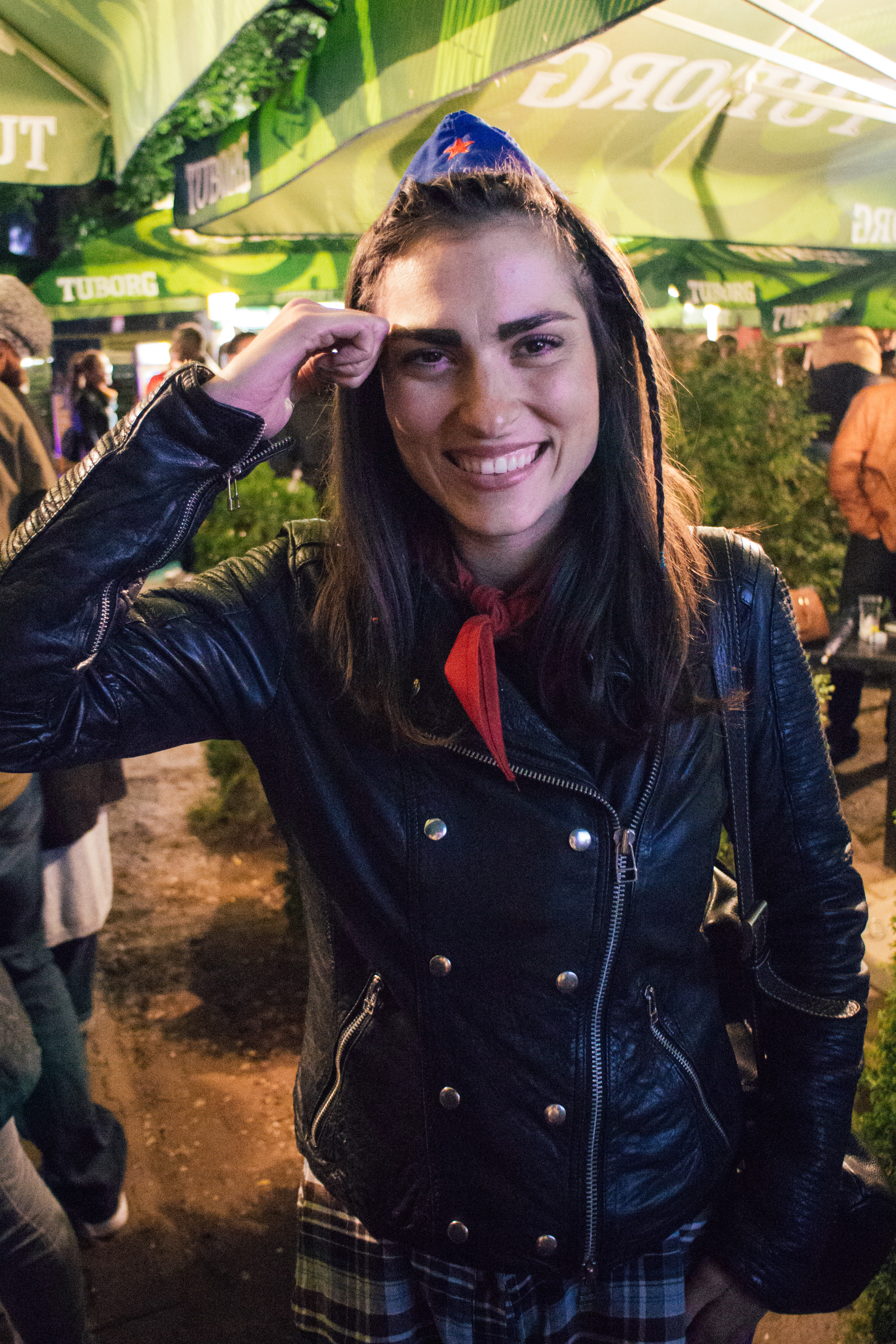
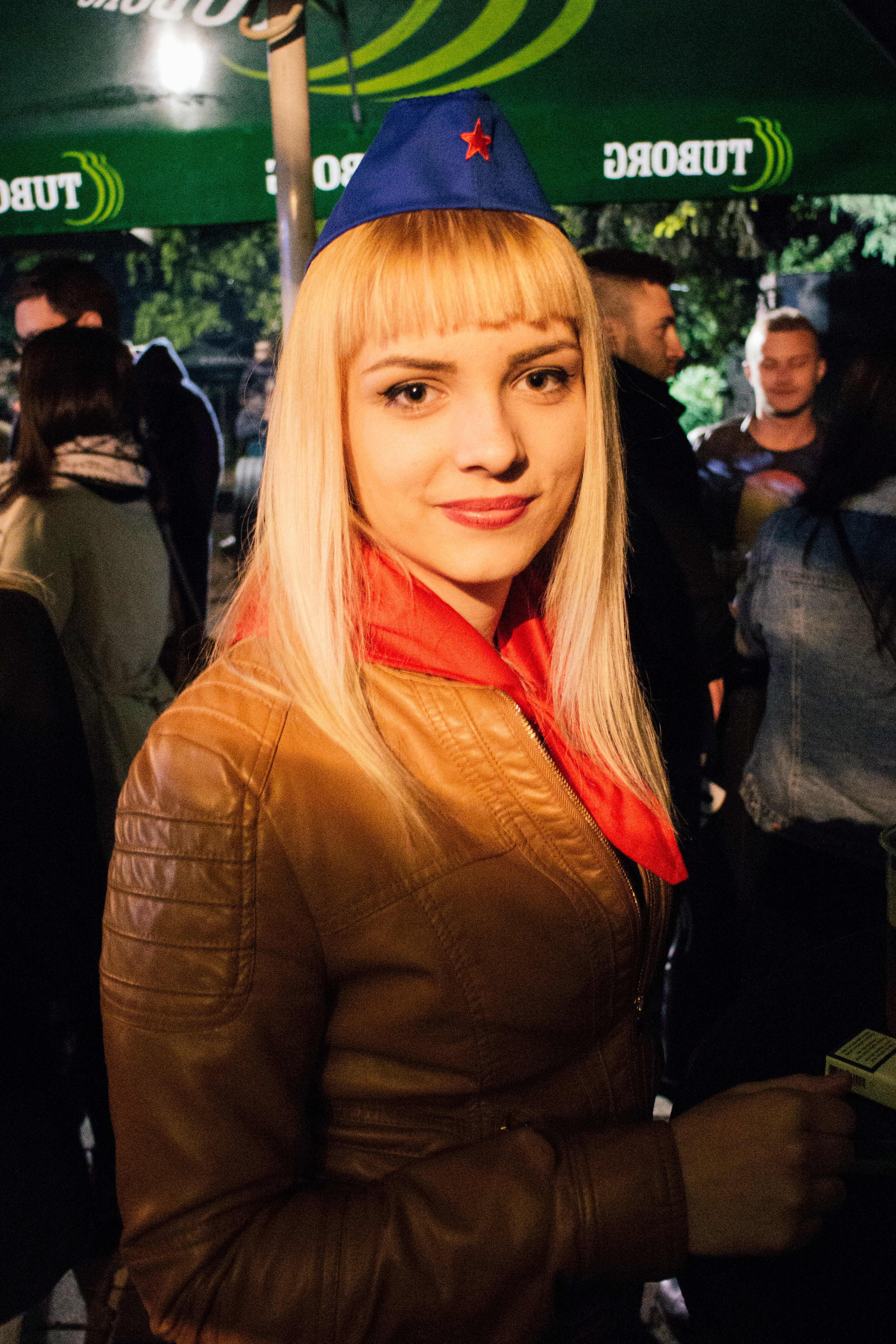
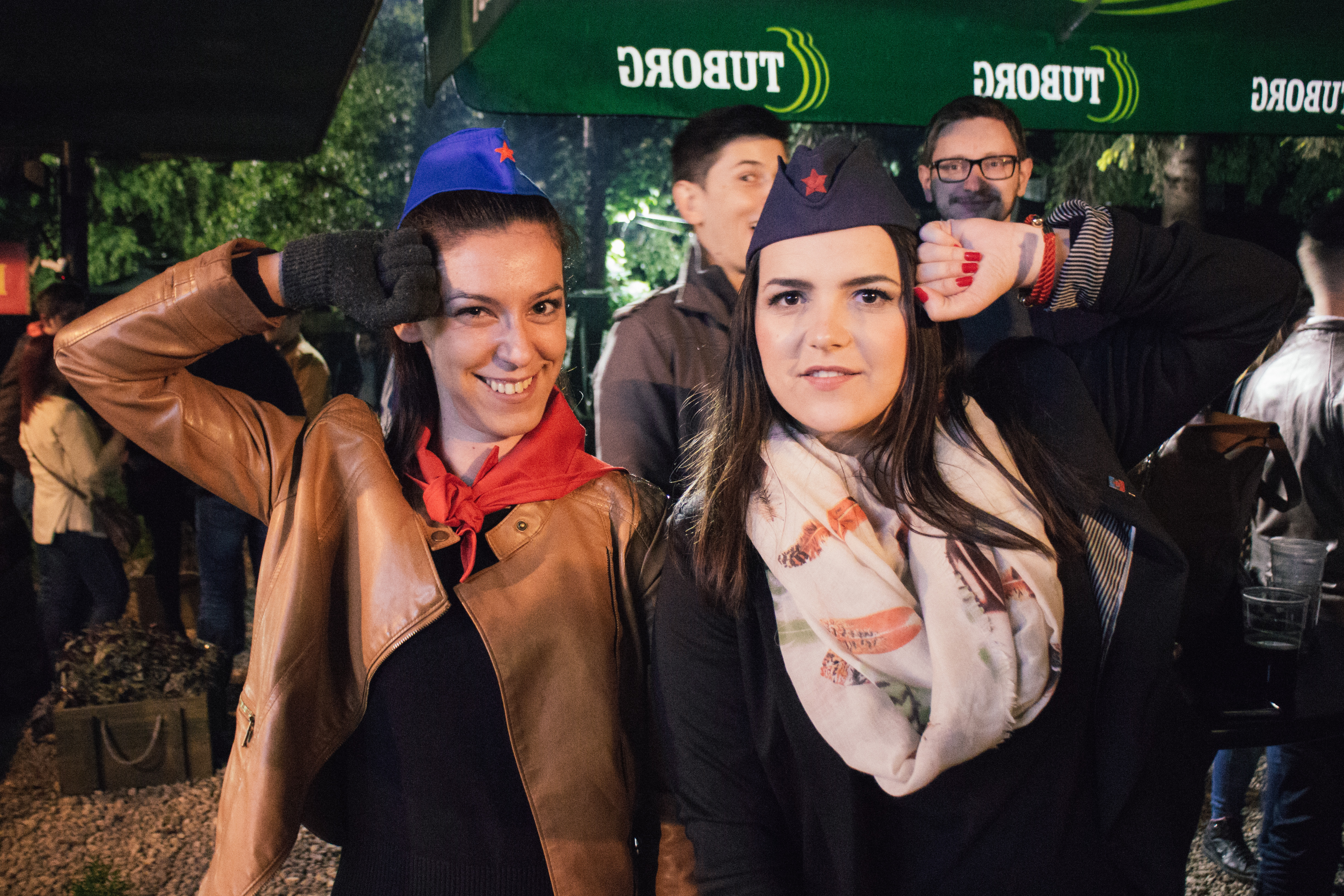
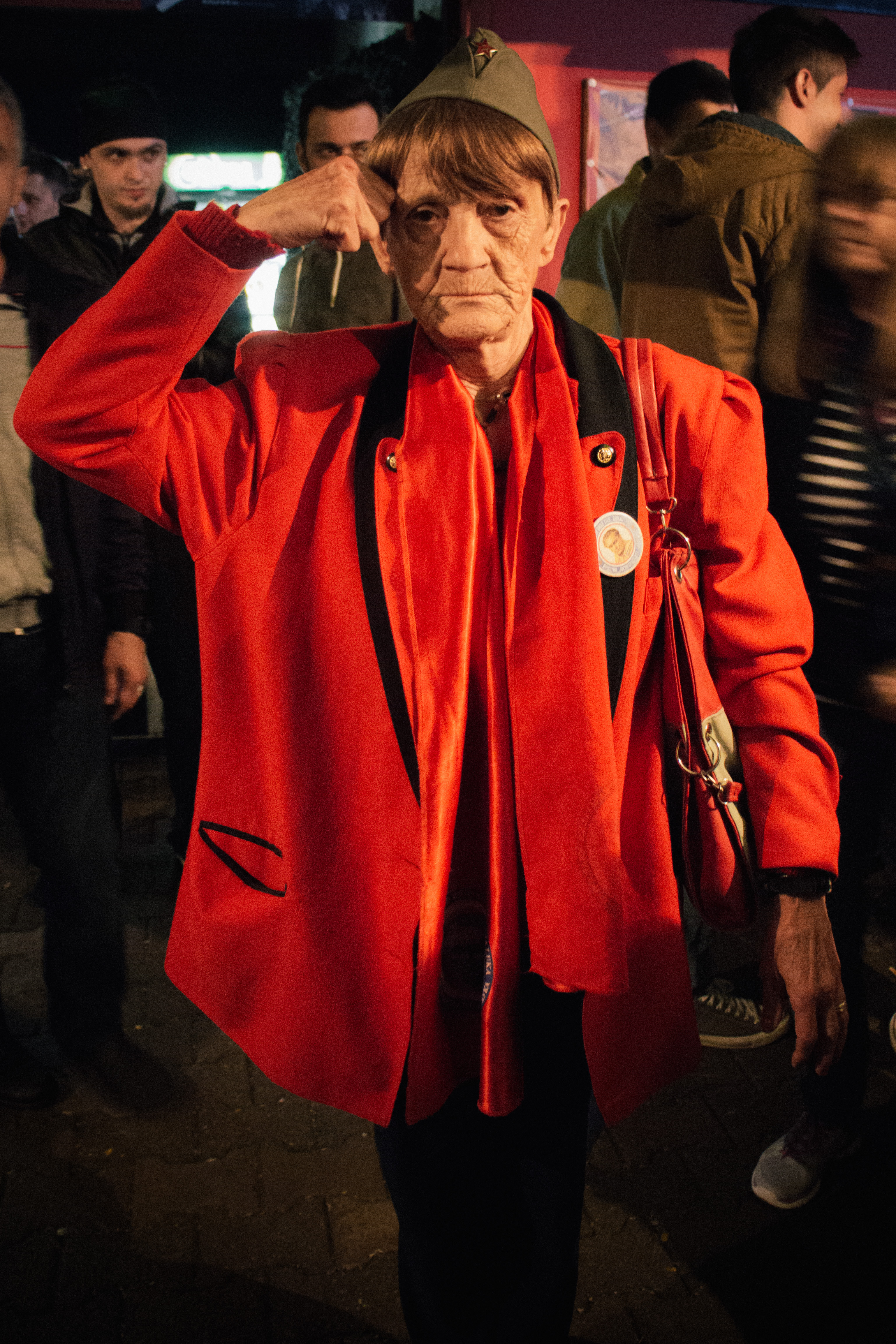
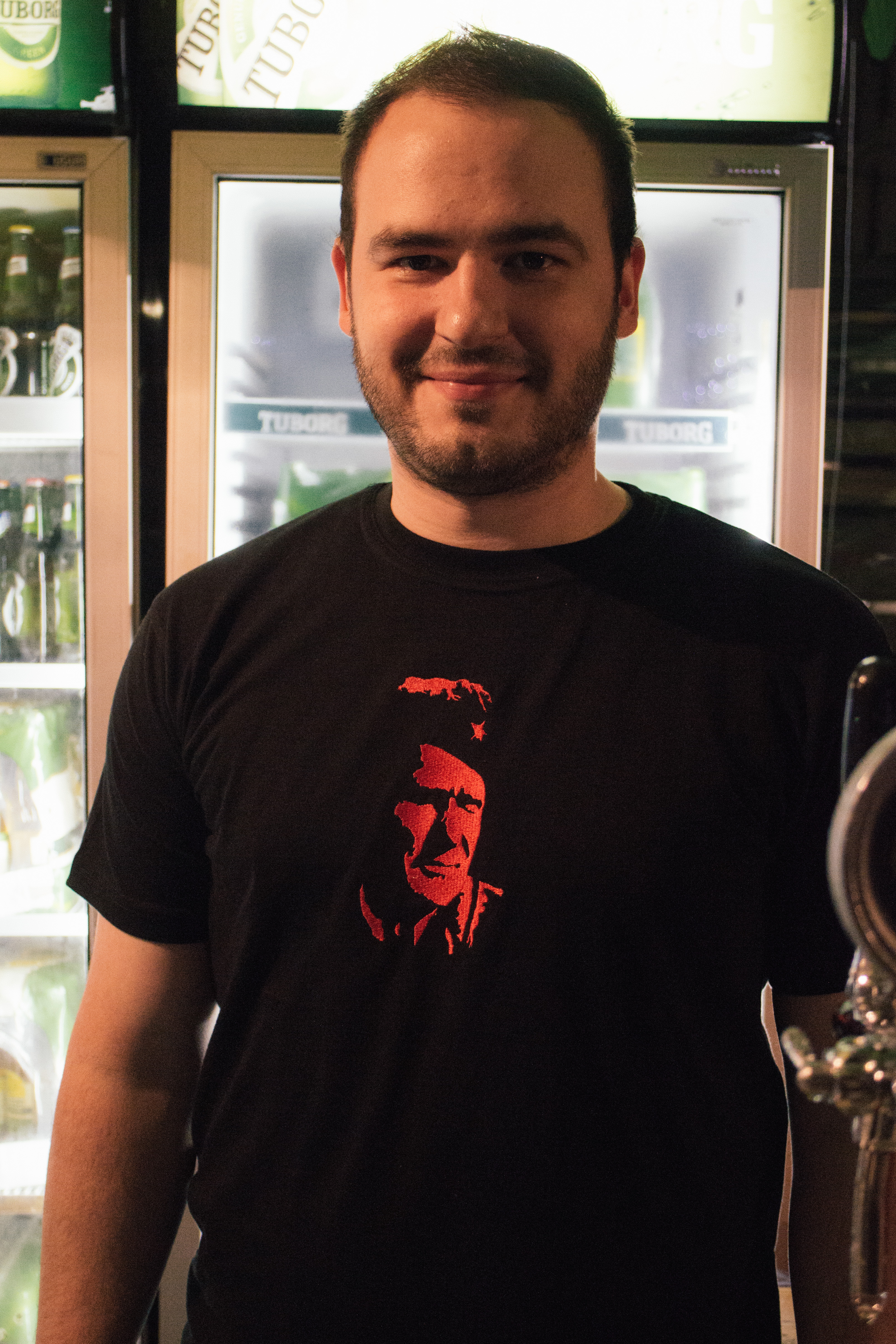
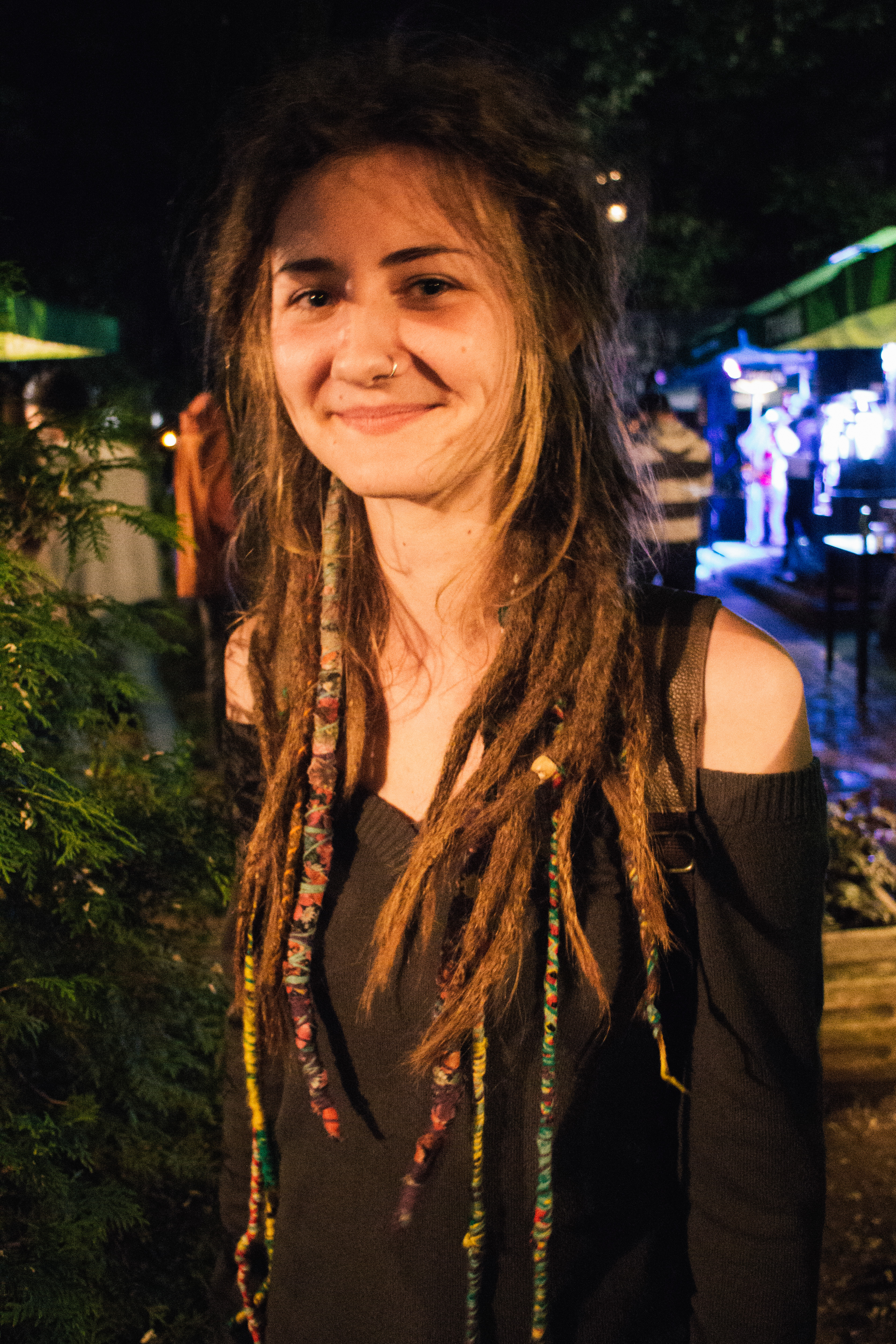
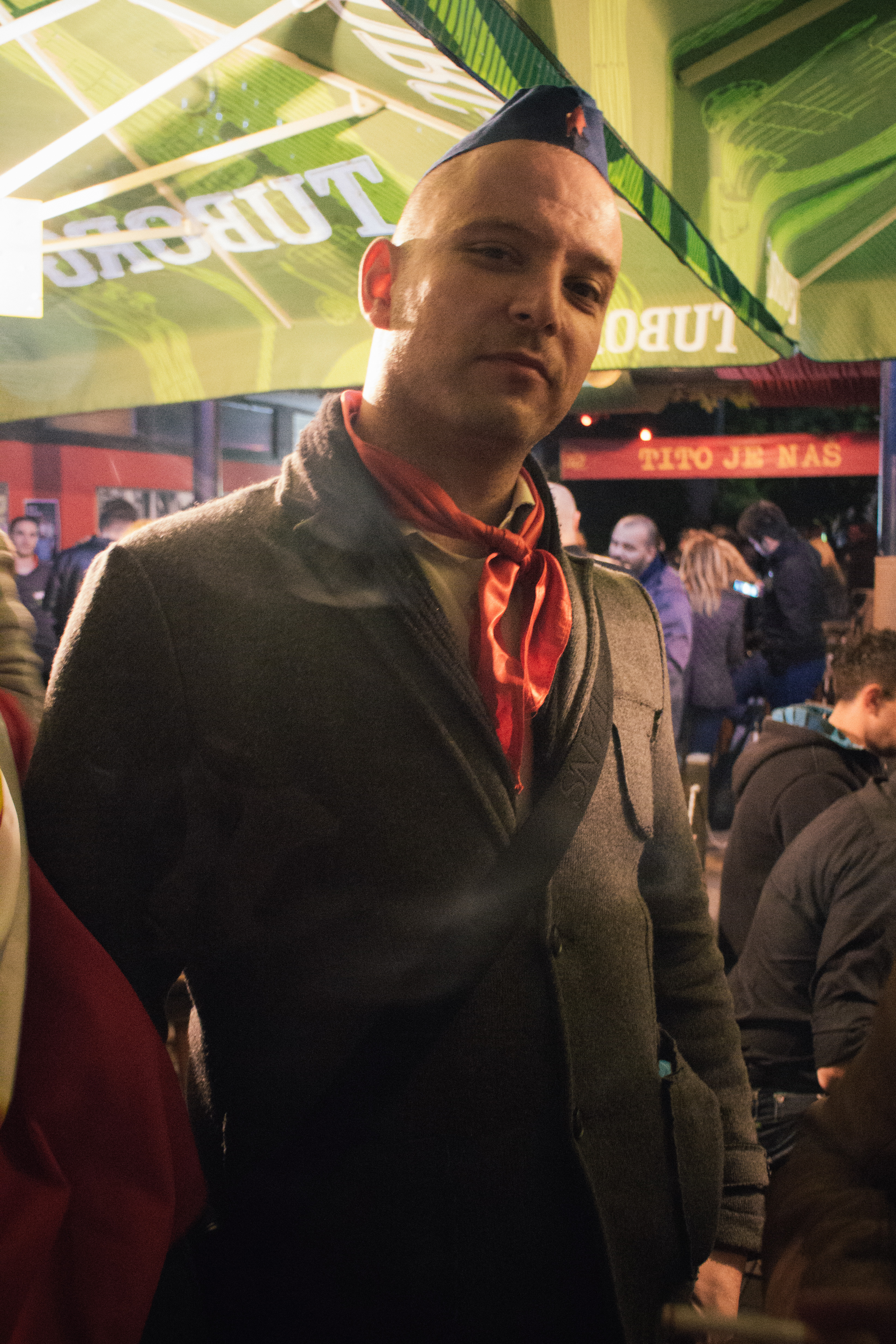
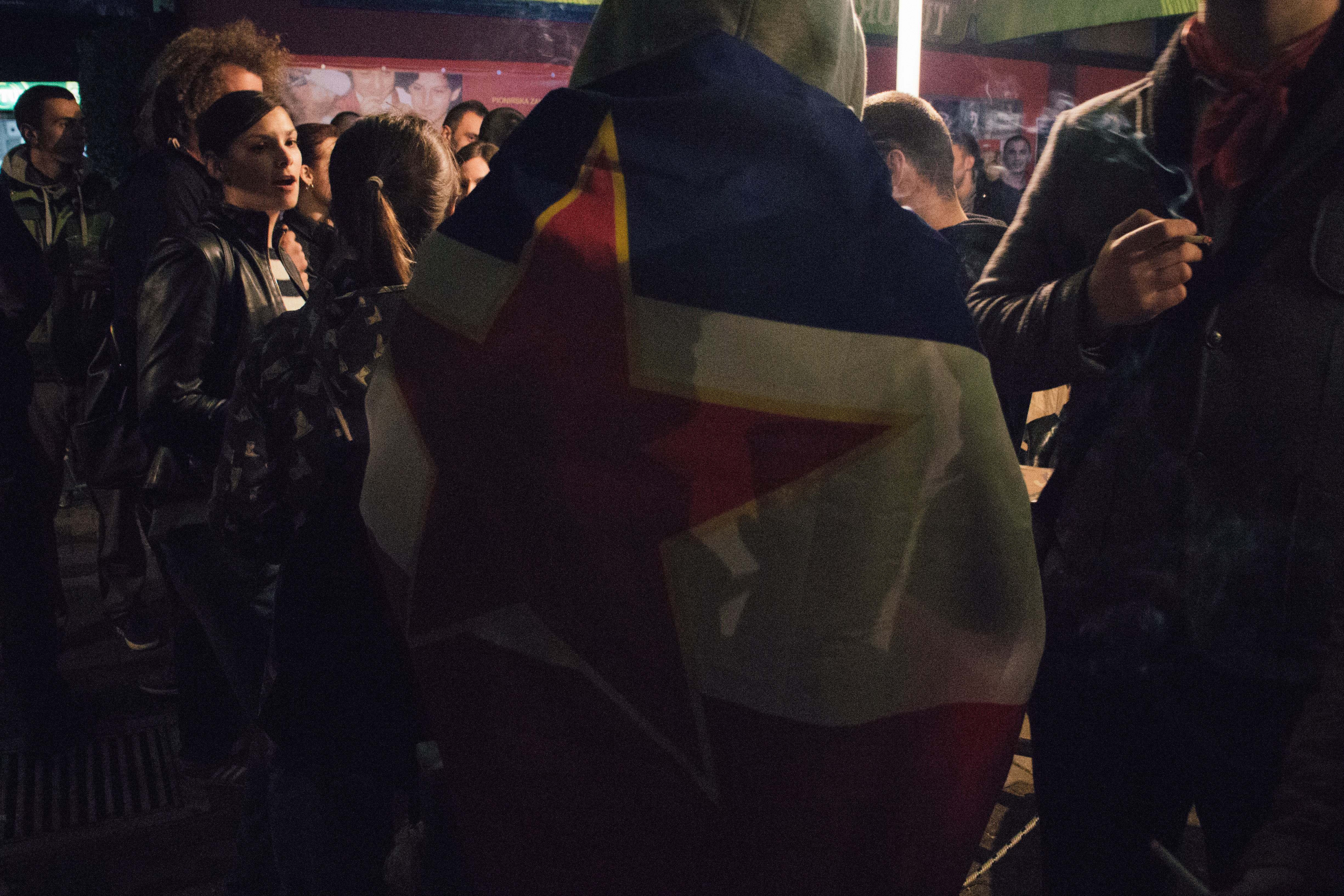
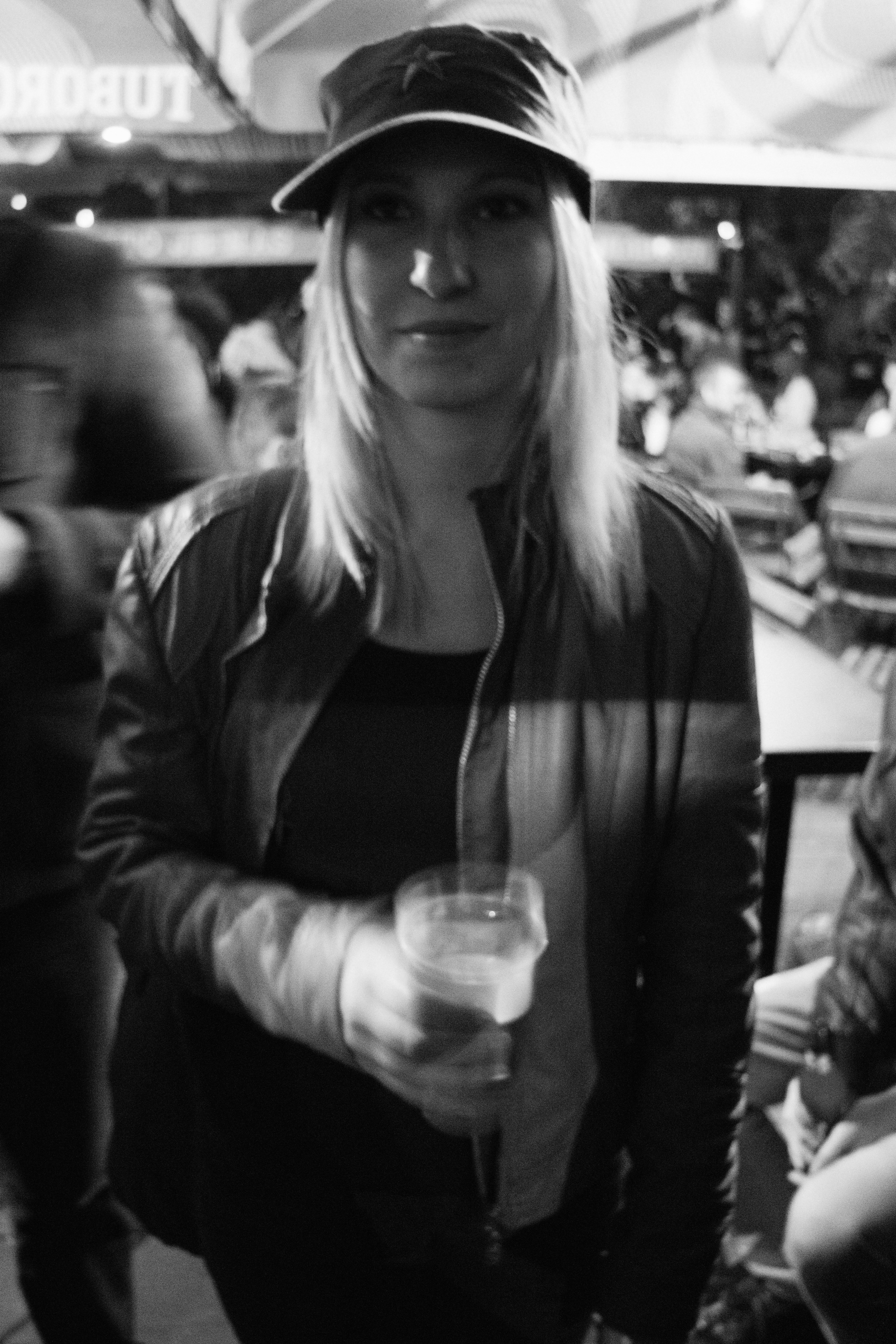
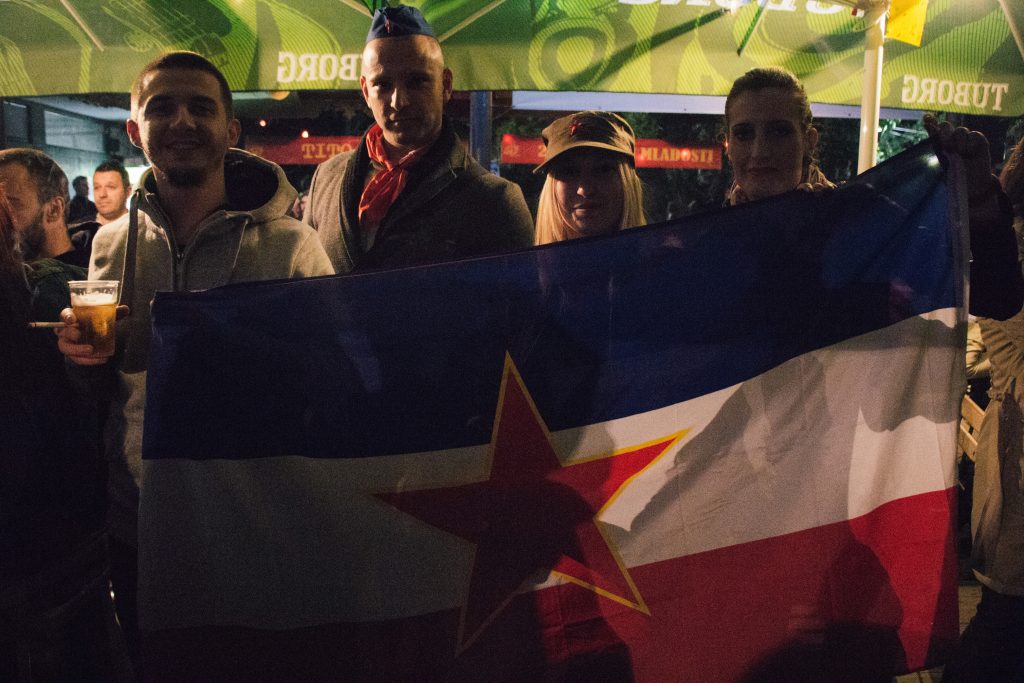
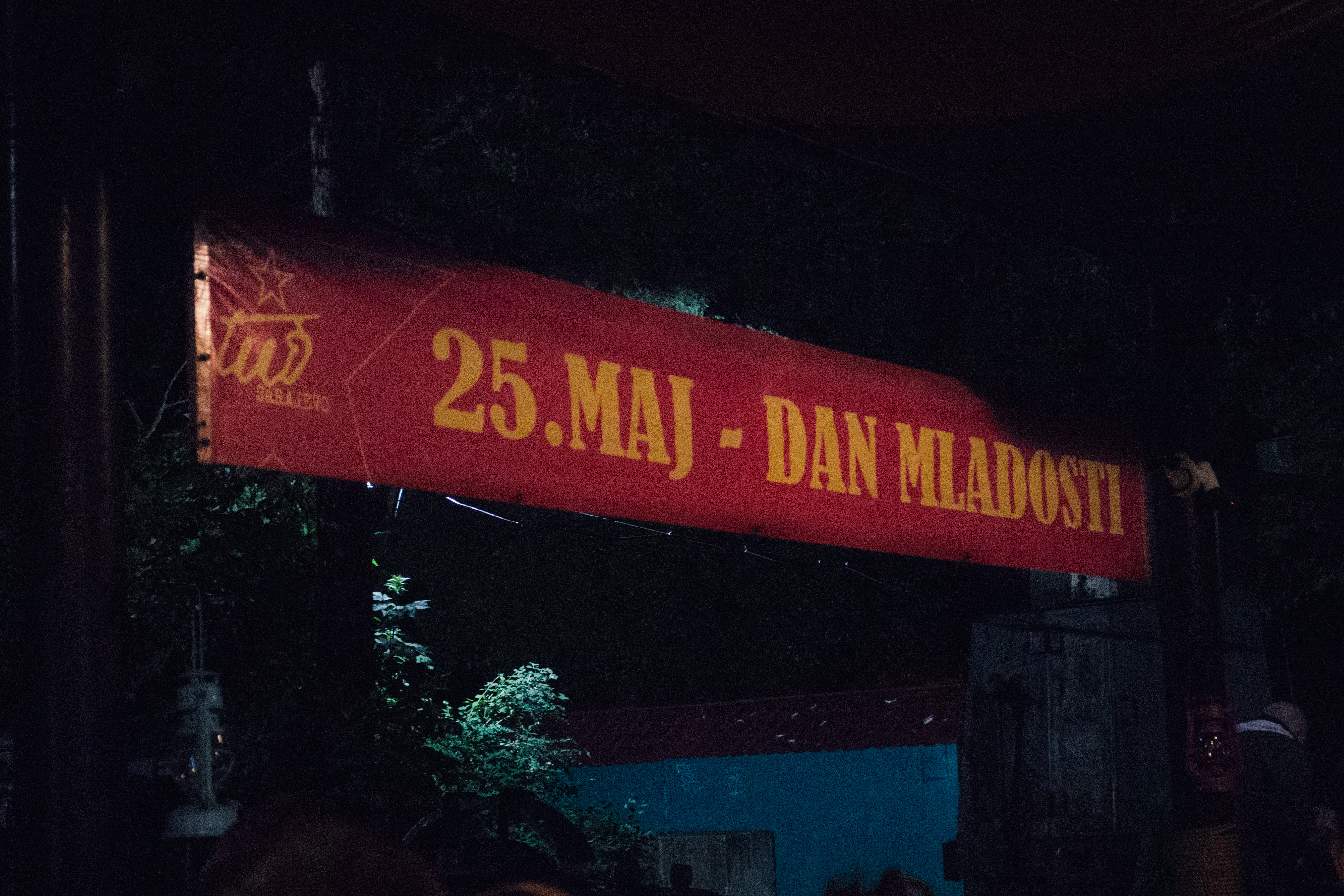
On 25 May 2015, Balkan Diskurs joined the Dan Mladosti (Youth Day) celebrations at Cafe Tito in Sarajevo. Clara Casagrande and Marion Pineau explore attendees’ impressions of the event.

For 43 years, the last being 1987, the annual event of Dan Mladosti commemorated Josip Broz Tito’s birthday. It would draw youngsters from each Yugoslav republic for a three week relay in which a stafeta, or ceremonial baton stuffed with birthday wishes for Tito, was carried across all of the Yugoslav republics on the way to its final destination in Belgrade. The event culminated in the Yugoslav People’s Army Stadium, where the final runner would present the baton to Tito. Yugoslavs actively participated in the ritual each year for 43 years, writing birthday messages, carrying the baton, or cheering the runners along their route to Belgrade.

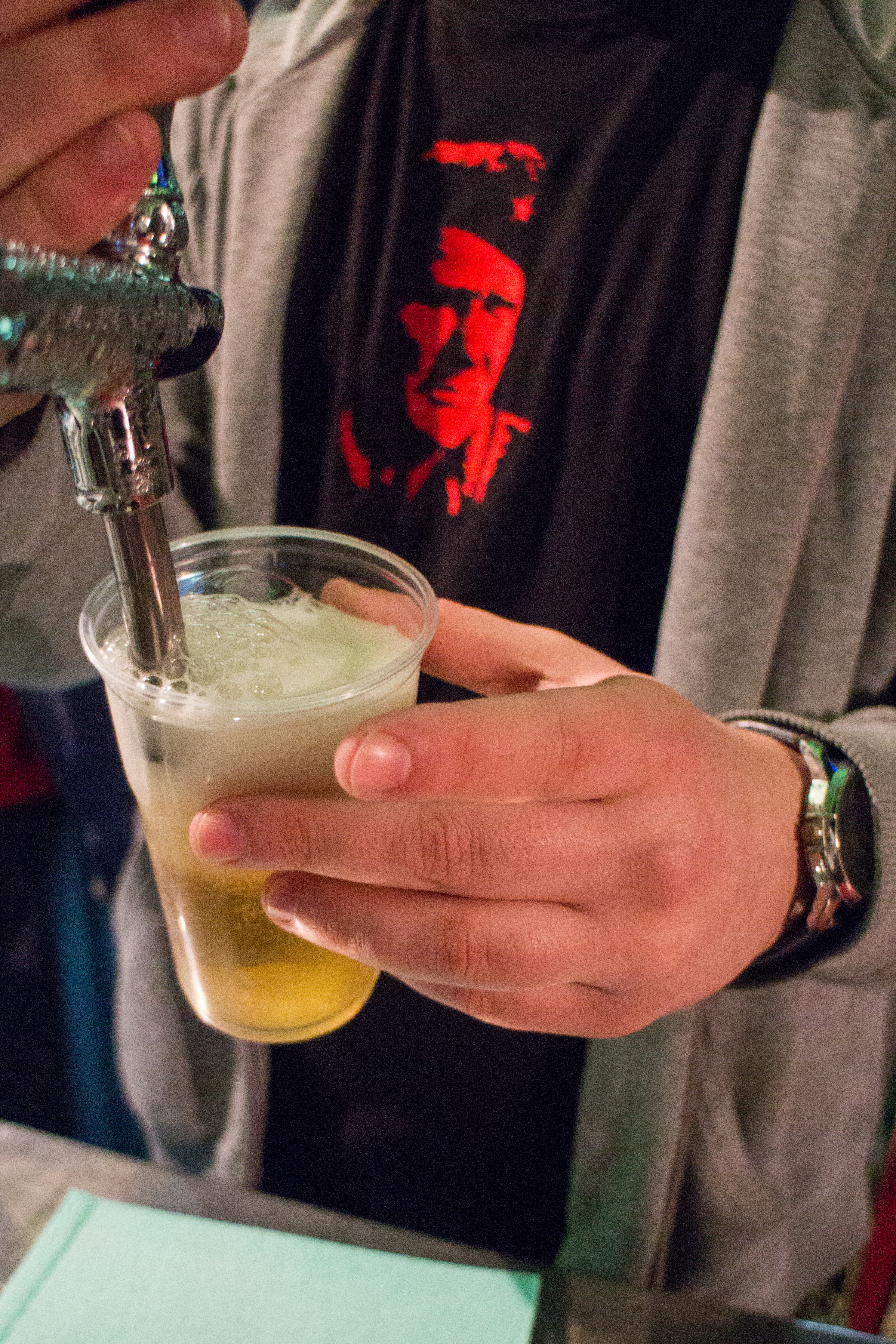
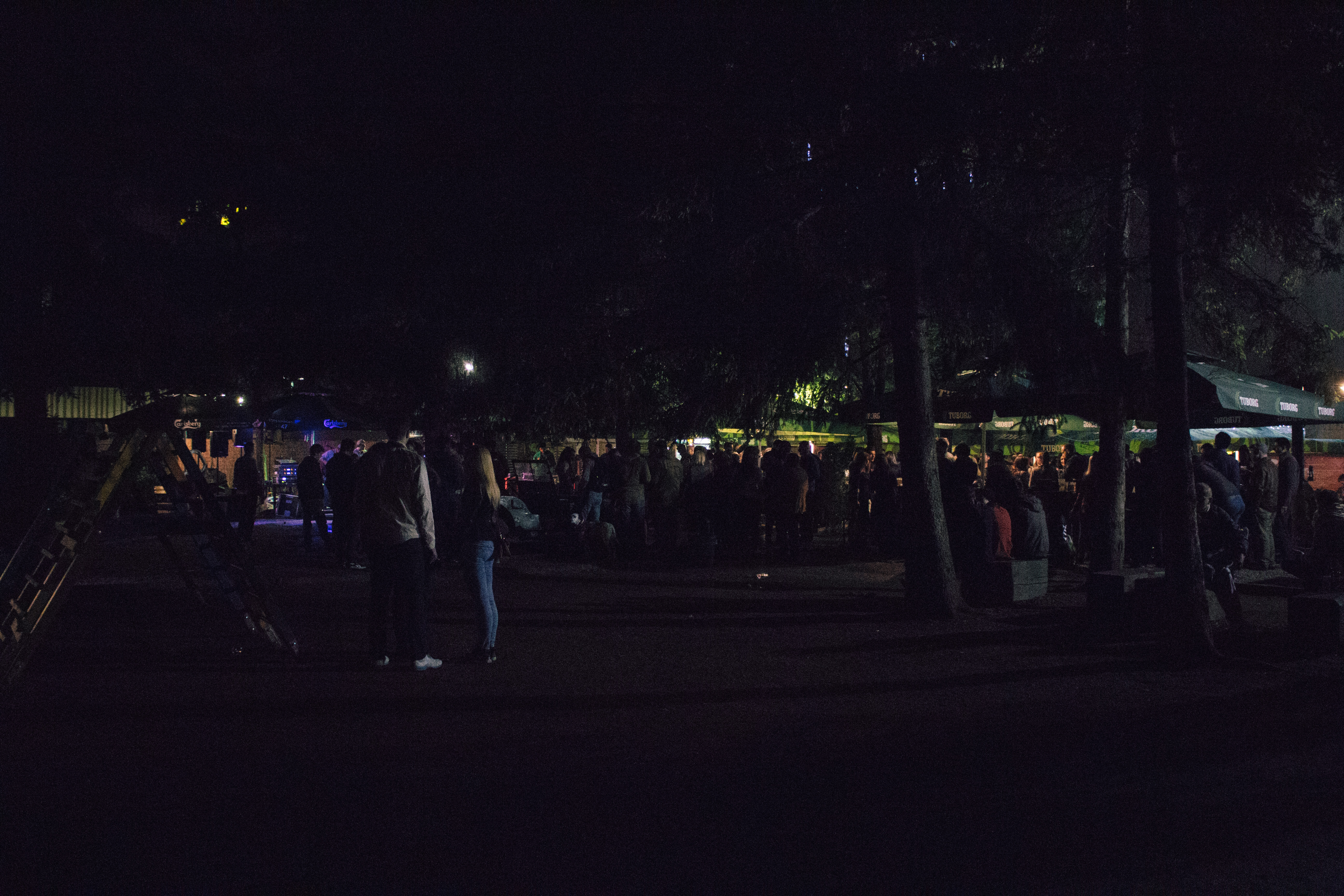
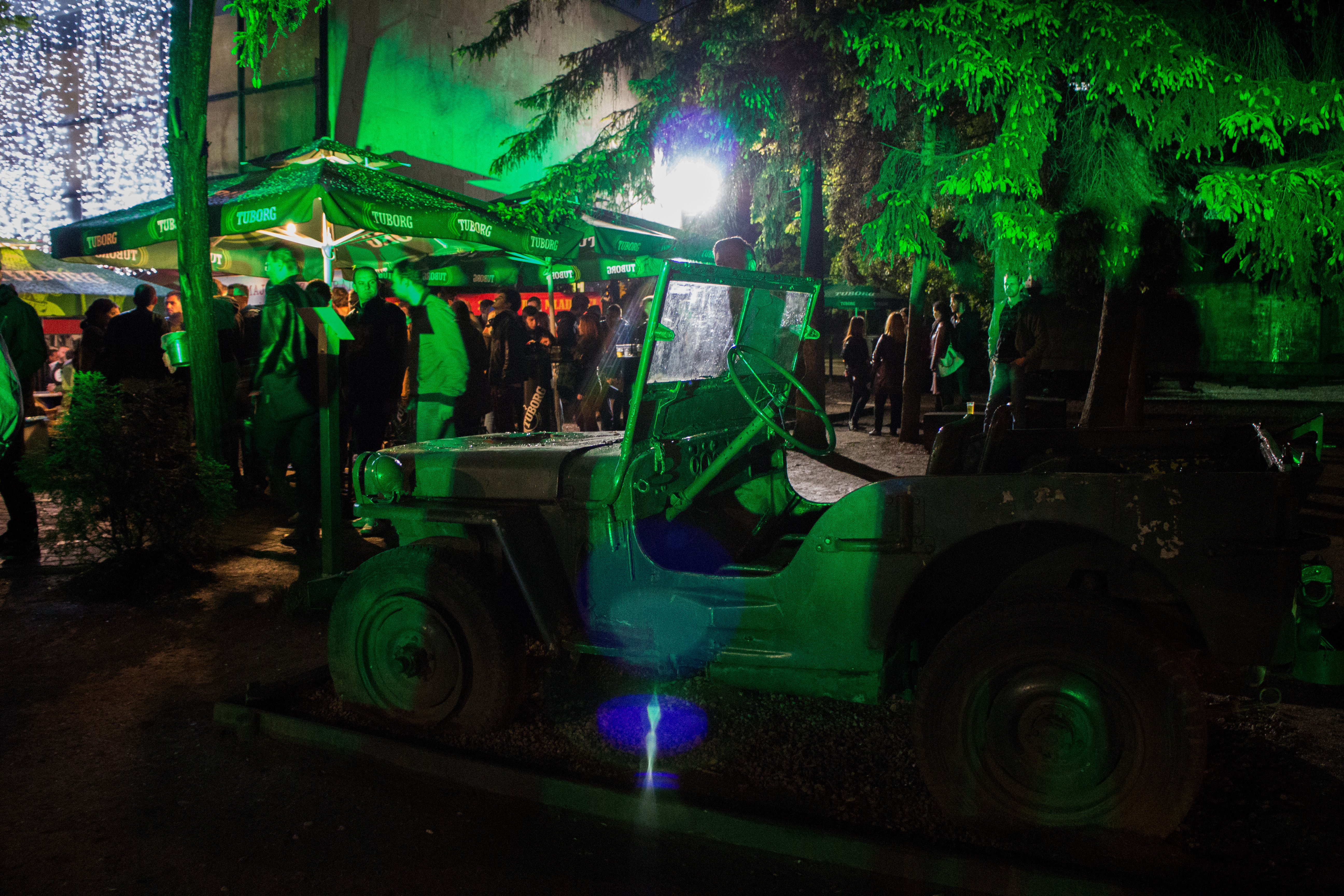
Today, 25 May still presents an opportunity for youth to celebrate around the region. In 2015 people gathered at Caffe Tito to listen to the Still Crazy concert and watch fireworks in honor of Comrade Tito, the much-loved leader of the former Yugoslavia.
75_a 75_b

“I’ve had this hat since I was a child, and I make sure to take special care of it.”
“I come here every year to celebrate.”

75_e 75_f

“Zivio Tito”
“Zivio Tito”

75_h

“I want to be a poor happy hippy in Brazil.”

75_j 75_k

“My hat is original because I was one of the last pioneers.”
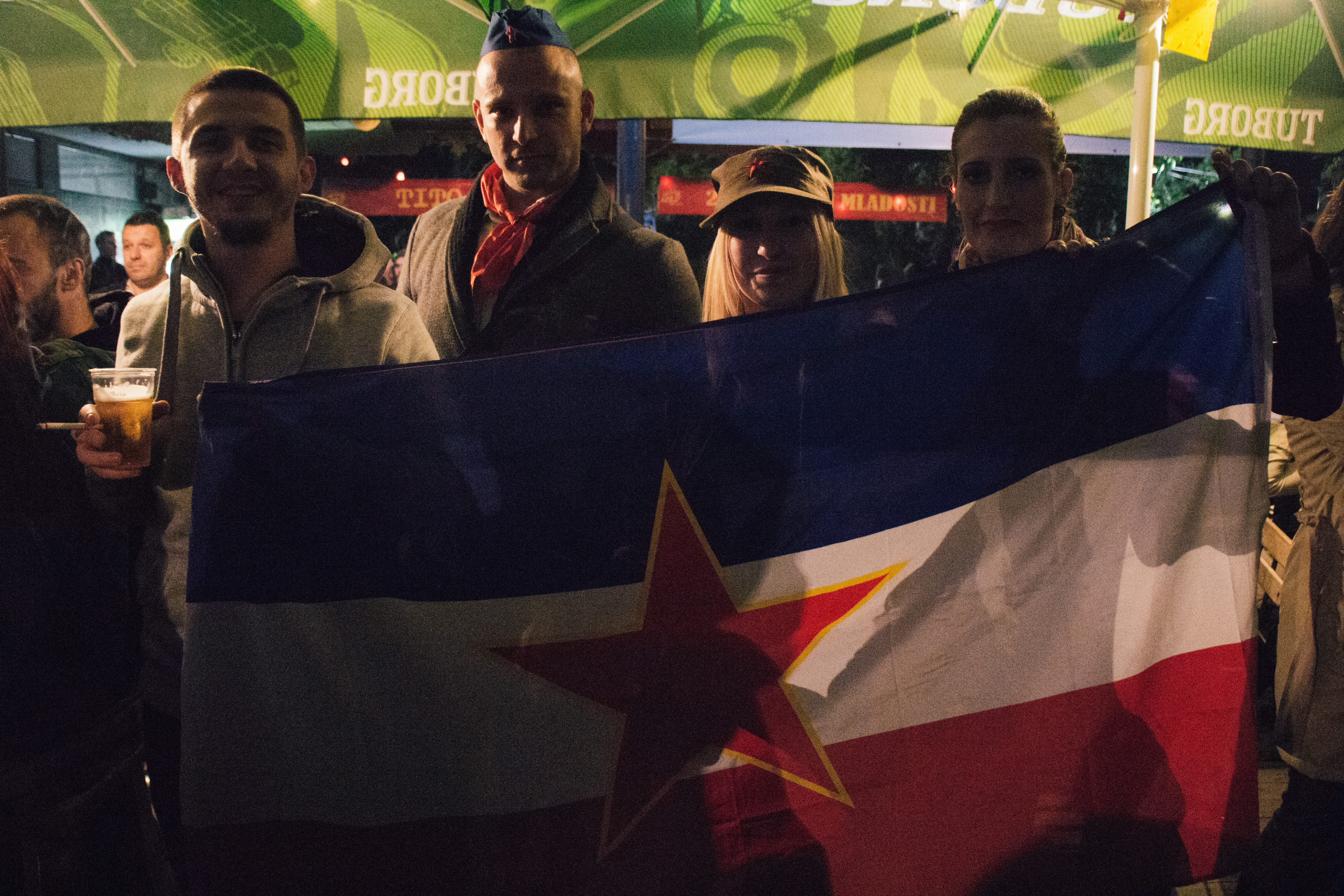
“I wear this flag because I’m waiting for the time when Yugoslavia will again be reunited.”
“Yugoslavia consisted of six republics, five nationalities, four languages, three religions, two autonomous regions and one party.”
“Her hat is not from Yugoslavia, it’s from China. But communism is communism.”

Clara Casagrande is a former intern at the Post-Conflict Research Center in Sarajevo. She holds a BA in International Relations and is currently pursuing an MA in Gender and Ethnicity Studies at University of Utrecht. She’s dedicating her free time to freelance photography.

Related posts

Educational Exclusion of BiH’s Most Vulnerable: An Introduction
In the aftermath of conflict, societies are faced with the challenge of rebuilding their education systems under the auspices of new political landscapes. Oftentimes, those that suffer most from these broken education systems are children, especially those physical, mental, or emotional disabilities.
The Architecture of Yugoslavia – Meeting of East and West
“The region of the former Yugoslavia (1945-1991) is where East and West, North and South meet, and where bloody, turbulent plots intertwine. But it is also a region rich in nature and the kindest people, and certainly not lacking in periods of prosperity.” This is how Tatjana Neidhardt, architect and daughter of the legendary architect Juraj Neidhardt, begins the story of the architecture of the former Yugoslavia.
Leave a Reply

Your email address will not be published. Required fields are marked *


Winner of the Intercultural Achievement Recognition Award by the Austrian Federal Ministry for Europe, Integration and Foreign Affairs

Post-Conflict Research Center
Join our mailing list