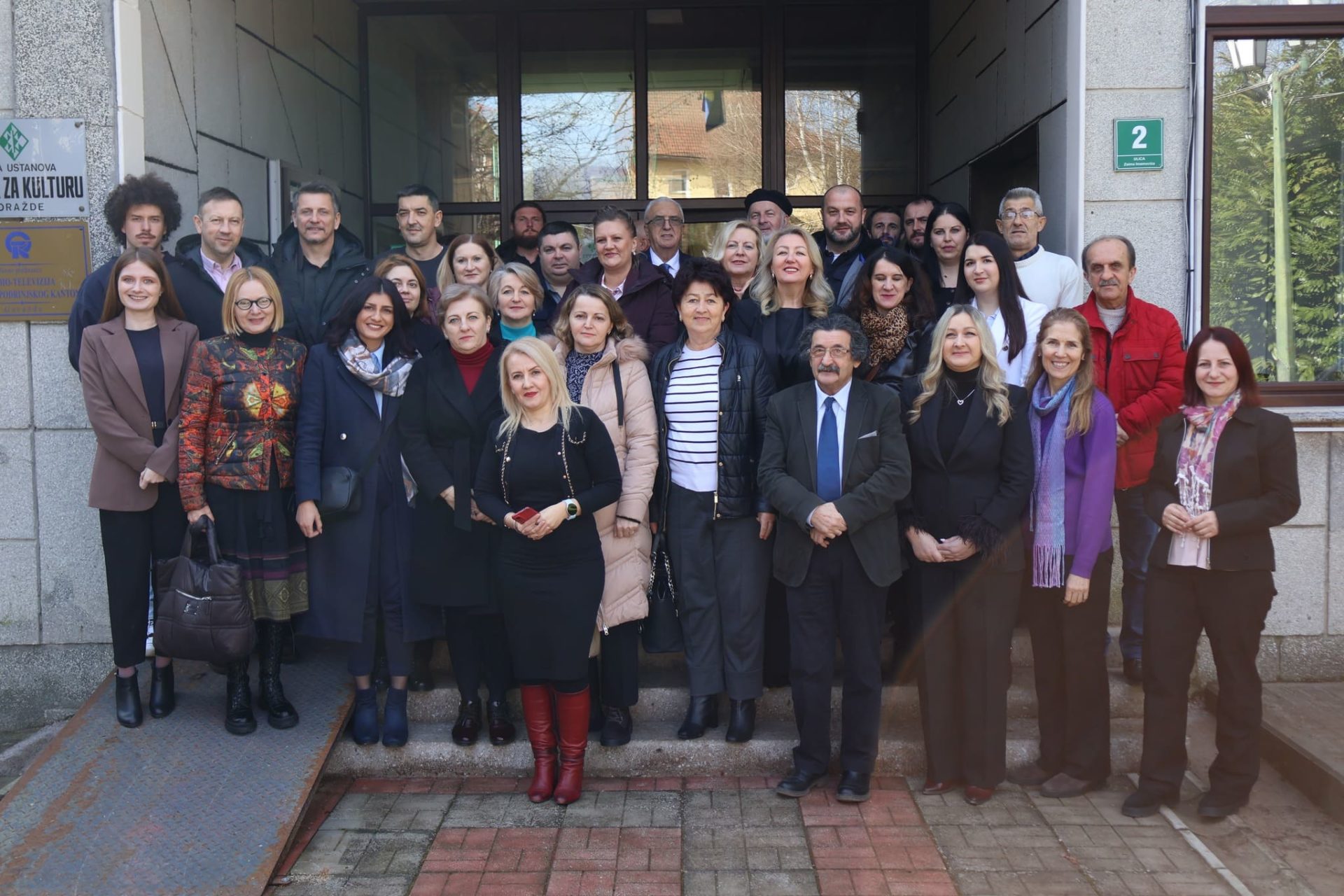
Marking the International Day of Commemoration in Memory of the Victims of the Holocaust, a training was held in Goražde for teachers and educators from the Bosnia-Podrinje Canton (BPC).
The training focused on methods for teaching about the past, memorialization, and respect for human rights, including breaking down stereotypes and prejudices. Additionally, the training highlighted insights from the manual Holocaust and Peace: Lessons from the Past for the Future.
Attended by 35 teachers and educators, the training was organized by the Post-Conflict Research Center (PCRC), the Educators’ Institute for Human Rights, Pro Peace Bosnia and Herzegovina, and the Jewish Community of Sarajevo in cooperation with the Ministry of Education, Youth, Science, Culture, and Sports of BPC Goražde.
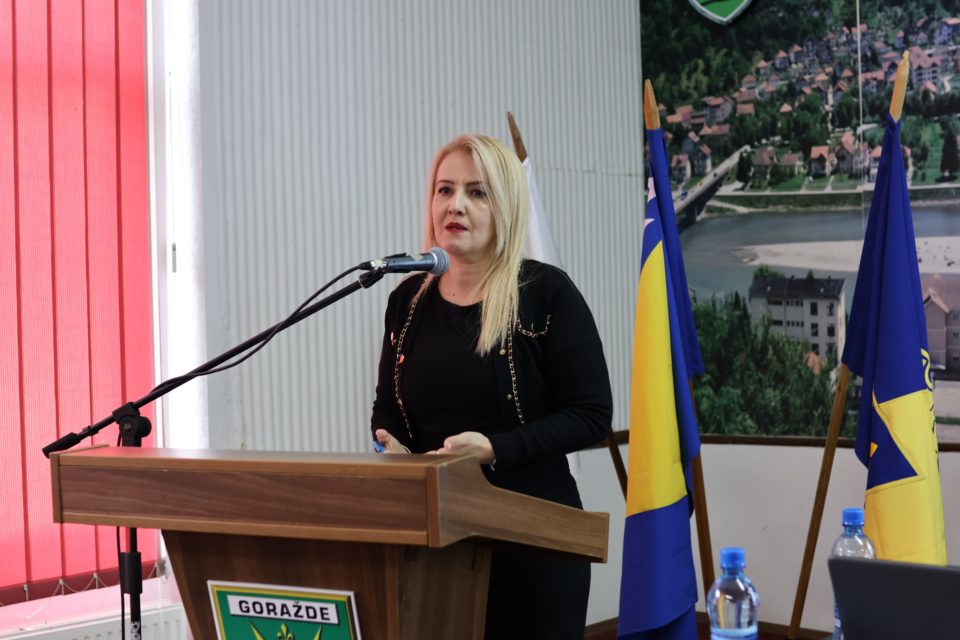
“Evil doesn’t begin with camps. Evil begins with words, labeling, exclusion, turning our heads. It begins when we stop seeing each other as people,” said Adisa Alikadić-Herić, Minister of Education, Youth, Science, Culture and Sports of the BPC Goražde.
“Schools are not just places where facts are learned. They are places where conscience is built. Because peace is not a state without war. Peace is a state in which human dignity is respected and it is understood as such. It is learned, built, and preserved,” she added.
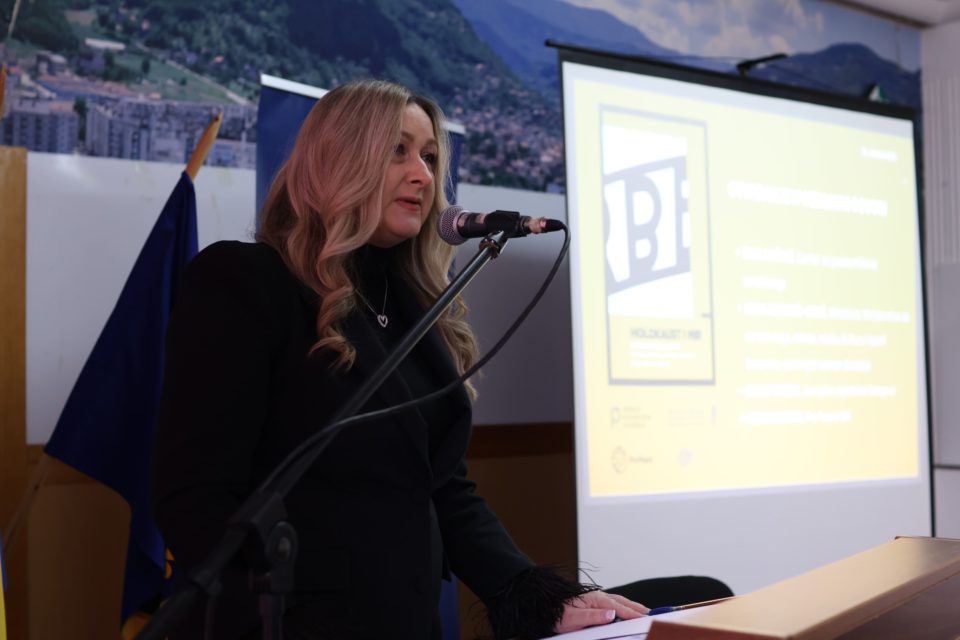
The Minister continued: “Memory is our responsibility. Truth is an obligation. Peace is a choice. Let’s remember. Let’s learn and never forget.”
Erna Mačkić from the Post-Conflict Research Center also spoke about the importance of learning about the past in schools.
“Learning about the past is necessary. We hope that this manual, as its name, Lessons from the Past for the Future, suggests, will be useful and will help you in your teaching and education so that we can preserve peace above all and build a society based on trust, tolerance, and respect for all,” said Mačkić.
Holocaust and Peace: Lessons from the Past for the Future was written by teachers, professors, and education professionals from across Bosnia and Herzegovina. It consists of four modules and 11 teaching units with clearly defined goals and methods for classroom instruction and workshops.
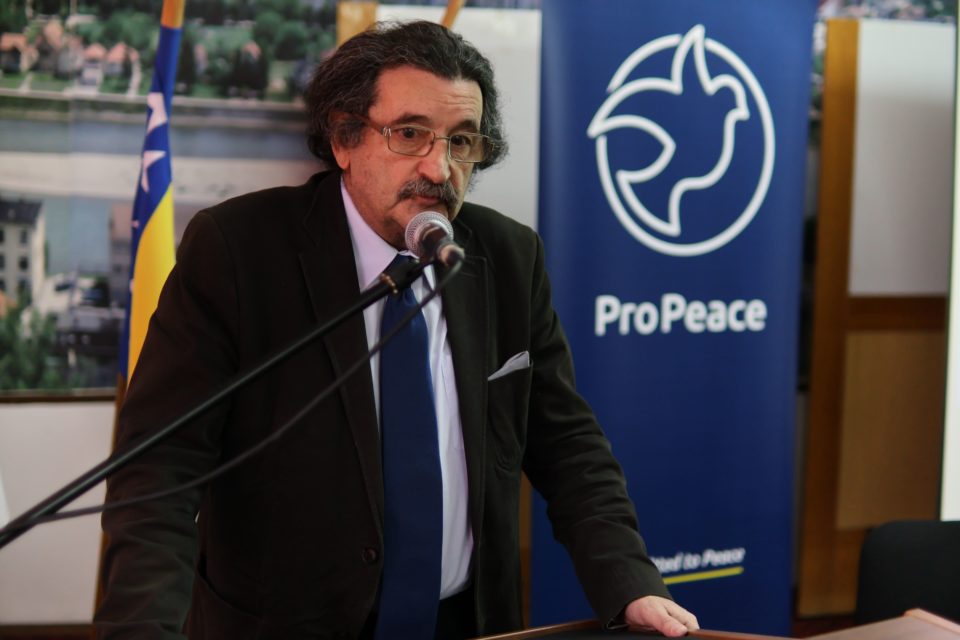
“This manual teaches us how to educate about the Holocaust. Of course, it is not an easy path. The Holocaust is not just about camps and yellow ribbons or other symbols. We forget many other things that are important – what we need to know to explain to children what actually happened, what the consequences were, and how people reacted,” said Eli Tauber, speaking on behalf of the Jewish Community of Sarajevo.
Meagan Smith, Project Manager of Pro Peace Bosnia and Herzegovina, emphasized her satisfaction with the commitment to quality education at the event as well as the willingness to offer young people the tools they need to think critically, deal with the past responsibly, and build a more peaceful future.
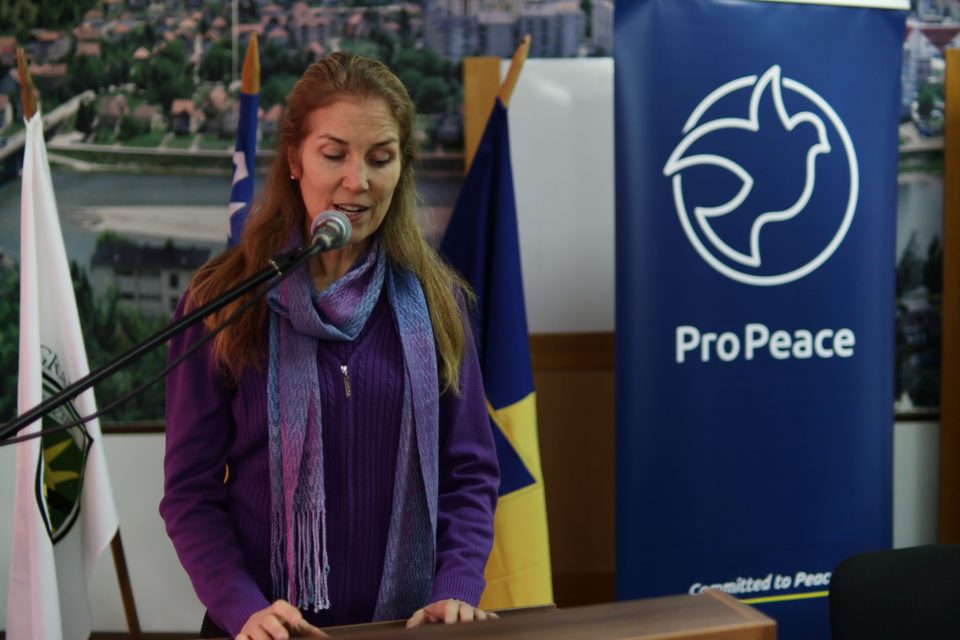
“Our goal is for young people to not only learn historical facts but also to develop empathy, understanding, and awareness of how important it is to oppose discrimination, prejudice, and violence in all forms,” explained Smith.
More than Images of Camps and Yellow Ribbons
Four interactive sessions were held during the training, the first of which, “The Holocaust in Bosnia and Herzegovina,” was led by Tauber. Tauber noted that he personally represents some of the people from Bosnia and Herzegovina who were imprisoned in the Auschwitz camp and who, by chance, survived.
“What we need to know is that before World War II, there were about 14,500 Jews in Bosnia and Herzegovina, and about 12,500 in Sarajevo itself. If we take into account that Sarajevo had about 60,000-65,000 inhabitants at the time, that represented at least 15 percent of the city’s total population. When we then look at how many died in the Holocaust and realize that it was about 70 percent, then it becomes clear how many people lost their lives,” said Tauber.
Two interactive sessions, “On the Margins” and “Heroes in Training,” were led by Đuldina Kurtović, who teaches Philosophy of Logic at Sarajevo’s Third High School, and Amina Sejfić, a project manager at the PCRC.
Sejfić described a PCRC project ”Ordinary Heroes” focusing on stories about ordinary heroes: people who saved their neighbors, friends, or acquaintances of a different ethnicities in times of conflict. She also spoke about the “On the Margins” project that aims to break down prejudices and stereotypes targeting the Roma people, who are the largest minority group in Bosnia and Herzegovina.
Kurtović, one of creators behind Holocaust and Peace manual, highlighted its impact on formal education, where it gives students the opportunity to objectively approach sensitive topics and think critically about them through classes and extracurricular activities.
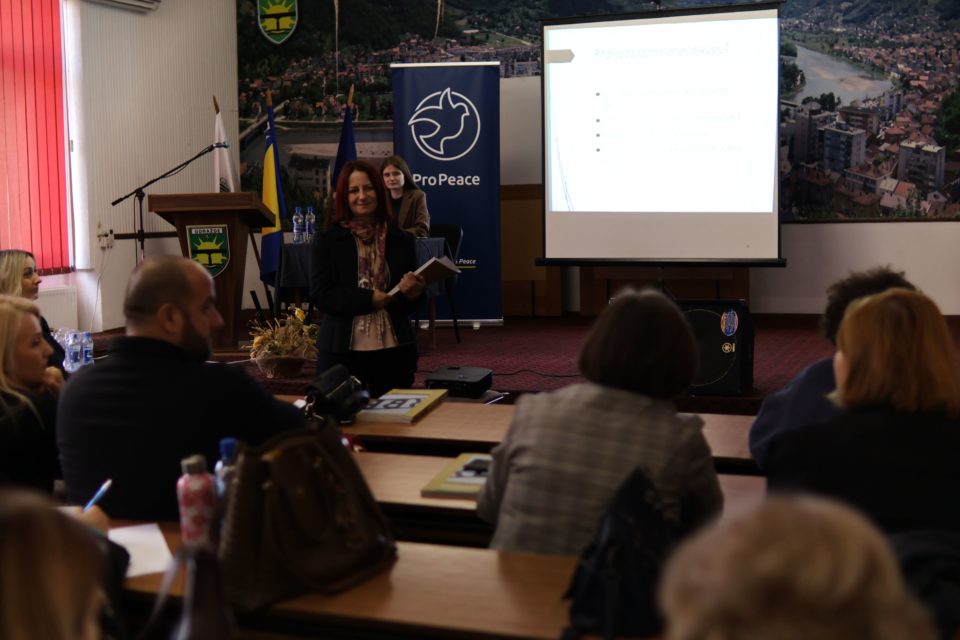
“The lessons are designed so that students are not just listeners but active participants through analysis and discussion, which encourages tolerance, respect for human rights, and peacebuilding in an multicultural society,” said Kurtović.
She added that the modules and lessons are applicable across multiple subjects and can also be used within project activities beyond formal education.
The fourth interactive session was “MONuMENTI – the Changing Face of Remembrance”, led by Azerina Muminović, a history professor and expert associate at the Institute for Development and Pre-university Education of the Sarajevo Canton. Muminović also spoke about the application of the manual, which has been an integral part of the curriculum in the Sarajevo Canton since 2023.
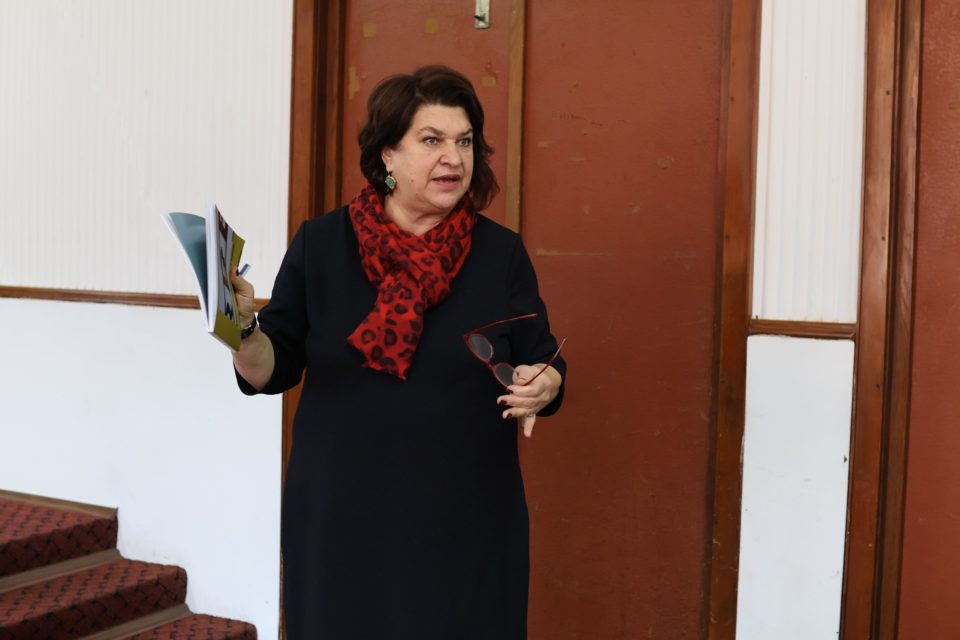
These materials, Muminović said, represent an important step in preserving the culture of remembrance in the educational system. They provide a standardized and alternative approach to learning about the Holocaust, the war in Bosnia and Herzegovina, monuments, memorialization, and the position of minority groups.
Teacher Education: A Foundation of Peace Building
Medina Halilović, a teacher at Fahrudin Fahro Baščelija Elementary School, spoke about the importance of training for teachers and educators, emphasizing the long-term impact on building cultures of peace and tolerance among young people in the Bosnia-Podrinje Canton of Goražde.
She said that this training provides teachers with knowledge and skills for recognizing and preventing violence, discrimination, and prejudice, as well as tools for promoting dialogue, mutual respect, and non-violent conflict resolution.
“As key figures in the educational process, teachers can positively influence the attitudes and behavior of young people through their approach and personal example, encouraging them to respect diversity and build a tolerant society based on peace and cooperation,” explained Halilović.
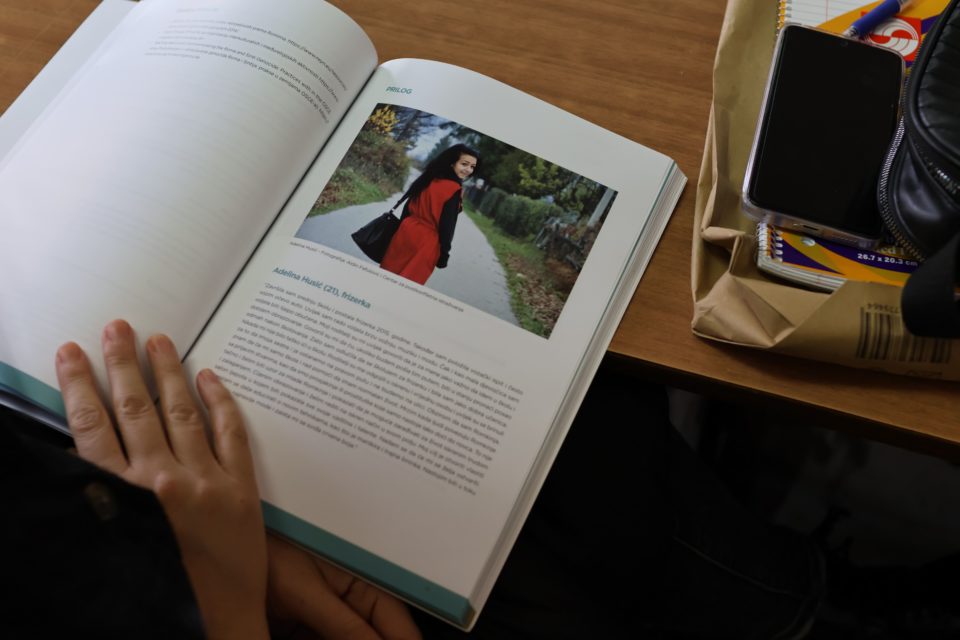
Zijada Peštek, a teacher at Mehmedalija Mak Dizdar Elementary School, agreed. She highlighted the efficacy of interactive and participatory approaches to teaching, such as source analysis, guided discussions, project-based learning, and connecting historical topics with current social issues. As she pointed out, activities that encourage students to think about the causes and consequences of conflicts, as well as the values of peace, solidarity, and responsibility, help them to perceive the past not as an abstraction but as an important lesson for building a culture of peace, responsibility, and mutual respect.
Holocaust and Peace: Lessons from the Past for the Future has been integrated into the education system of Sarajevo Canton since the 2023/2024 school year. It has facilitated instruction on the topics like the Holocaust, moral and civic behavior, peace, and human rights for around 400,000 elementary and secondary school students annually, as well as university students, through subjects such as history, civic education and democracy, and language and literature classes, as well as interactive workshops and discussions.
Following the trainings in Sarajevo and Goražde Canton, the manual will continue to be presented at trainings in other cantons as well as in the Republika Srpska entity and Brčko District.