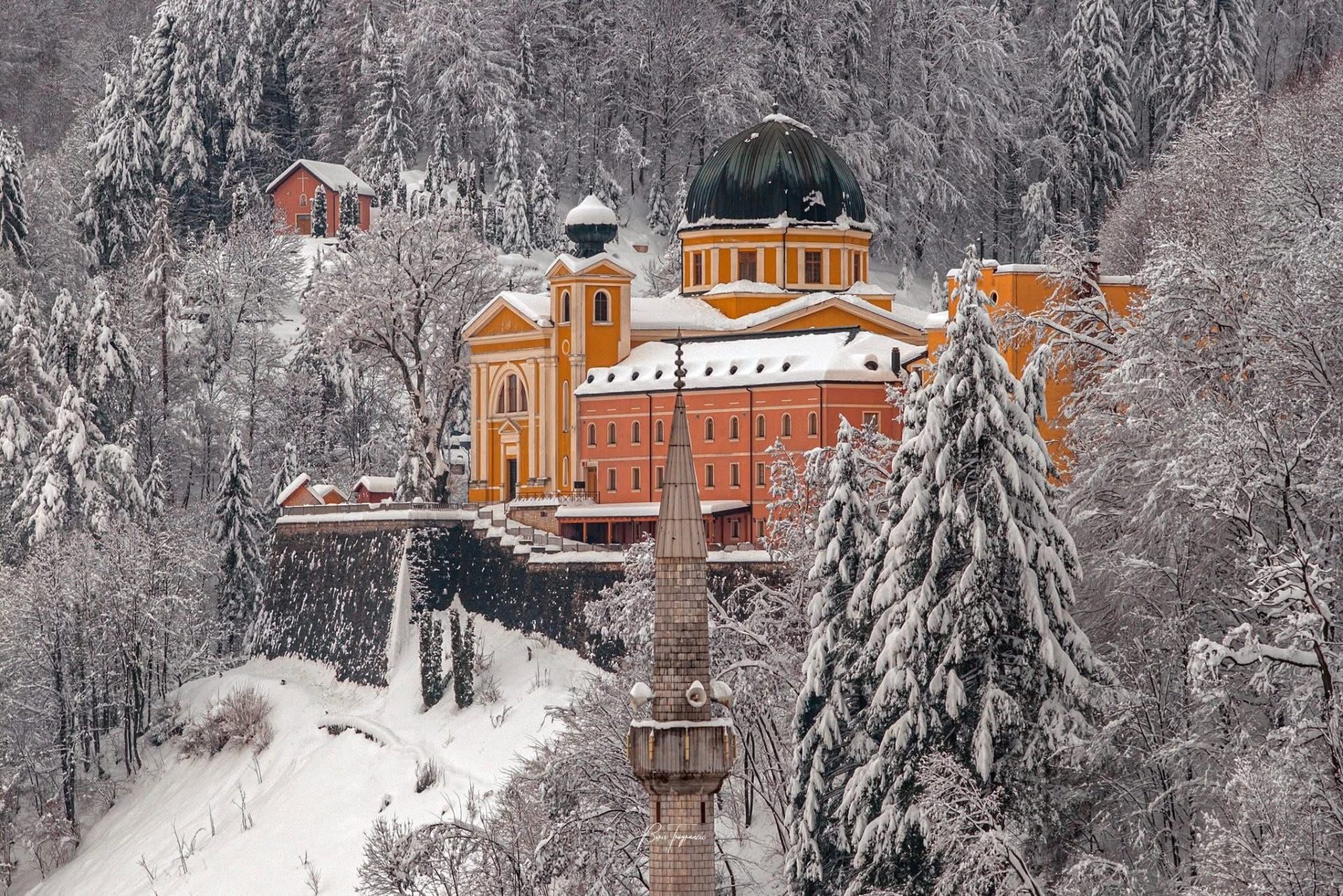
Located among the green slopes of central Bosnia, the city of Fojnica seems like a peaceful place where time passes more slowly.
Behind this peace hides a rich history, cultural diversity, and natural scenery that make this municipality unique. Fojnica is a spiritual, educational, and cultural city, and above all, a place of coexistence, peace, and mutual respect.
The Franciscan monastery and Atik Mosque are indispensable parts of Fojnica’s identity, alongside natural features such as Prokoško Lake, the Kozica waterfalls, Vranica Mountain, and the famous health resort. It has been described as a microcosm of Bosnia and Herzegovina that, with its unique literary tradition, has challenged moral and patriarchal norms. Today, it is an increasingly popular tourist destination with opportunities for mountain biking, sleeping in traditional katuns, long walks, and mountain horse encounters. The inhabitants of this area lovingly describe its every detail.
Historical Artifacts and Spirituality
The Franciscan monastery, which dates back to the 14th century, is one of the oldest preserved monasteries in Bosnia and Herzegovina. For centuries, it was an important spiritual, cultural, and educational center for the region.
The monastery played a key historical role during the Ottoman period. It was from Fojnica that Friar Anđeo Zvizdović set out to meet Mehmed el-Fatih in 1463, whereupon the Ahdname was issued. This document that ensured the survival of the country’s Catholic community and is still kept in the monastery museum as a valuable historical artifact to this day.
Today, the monastery preserves a rich cultural and artistic heritage, including artefacts from the Fojnica blacksmith school of the late 15th and early 16th century, artwork by Gabrijel Jurkić and sculptures by Vladimir Herljević, and a valuable numismatic collection and archival material from the Ottoman period. Of particular interest to visitors is an ornate Easter egg featuring a horseshoe, which testifies to the skill of the former Fojnica’s blacksmiths.
Apart from its historical and cultural value, the monastery continues to be a place of gathering and coexistence. It is open to visitors of all religions and nationalities, and especially welcomes children from different backgrounds. As Friar Mario Katušić points out, the Franciscans are deeply rooted in Fojnica and its people, and they perceive the monastery as a place of peace, togetherness. and mutual respect.
Not far from the monastery is the Atik Mosque, also known as the Maiden’s Mosque, which occupies a special place in the history and life of the Fojnica’s Muslim community. Built in 1551 at the direction of Mustafa Hidra, it became a symbol of survival, preservation of tradition and local cultural identity over the centuries. According to legend, the name Maiden’s Mosque comes from three girls who gave their dowry for restoration, and since then, during the holy month of Ramadan, women gather in the mosque to study the Qur’an, teach, and actively participate in the religious life of the community.
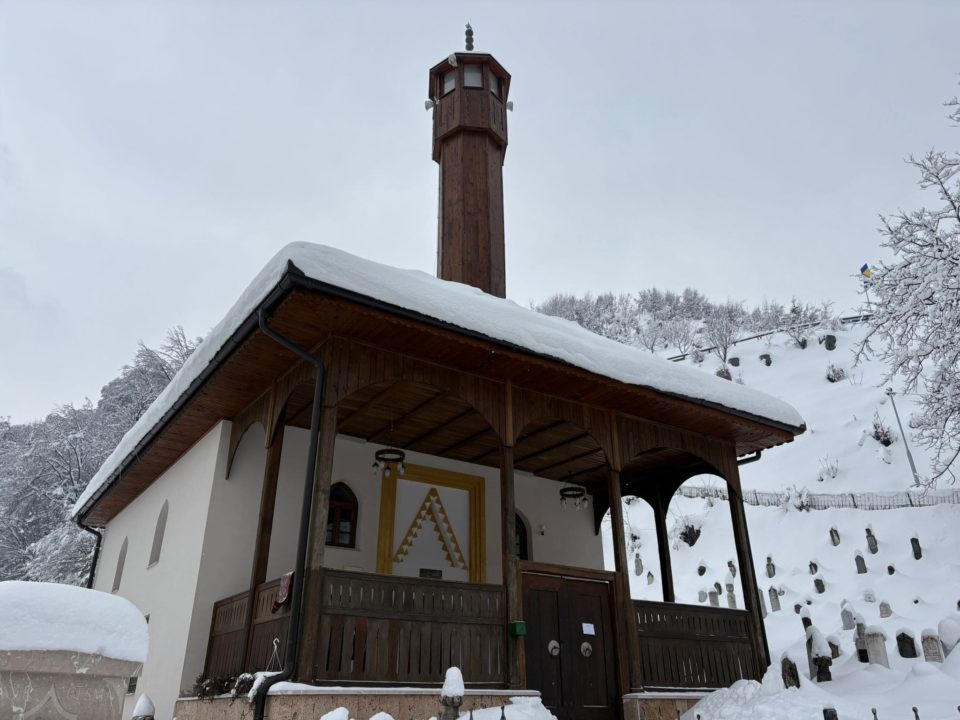
Efendi Ahmed Vuković, who has served as an imam at the mosque for 13 years, says that it was and remains a place of gathering, learning, and education. Here, generations have learned basic Islamic knowledge, prayers, and moral values, and the mekteb school has been the cornerstone of community life. The mosque was also a center for cultural gatherings, including traditional dervish performances. Inside, the original cannon is kept, which is used to mark iftar and symbolizes the community’s traditions.
The mosque has been renovated several times during its history. The most recent restoration, completed two years ago, lasted more than 15 years and was carried out according to the guidelines of the Commission for National Monuments. Today, Atik Mosque has been completely restored and is visited by about 1,500 tourists of different faiths annually, who recognize its cultural and spiritual value.
Efendi Vuković tells young people that institutions like the mosque provide a foundation for personal, spiritual, and character development as well as preparation for the early challenges of life and forming a family. Atik Mosque is not just a religious building but a symbol of identity, spirituality, and coexistence in Fojnica.
Nurturing the Body and Soul
Alongside its historical and religious sights, Fojnica also stands out as a health-tourism destination. The Reumal Spa and wellness center, with its thermal waters, attracts visitors from across Bosnia and Herzegovina and beyond.
Fojnica offers peace, fresh air, mountains, and forests that are ideal for the recovery of body and spirit. Its thermal waters are slightly mineral, hydrocarbonate-sulfate-calcium-sodium, with a temperature of 30°C, and help relieve rheumatic conditions and aid in the recovery of muscles and joints.
The spa combines traditional treatment methods and modern medical practices, offering hydrotherapy, electrotherapy, massages, kinesitherapy, Bobath and Schroth therapy, and functional magnetic stimulation. The complex has over 500 beds and various wellness facilities available to guests, including indoor pools, saunas, a jacuzzi, a Turkish bath, a fitness center, a beauty salon, and restaurants.
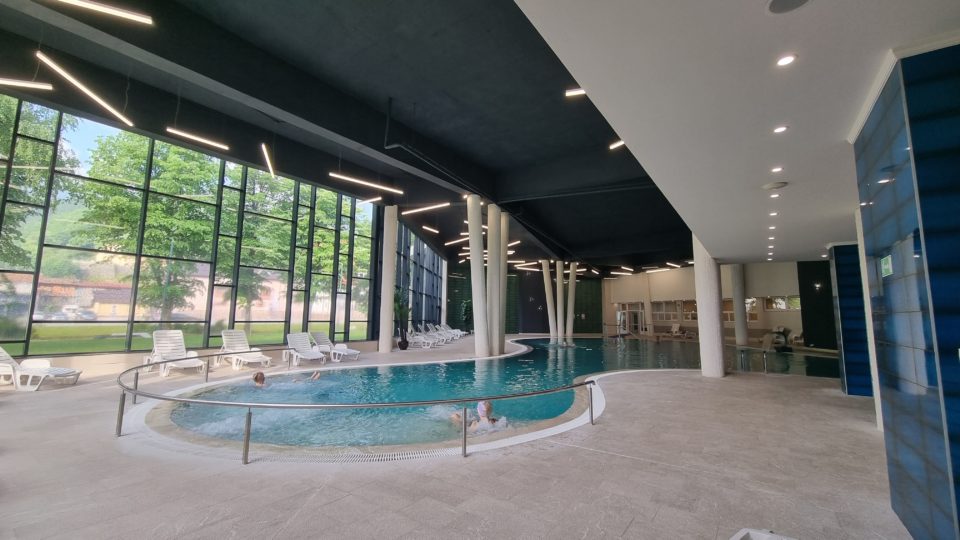
The history of spa treatment in Fojnica dates back to the Romans, with accommodation and therapeutic facilities appearing at the end of the 19th century. The modern Reumal Spa, constructed in 1979, established Fojnica as a recognizable health-tourism destination in Southeast Europe, combining nature, cultural heritage, and modern services.
Fojnica thus offers a complete experience: from historical monasteries and mosques, through cultural and artistic attractions, to thermal waters and wellness facilities. Visitors come to feel peace, restore their physical and spiritual health, and get to know the rich tradition of this region.
Untouched Nature and Traditional Katuns
Enes Kurta, a healthcare professional from Fojnica, has been hiking for over 20 years and is a member of the Vranica Mountaineering Association. He says his hometown is enriched by strong family and friendship bonds, as well as a special love for the natural surroundings. “Fojnica is my home, the place where I grew up and where I feel connected to every corner,” Kurta emphasizes.
He believes that natural sites such as Prokoško Lake, the Kozica waterfalls, and Vranica Mountain have enormous tourism potential. “These beauties already attract visitors, but they could be much better utilized in mountain tourism,” Kurta says, highlighting Vranica Mountain and Prokoško Lake, which is situated at 1,636 meters above sea level, surrounded by untouched nature and traditional mountain huts.
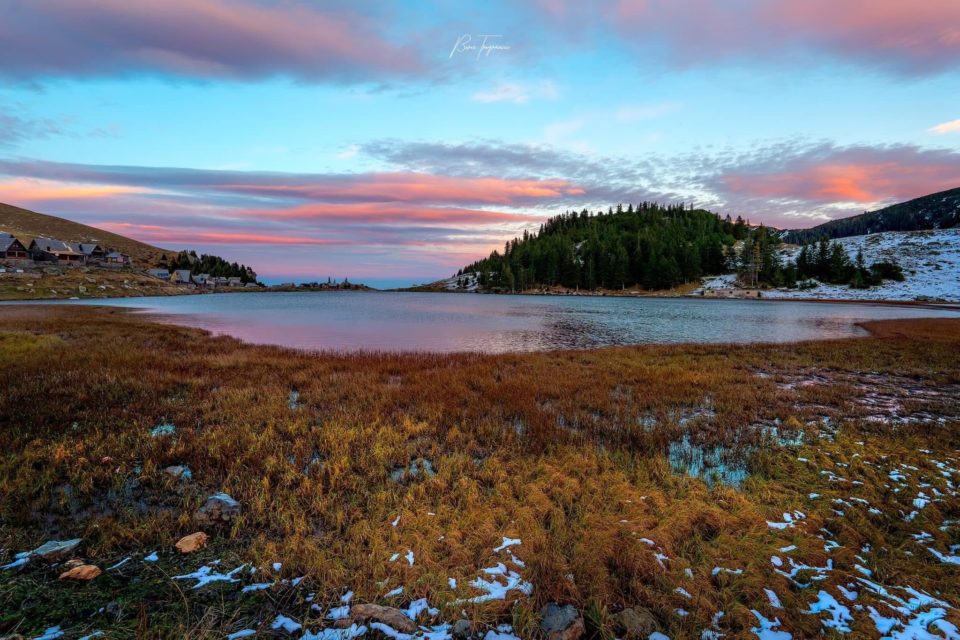
“This lake is a true treasure of Fojnica, with clean water, a peaceful environment, and a history of mountain life. It attracts visitors from all over Bosnia and Herzegovina, but it requires responsible management and preservation,” Kurta notes, warning that although Fojnica already has recognizable tourist attractions, its nature is not sufficiently protected, and legal regulations are often not enforced.
The biggest challenges for tourism development are the lack of infrastructure, poor organization, and insufficient local education. He rates the hiking trails on Vranica as satisfactory but notes the lack of mountain lodges as an obstacle. For visitors, he recommends the Prokoško Lake – Fratarske Staje route, with the possibility of multi-day stays and overnight accommodation on the mountain.
In addition to hiking, Fojnica also offers excellent conditions for mountain biking, with the Triton Mountain Biking Club actively promoting the sport. “All we need is better organization and synergy among everyone working in tourism. Only then can we preserve nature and make Fojnica a recognizable destination,” Kurta emphasizes.
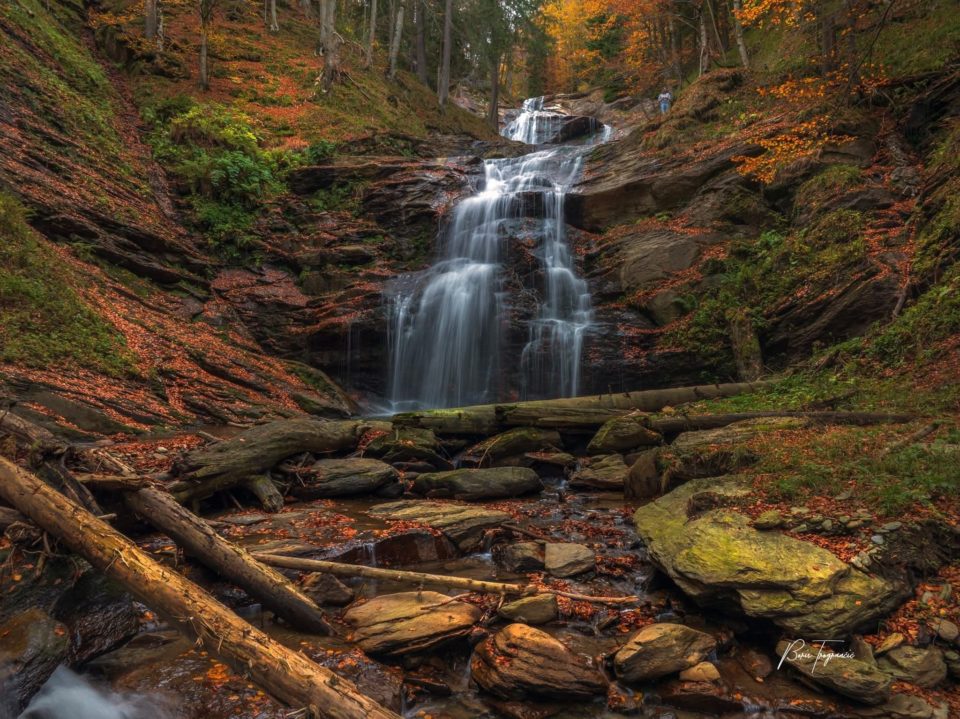
He also highlights the Kozica waterfalls, which are a lesser-known but equally fascinating natural attraction with an incredible atmosphere of tranquility—an ideal place for walking and relaxation. Near the waterfalls is Ergela, where visitors can learn about the tradition of horse breeding and hear stories about the region, Kurta adds, noting that Lamija Džigal-Bektešević, the guide and storyteller, enriches the visit to the stud farm with her tales.
Džigal-Bektešević, a Fojnica native, turned her love for horses and nature into a unique stud farm in the heart of this region. After almost three decades in the Netherlands, where she was educated and raised her children, Lamija returned to Fojnica in 2021 with the aim of renewing her connection with nature and tradition.
“As a child I loved animals, and in the Netherlands, I encountered big English horses for the first time. A mare then helped me overcome the sadness of leaving my family behind, and that experience was therapeutic,” recalls Lamija. After returning to Fojnica, her passion for horses evolved into the stud farm, first with a few horses of her own, and later with the aim of preserving Bosnian mountain horses.
“I started with three mares and one stallion, and everything developed naturally, without excessive planning. We focus on preserving the breed and its character,” added Lamija.
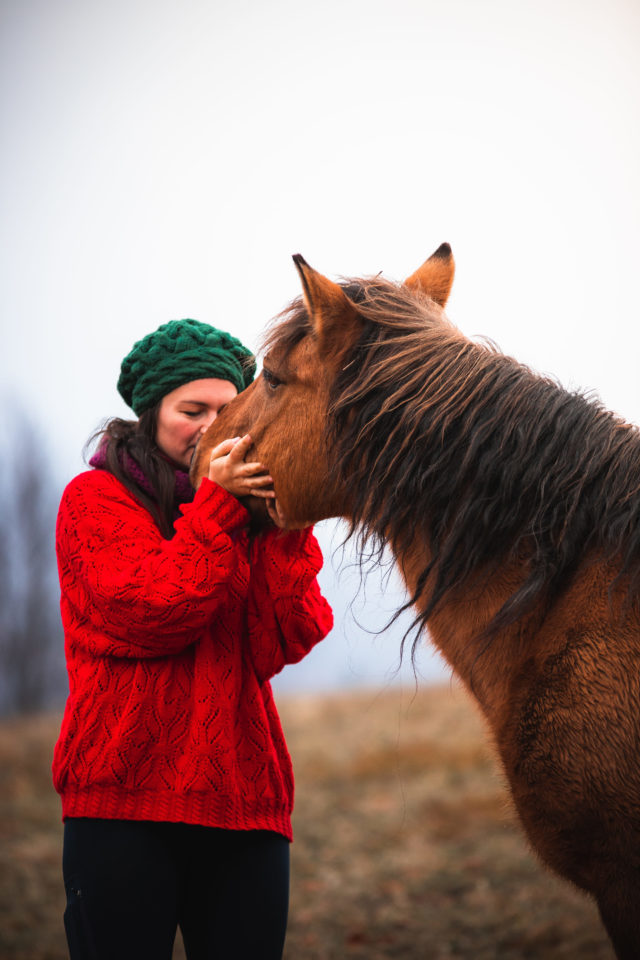
Its biggest challenge is infrastructure and grazing: the lack of pasture and misperceptions among the local community. However, the goal is to expand the stud farm to ten head and continue work on therapeutic horses.
“My advice to young people is to do what fulfills them spiritually, to create and take care of tradition, not only for money, but for the meaning and love of what they do,” she said.
Modest in Scope, Deep in Meaning
In addition to natural beauty, religious heritage, and rich tradition, Fojnica also possesses an exceptionally strong literary identity. This literary dimension of Fojnica’s character, while less visible, is embodied in the works of Zija Dizdarević, a writer whose work cannot be separated from the space from which it originated.
In Dizdarević’s literature, Fojnica does not exist only as a plot setting, but as a deeply symbolic space in which human destinies are shaped. It is a town with its own rules, silences, and unspoken tensions, where individual drama turns into a universal story about mankind. As Professor Pobrić observes, almost the entire narrative world of Dizdarević is tied to the Fojnica of old time, which gives this space exceptional literary and cultural weight.
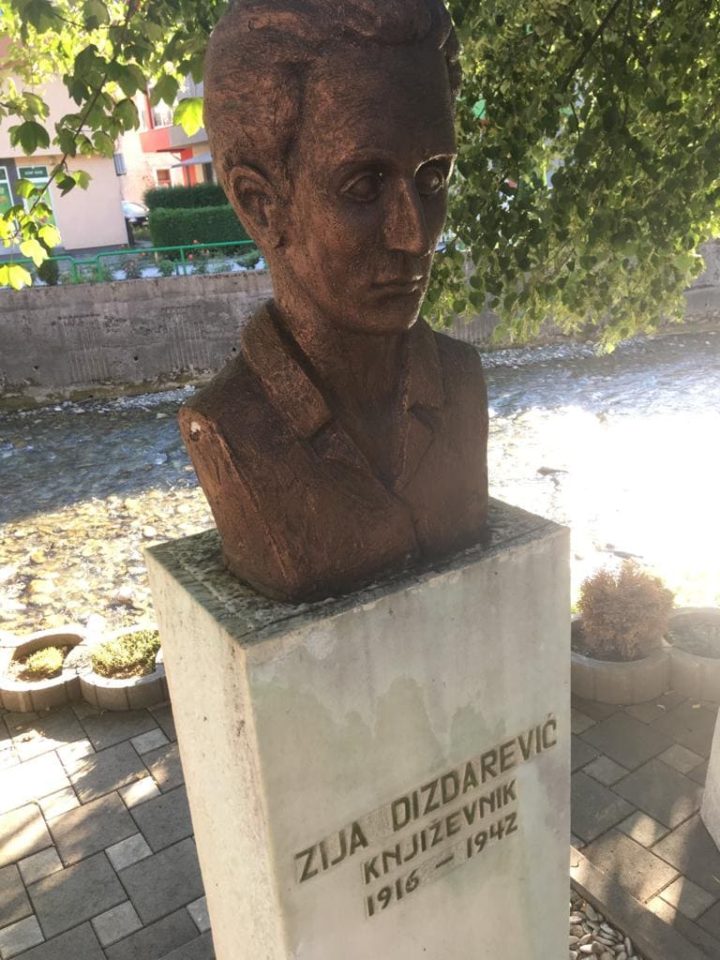
In his works, Fojnica functions as a microcosm of Bosnian and Herzegovinian society, in which social differences, moral breakdowns, and the harsh rules of the patriarchal environment are clearly outlined. It is precisely in this limited space that Dizdarević finds the power of the short story, a genre in which, as Pobrić emphasizes, every word must carry meaning. Dizdarević uses vernacular language not for the sake of folklore but of authenticity, making the characters convincing and personal. Female characters have a special role in the literary Fojnica. Through stories such as Majka and Otmica, Dizdarević strongly and emotionally questions the position of women in the patriarchal town, opening up space for criticism of social norms that limit freedom and identity.
Thanks to the enduring relevance of his themes and the continuity of the annual Zija Dizdarević gathering, Fojnica is today not only a place of literary memory, but a living cultural space. In Dizdarević’s stories, it remains a symbol of the Bosnian and Herzegovinian experience, modest in scope but profound in meaning.