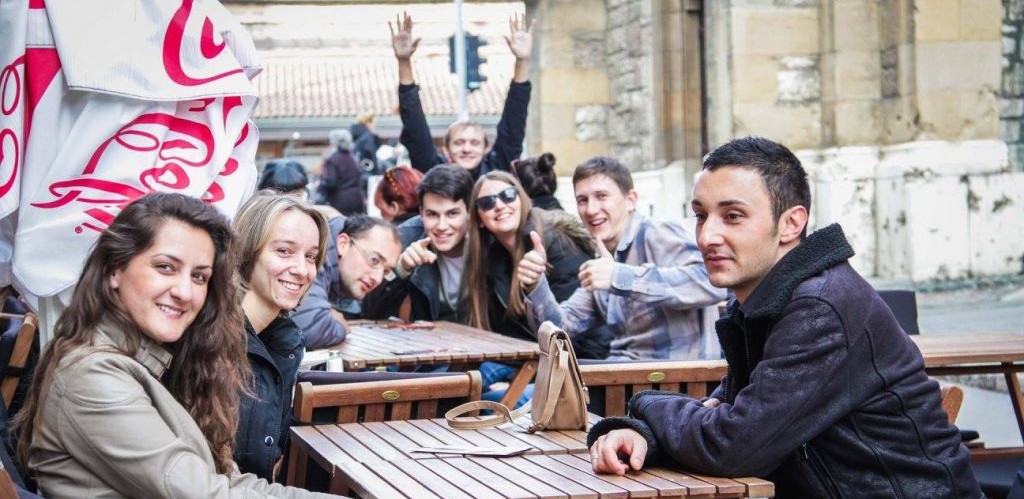
While regional politicians are increasingly embracing nationalist rhetoric and deepening divisions, young people from Croatia, Bosnia and Herzegovina, and Serbia are takin a different approach – one based on daily collaboration, solidarity, and learning.
For them, regional cooperation is not a political slogan but a real experience gained through non-formal education, training, and civil society initiatives.
Collaboration takes place outside the formal education system through workshops in Sarajevo, study trips in Zagreb, and joint projects in Belgrade. In these spaces, young people discuss responsibility, the culture of memory, and the legacy of the wars of the 1990s, developing critical thinking skills and asking questions that often remain unspoken in formal institutions.
Non-Formal Education: A Space of Freedom and Solidarity
Unlike formal education, which is often burdened by nationalist narratives and selective interpretations of the past, informal education provides space for critical reflection and open dialogue. Regional training, youth exchanges, and civil society workshops help young people understand the complexity of the past and the importance of cooperation in the present.
Vid Radičević is a 22-year-old from Zemun, Serbia. For him, regional cooperation is an opportunity to encounter new people, attitudes, places, and customs, and to “understand everyone without any need for translation – however these languages are classified in books.”
“It’s important to understand and get to know realities other than our own so that we can better understand where we are, what we would like our environment to look like, and what we can do in our own community to make it is more open, or more focused on what we want to learn from it,” said Radičević.

Civil society organizations have been bringing young people together around the topics of transitional justice, human rights, and regional solidarity for almost three decades. Study trips, visits to places of suffering, and public discussions show that facing the past is not betrayal of one’s own country but an act of social responsibility.
At the training sessions, young people often hear the perspectives of those “from the other side” for the first time. This is often their first chance to talk without dominating political rhetoric, and many are struck by how similar their experiences are, given the exclusive political environment faced by young people in Zagreb, Sarajevo, and Belgrade.
Regional Cooperation as Empowerment
Amid the frequent political tensions between Croatia, Bosnia and Herzegovina, and Serbia, regional youth cooperation also acts as a form of civil resistance. Young people refuse to accept the logic of collective guilt and permanent intolerance, instead choosing solidarity.
Enis Mlivić, a 24-year-old from Breza, Bosnia and Herzegovina, said that regional cooperation is invigorating because it breaks through the feeling of isolation.
“When you know that there are people in Belgrade, Zagreb, Podgorica, or Pristina who are fighting for similar values in the field of human rights, responsibility, and cultures of remembrance, you realize that you aren’t alone. This gives legitimacy and strength. It connects resources, knowledge, and experiences, but more importantly, it connects people,” explained Mlivić.
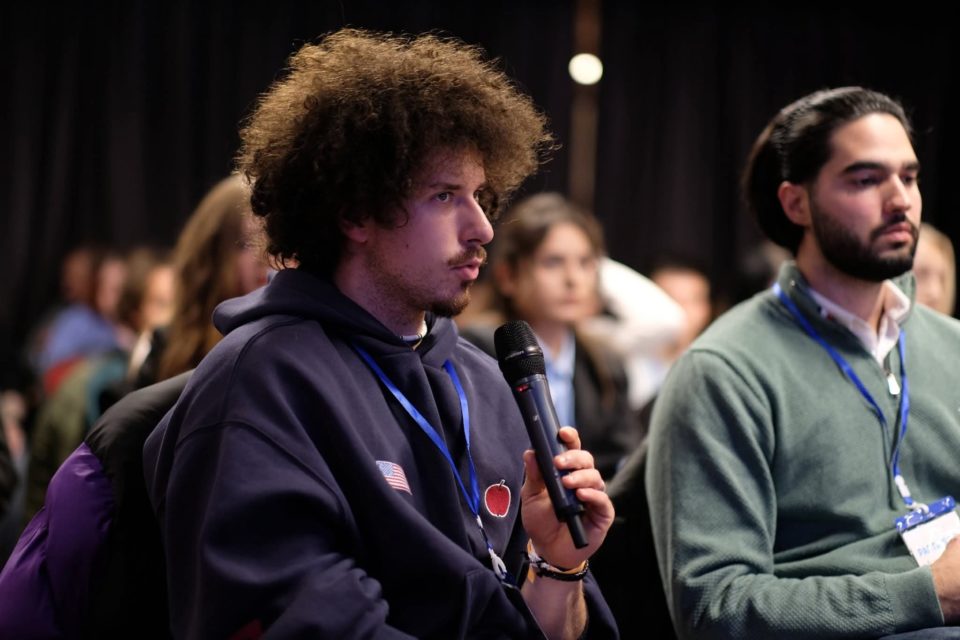
The solidarity of young people in the region is evident in joint campaigns against hate speech, support for activists and protests, performances, and other activities, as well as in simple gestures like attending commemorations in neighboring countries.
Dealing with the Past Together
Without building space for dialogue and mutual understanding, regional cooperation is unsustainable. That’s the lesson young activists are learning. The denial of war crimes, relativization of judicial verdicts, and political instrumentalization of war trauma deepen mistrust and close the space for dialogue.
That is why regional initiatives that connect young people are extremely important. They create networks of trust that transcend borders and day-to-day politics. When young people analyze the judgments of international courts together, visit places of suffering, or work on joint research, they build a culture of responsibility that is a prerequisite for lasting peace.
Tena Vizinger, a 21-year-old from Zagreb, believes that regional cooperation in dealing with the past is crucial for the future. She clarifies that she is mainly referring to European Union accession and overcoming mutual barriers in this process.
“I think that dealing with the past together is possible, and that it can be facilitated through structural changes, for example, in education. Croatia and other countries have really high-quality and competent teachers who promote the idea of mutual dialogue, and I hope that, in the long term, this will result in concrete cooperation between countries in dealing with the past,” Vizinger said.
Despite challenges ranging from limited civil society resources to political pressure, regional youth activism continues to grow. Young people work together in trainings, workshops, and joint projects, showing that initiative and solidarity can overcome institutional obstacles. Although they did not choose the wars of the 1990s, they are aware that the legacy of conflict continues to shape social relations.
Through these initiatives, young people show that cooperation is not just an ideal but a practical reality. Joint training, visits to places of suffering, and civil society projects help to overcome stereotypes, open space for dialogue, and lay the foundations for concrete collective action. They confirm that the future of the region can be defined not by divisions but by collaboration and joint effort.