Clara Casagrande explores the Sunday flea market in Stup, reflecting on the social and cultural paradoxes found in Bosnia-Herzegovina.
Bosnia-Herzegovina has undergone significant change since independence and the end of the Bosnian war. The society, however, is still in transition and is struggling to find its place in the world. Sunday’s Flea Market in Stup, a neighborhood on the outskirts of Sarajevo, is a perfect representation of current society and symbolizes the essence of Bosnian culture
The market map summarizes the divisions and inequalities that exist within the country. Bosnia’s ethnically diverse society consists of three constituent groups: Serbs, Bosniaks and Croats. In Bosnia, rights are given based on ethnic affiliation, but these three groups are the only ones that enjoy full rights. Discriminatory political structures and social biases prevent minorities such as Jews and Roma from full representation within the government and society at large.
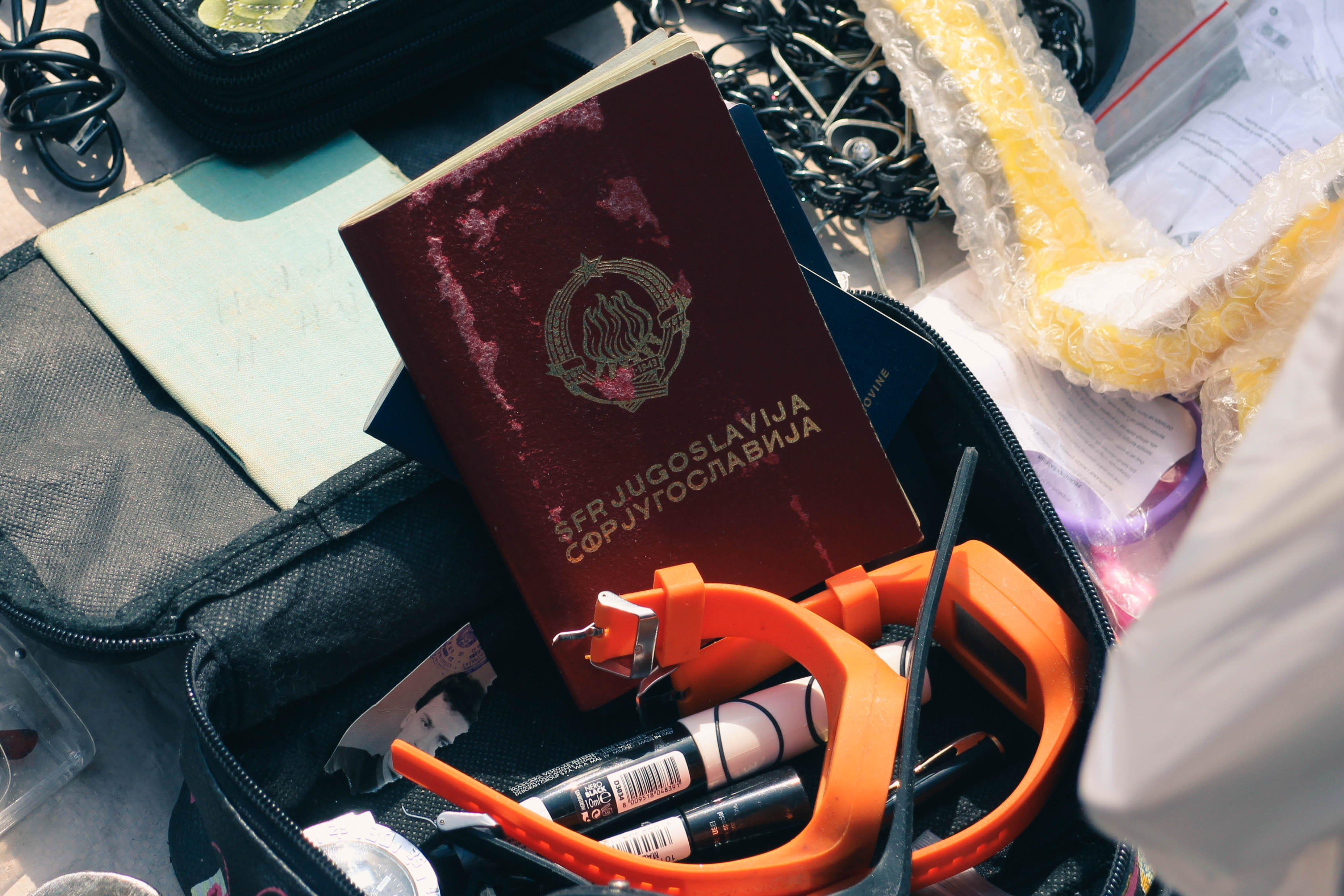
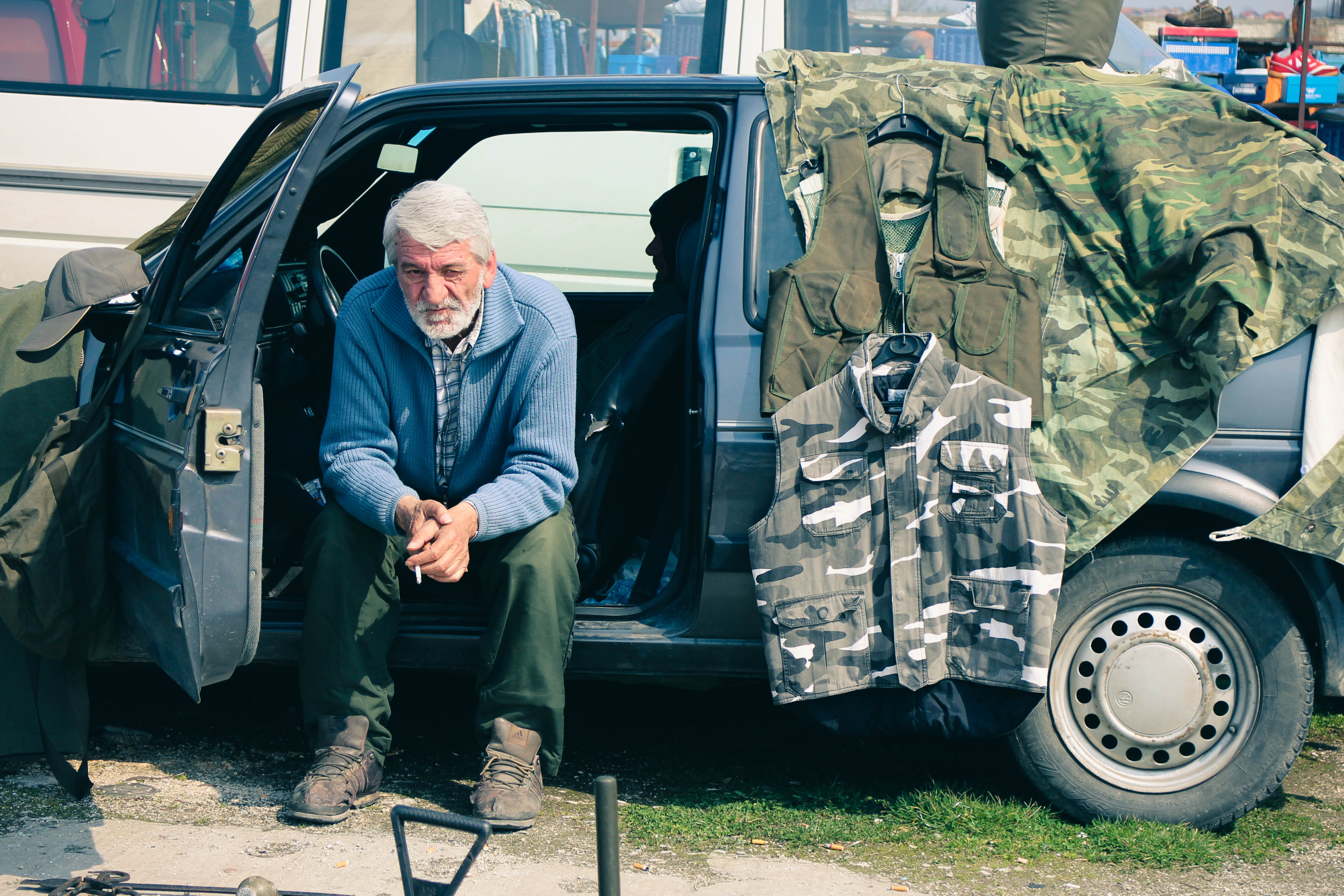
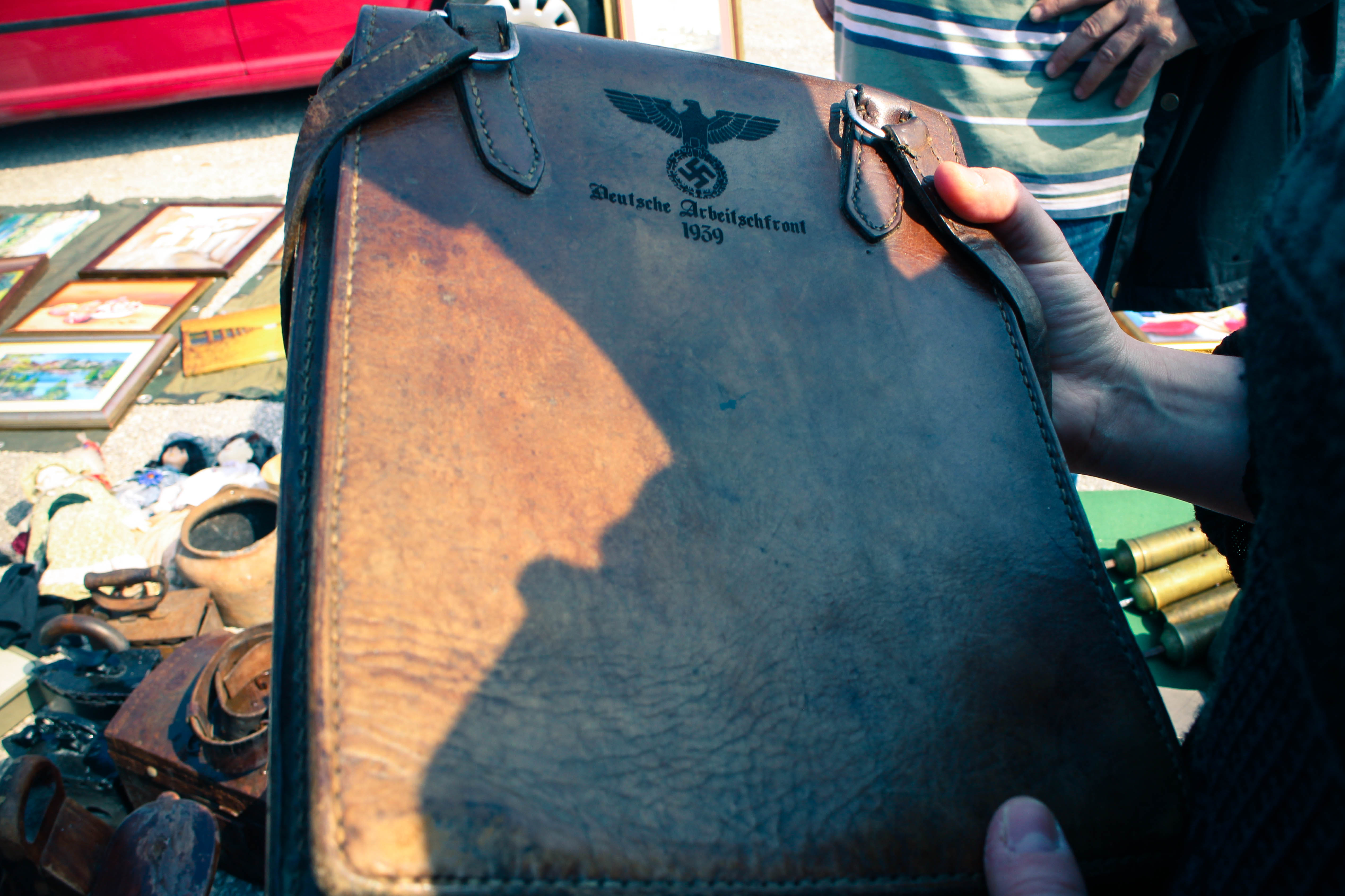
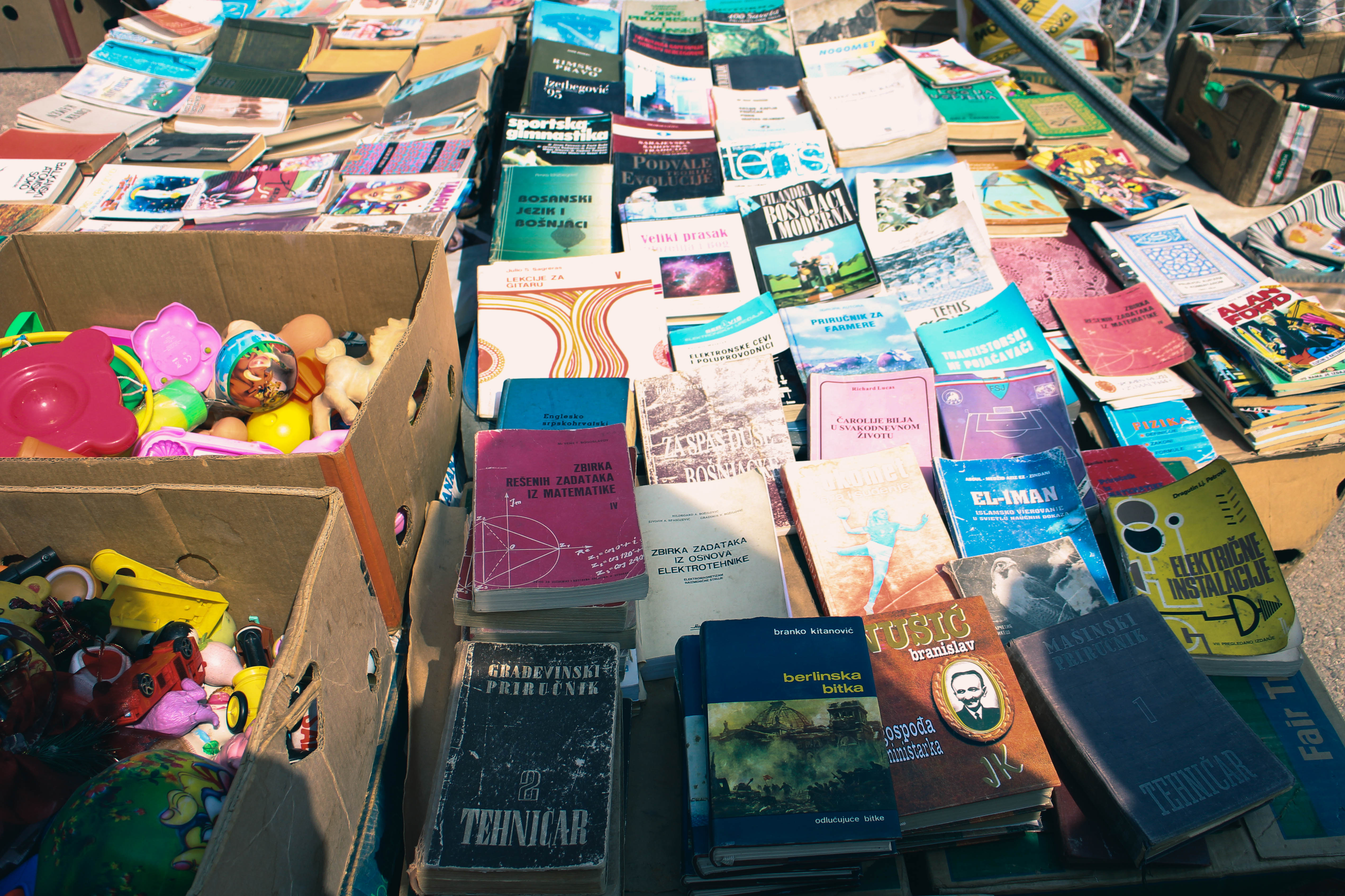
On your way to the market, do not be fooled by the profusion of sellers on the side of the road – those are the latecomers who were not able to get a more coveted spot inside of the market. These outsiders sell all kinds of things, but memorabilia from a more prosperous Yugoslav era overwhelms the road to the market.
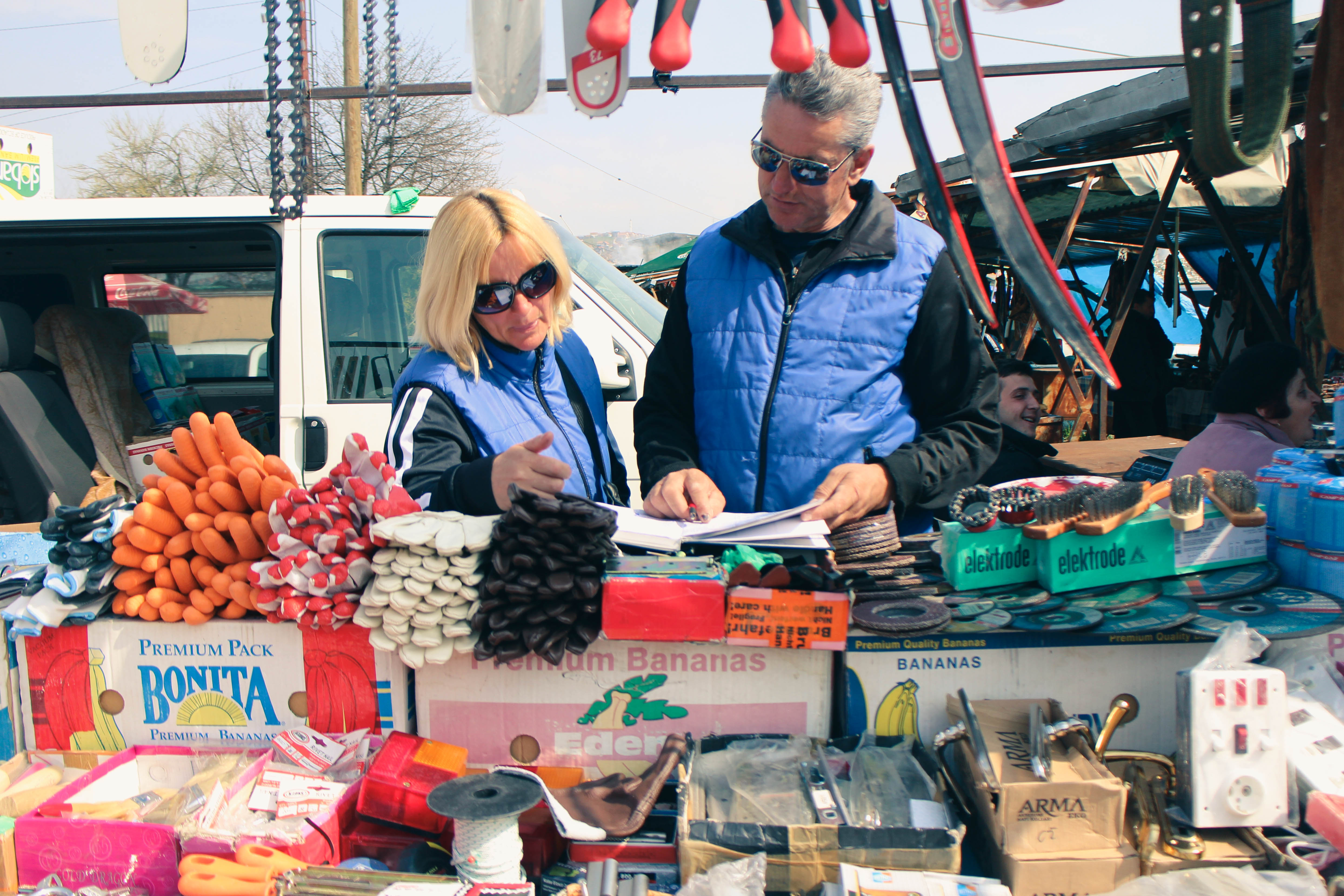
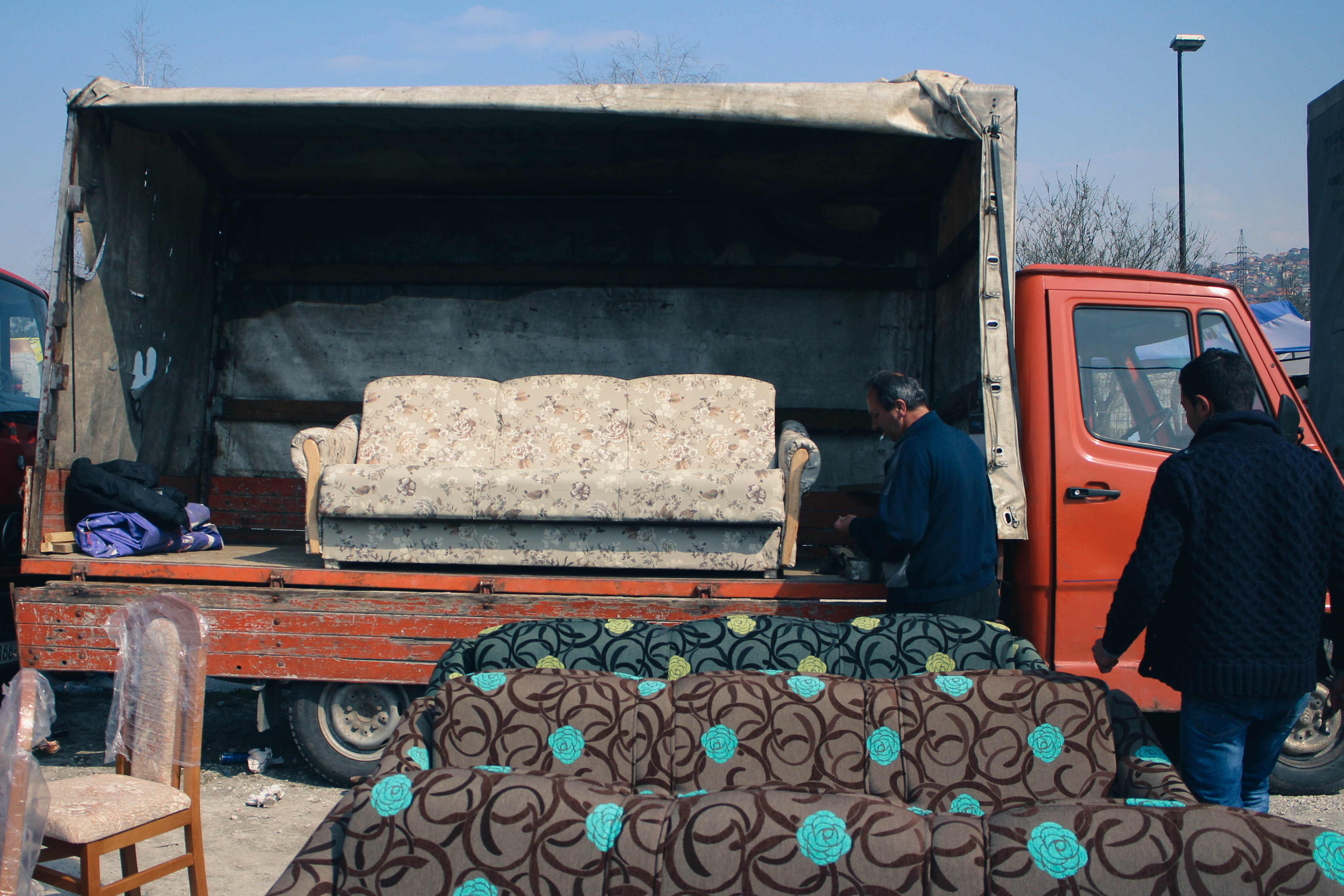
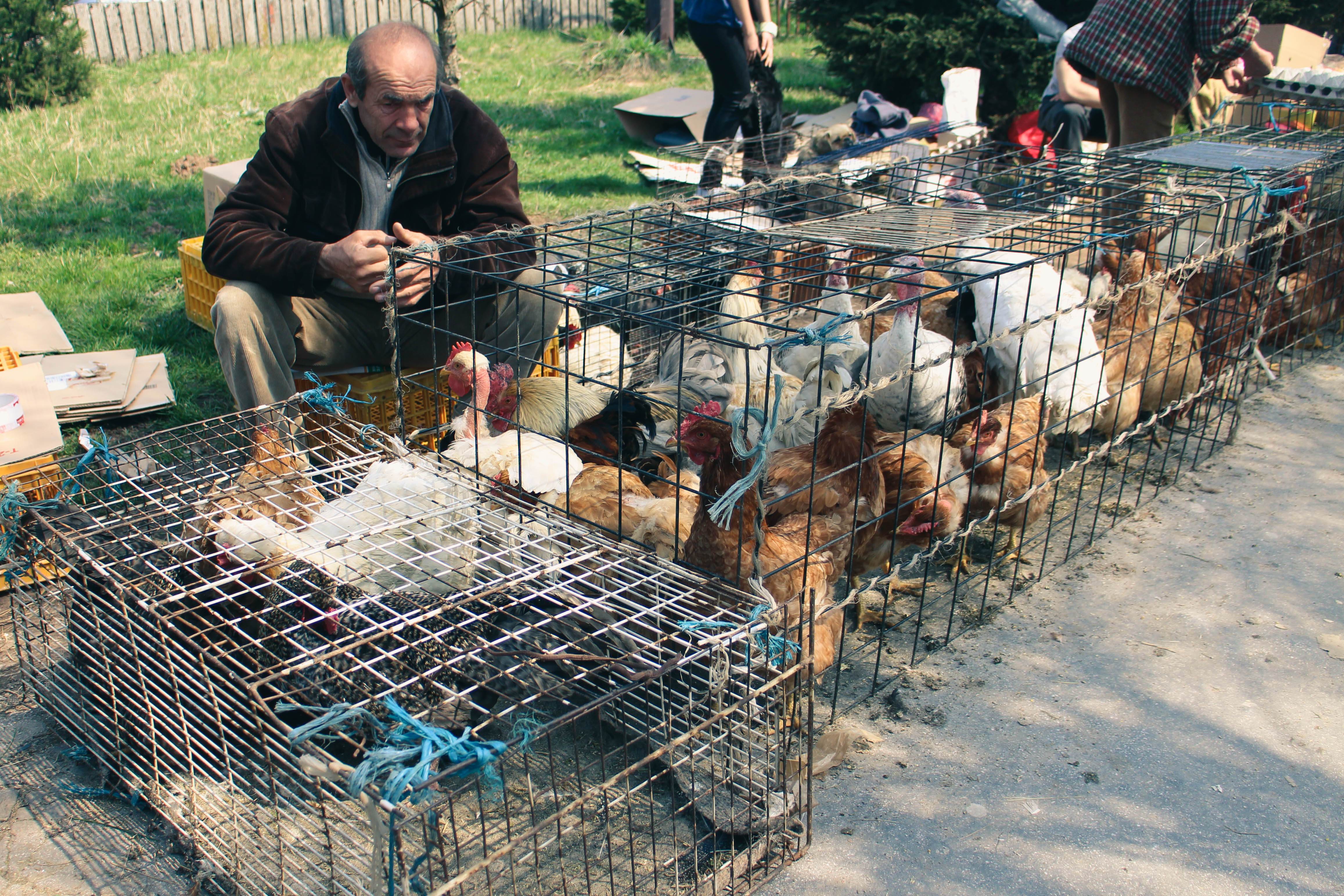
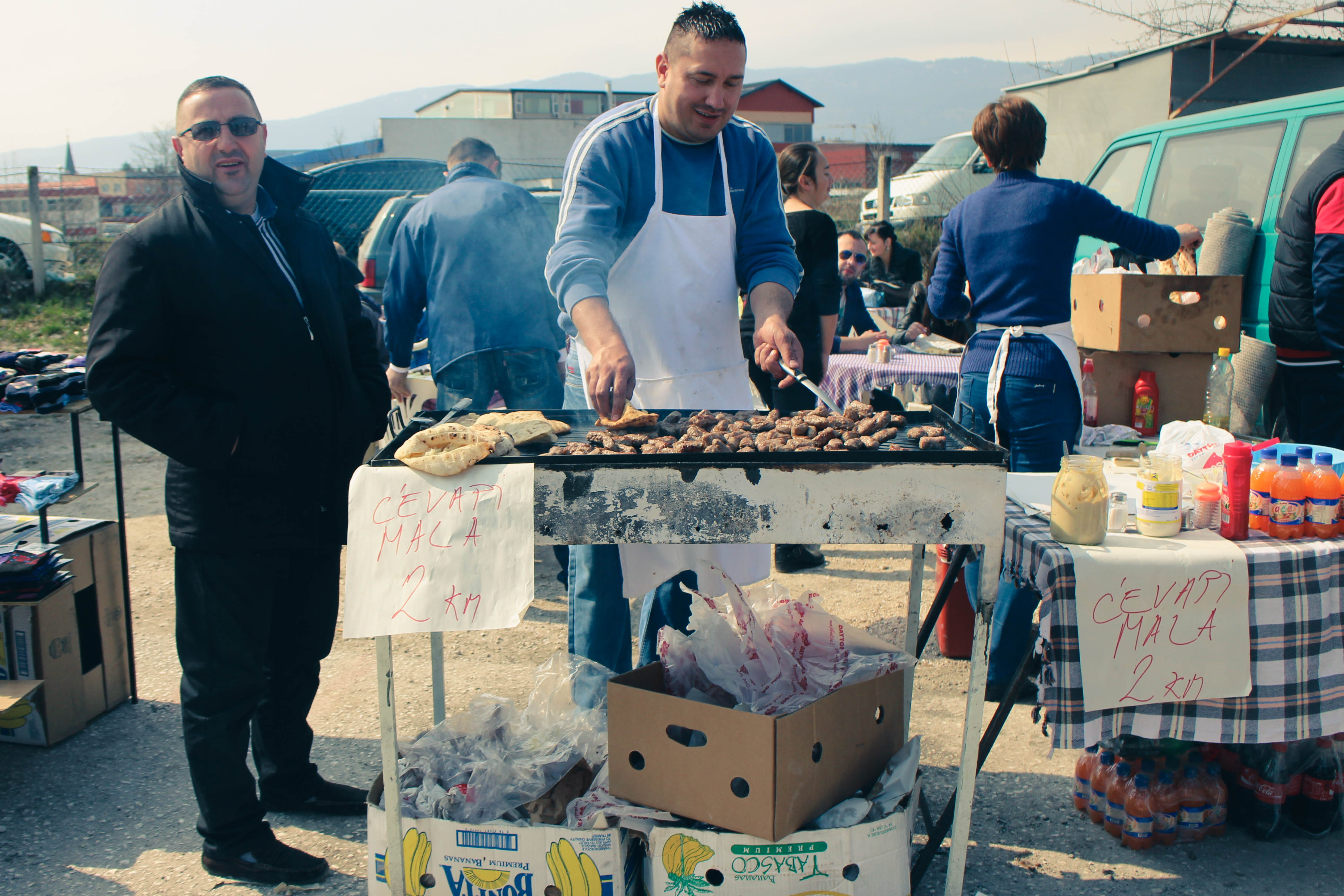
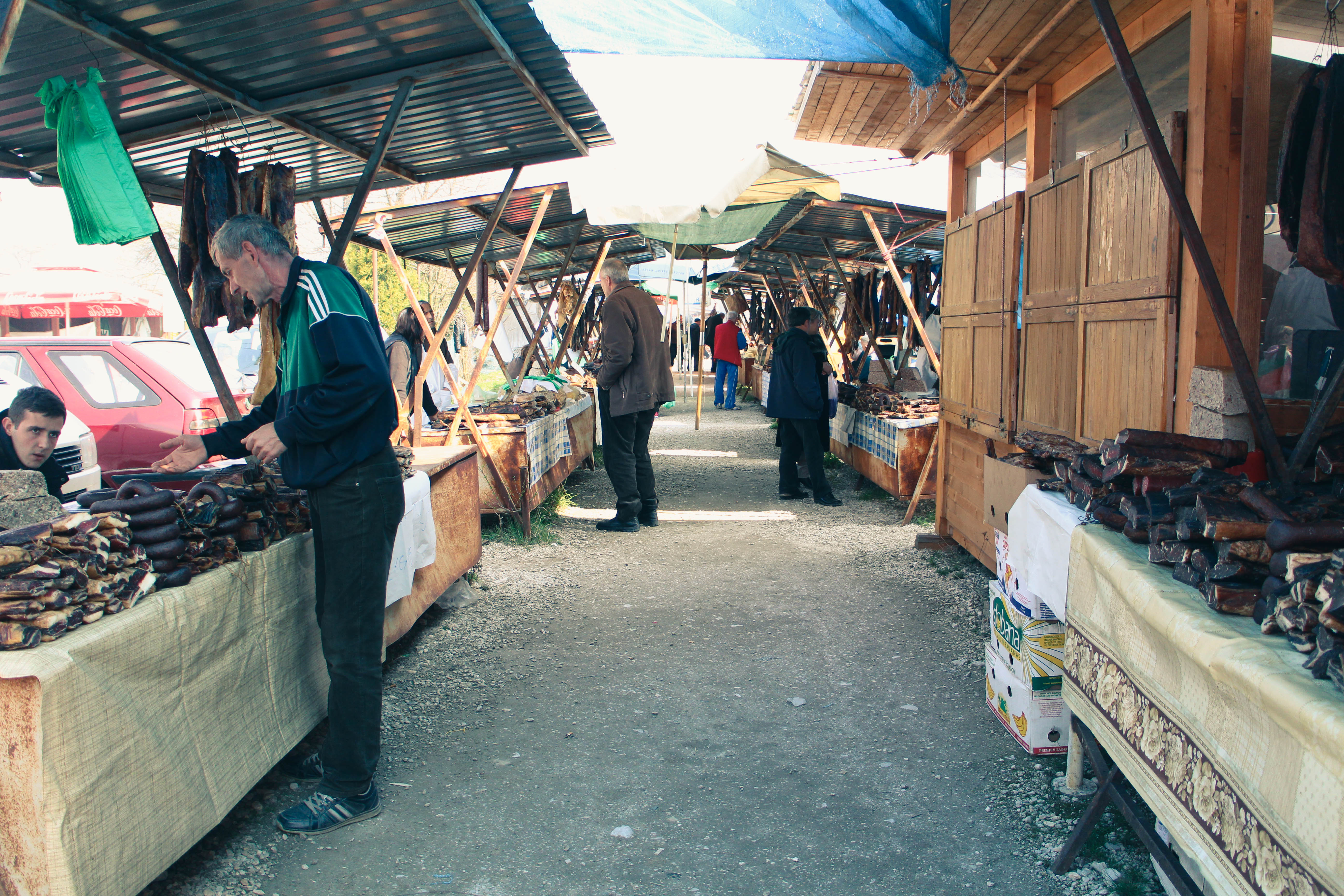
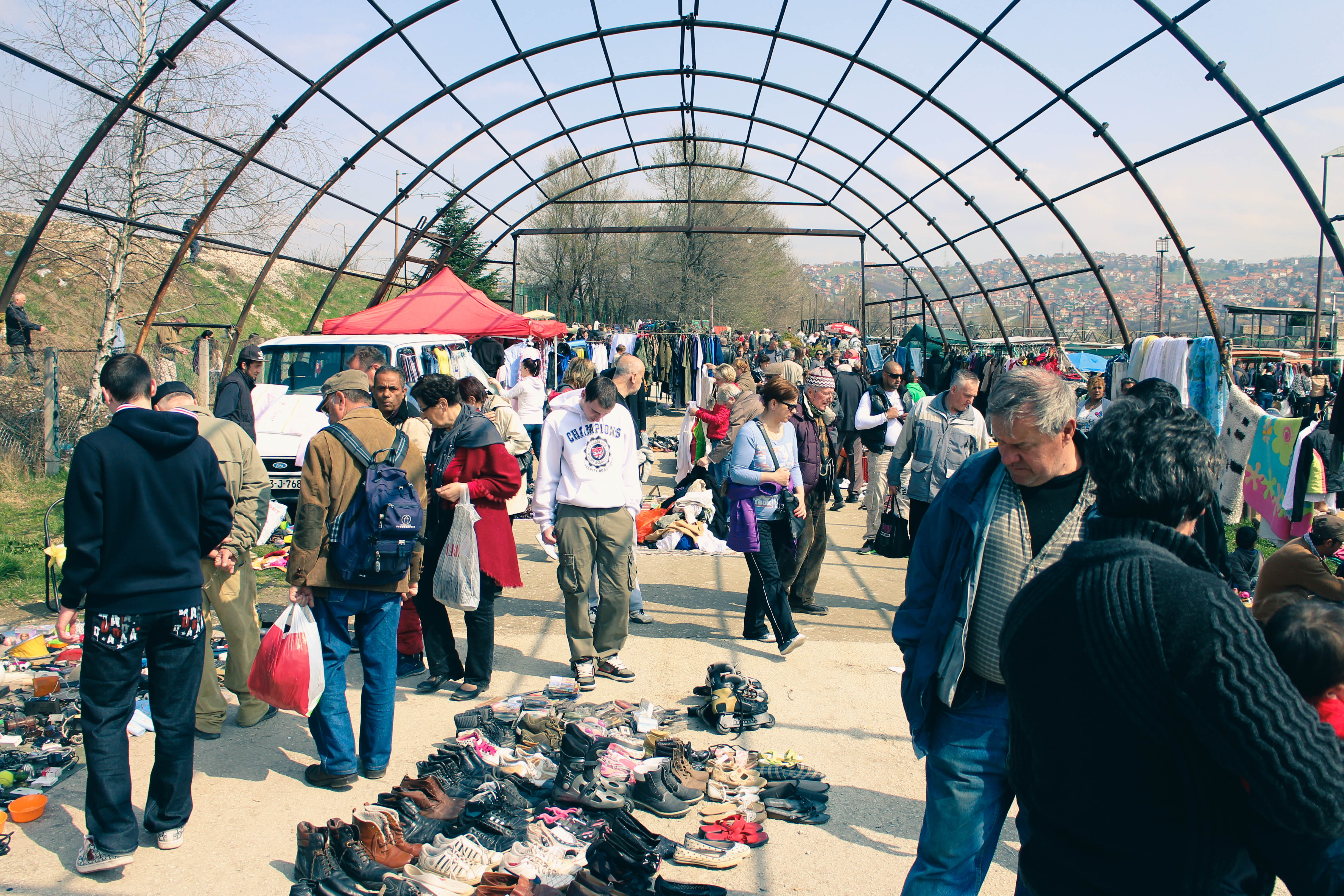
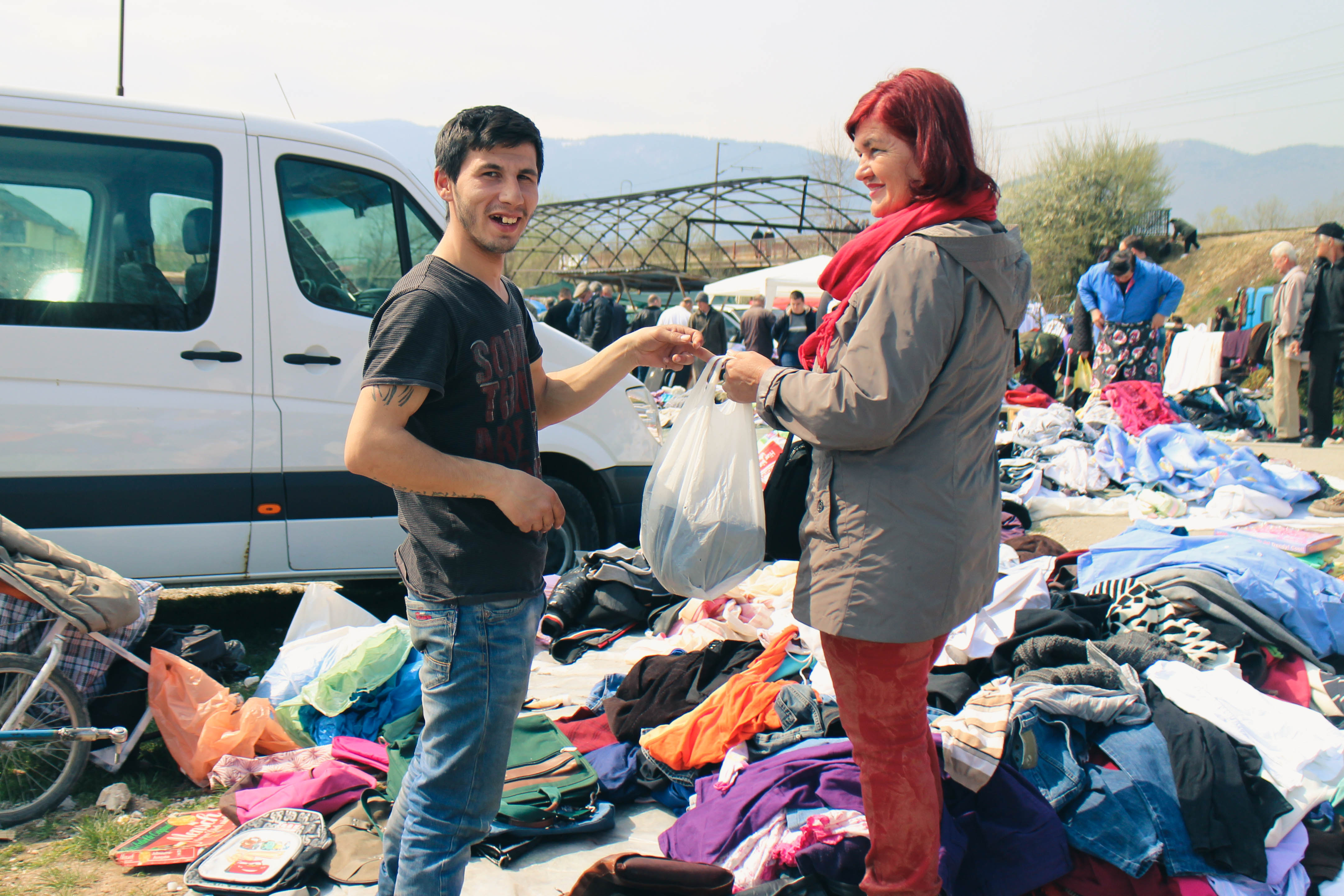
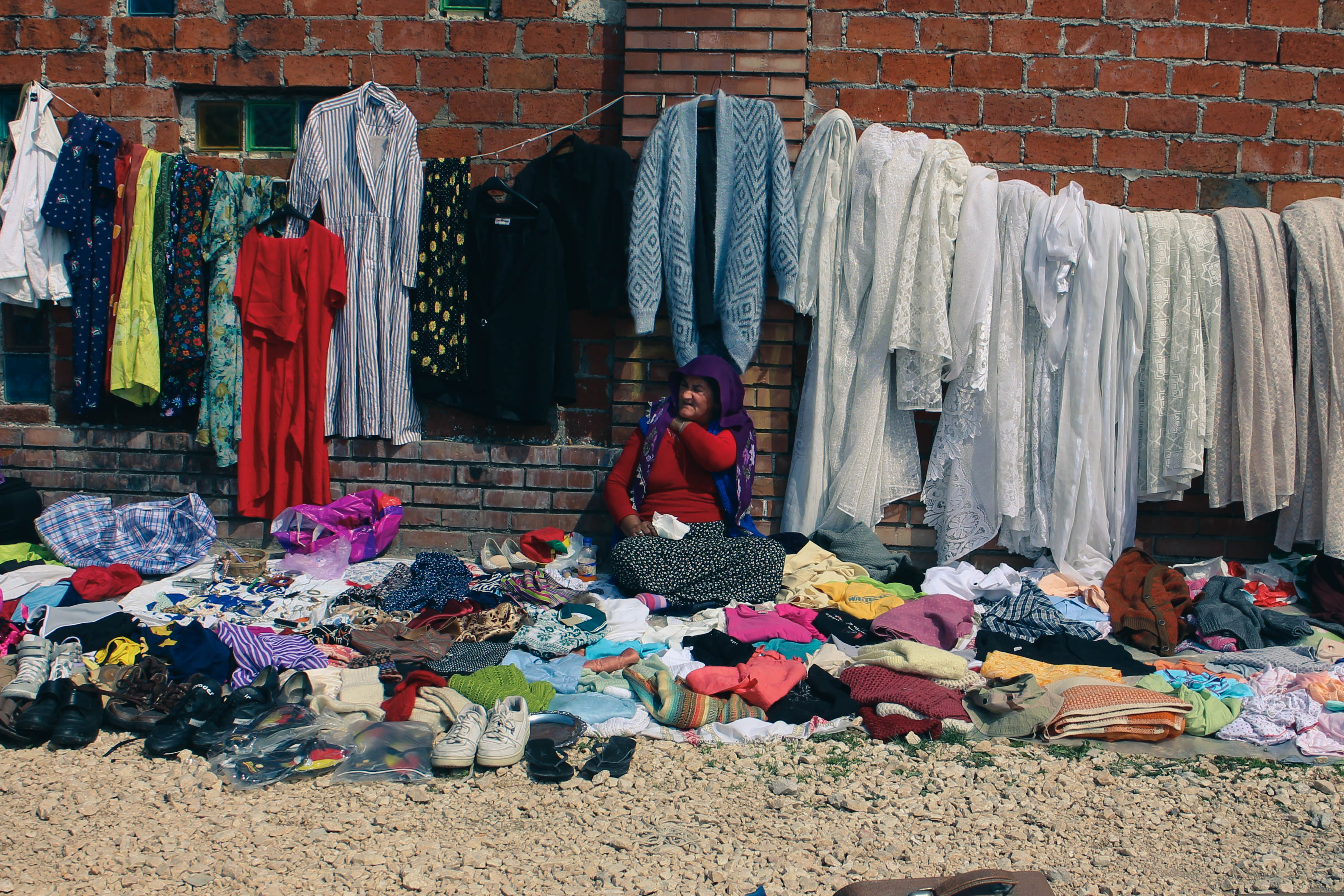
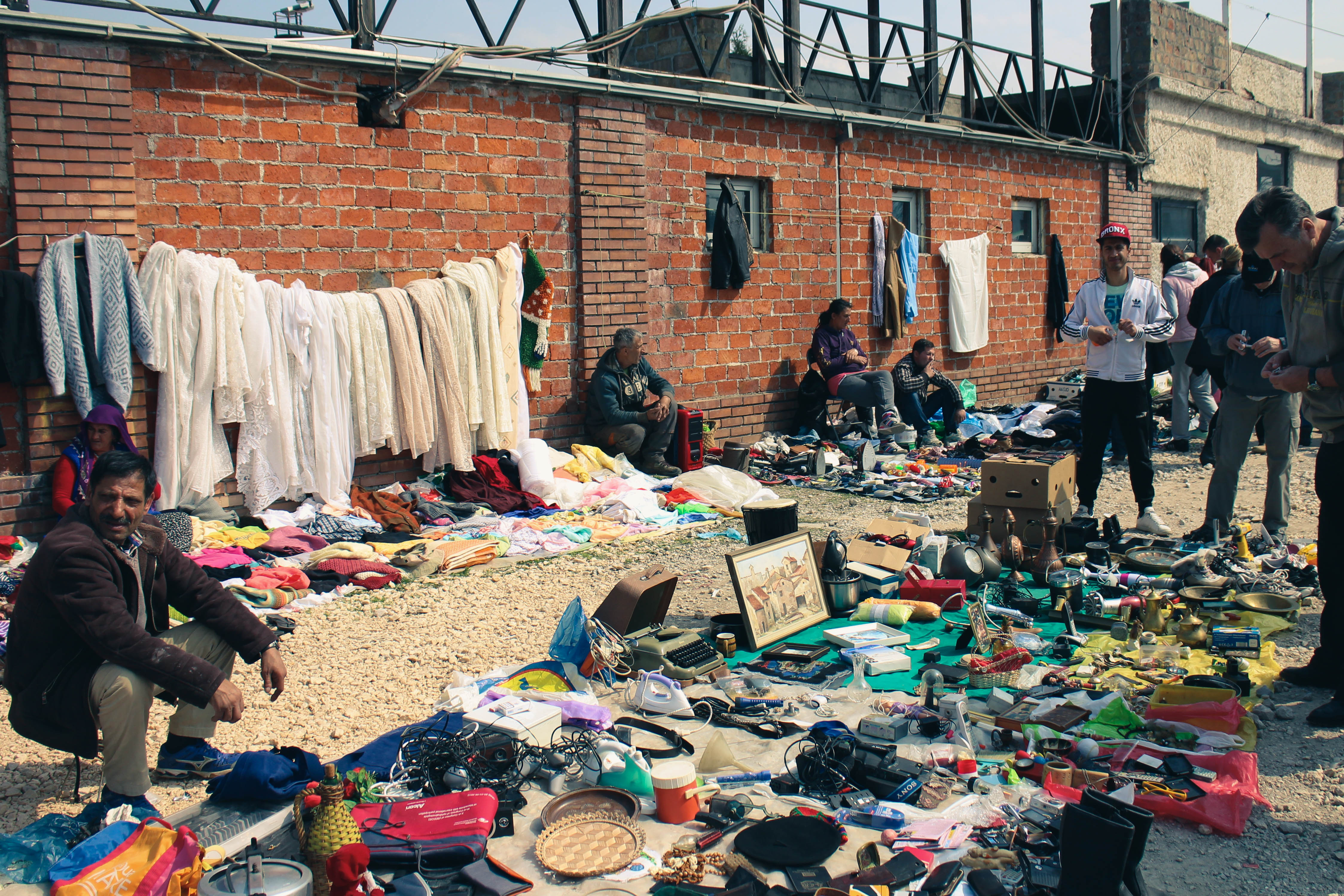
The more affluent vendors are at the entrance, selling a plethora of brand new Made-in-China products. Amid this vast diversity of products and the colorful array of clothing, the struggle to earn one’s daily bread continues. Along the aisles of the market, you can witness Bosnian creativity in all its splendor – from roasted lamb to cheap cevapi; from vintage bags to old-fashioned bikes, you can find everything you are looking for in Stup.
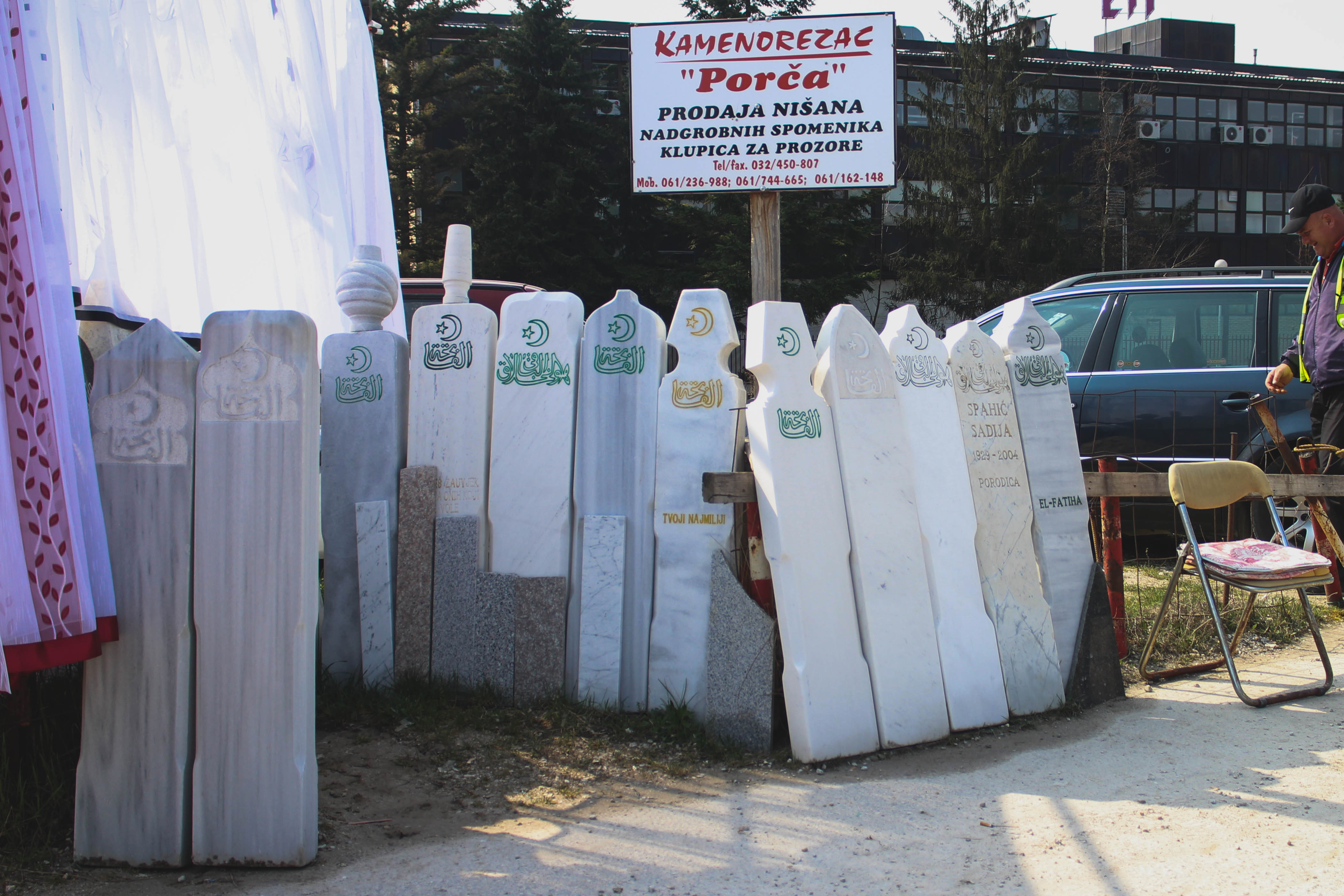
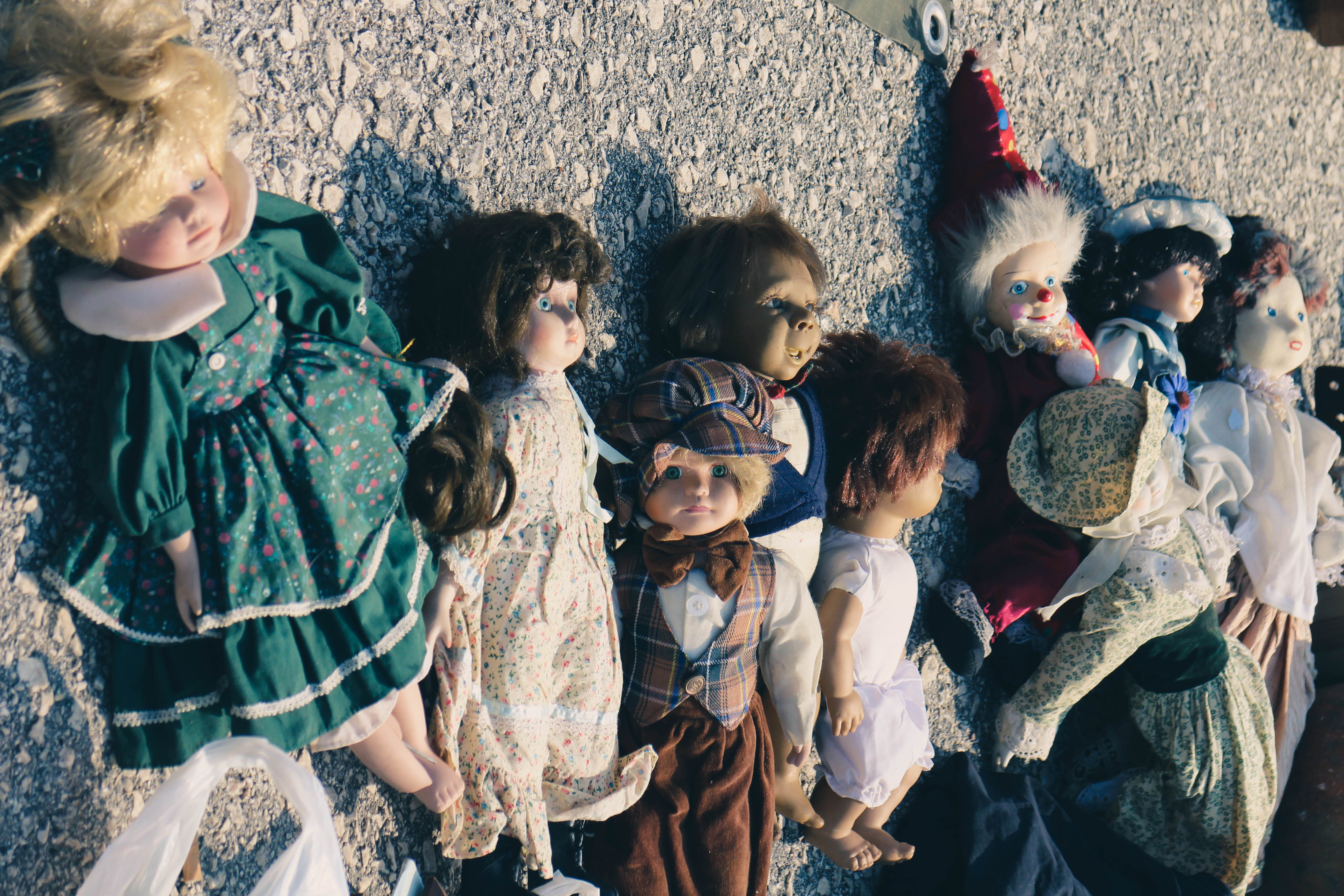
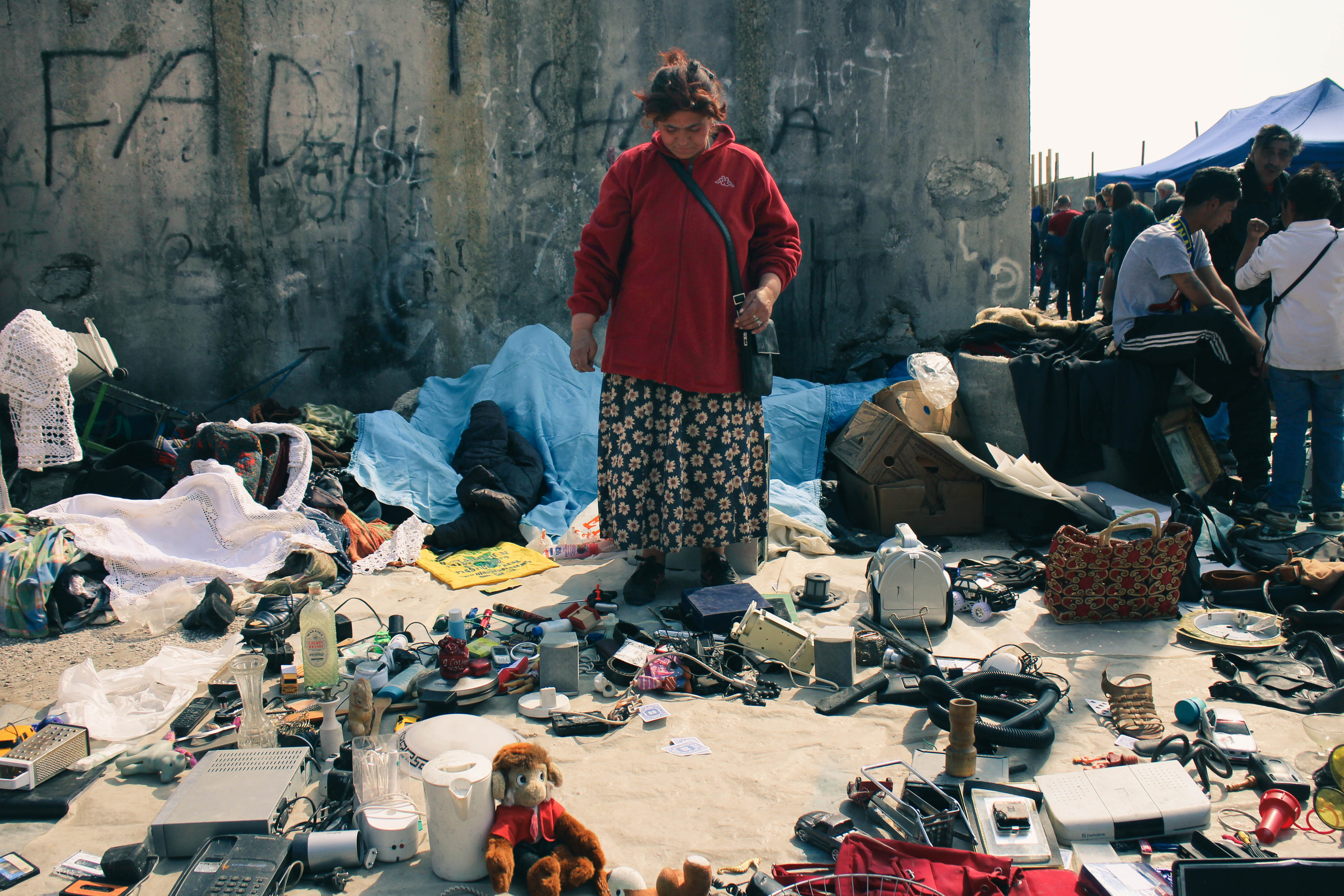
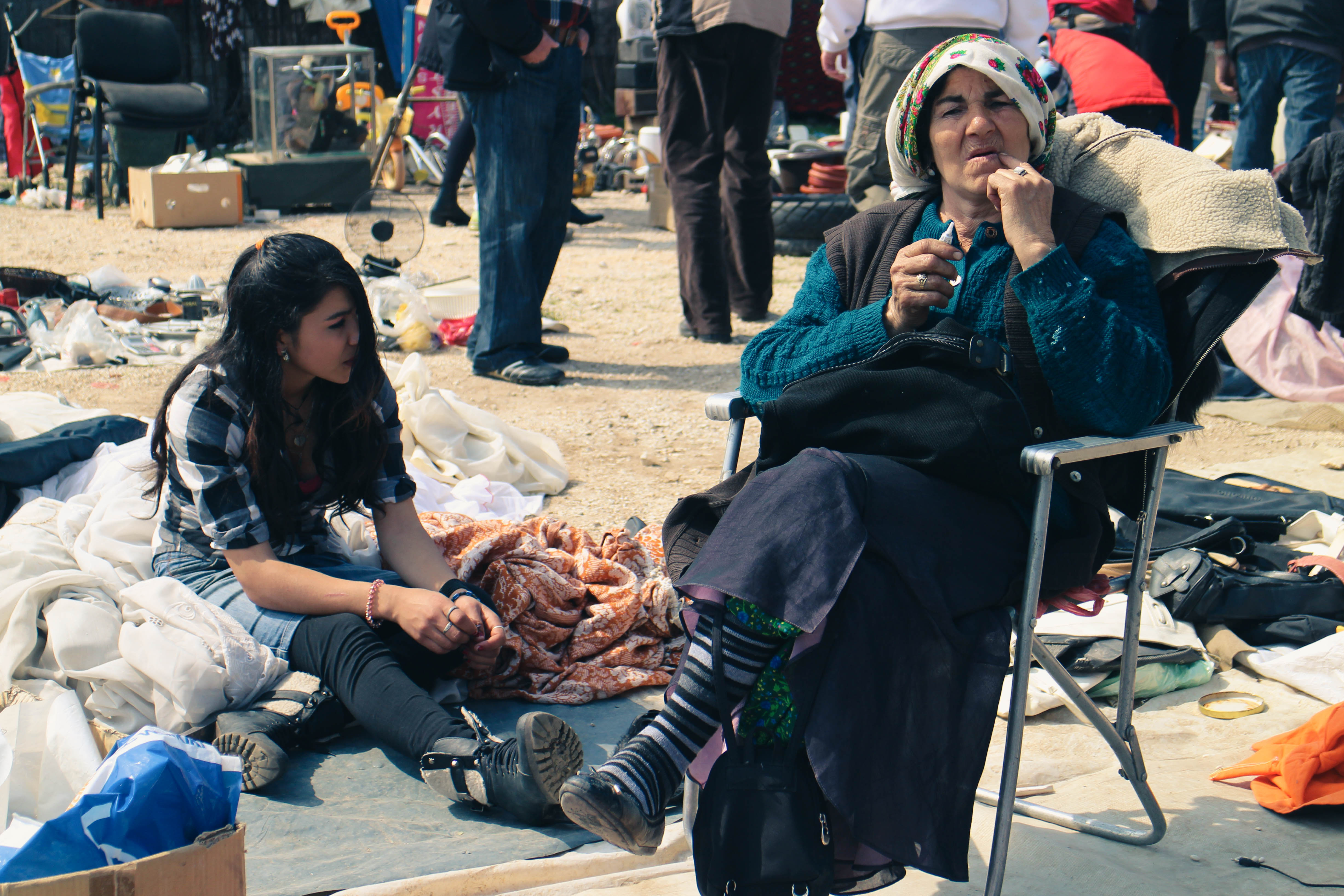
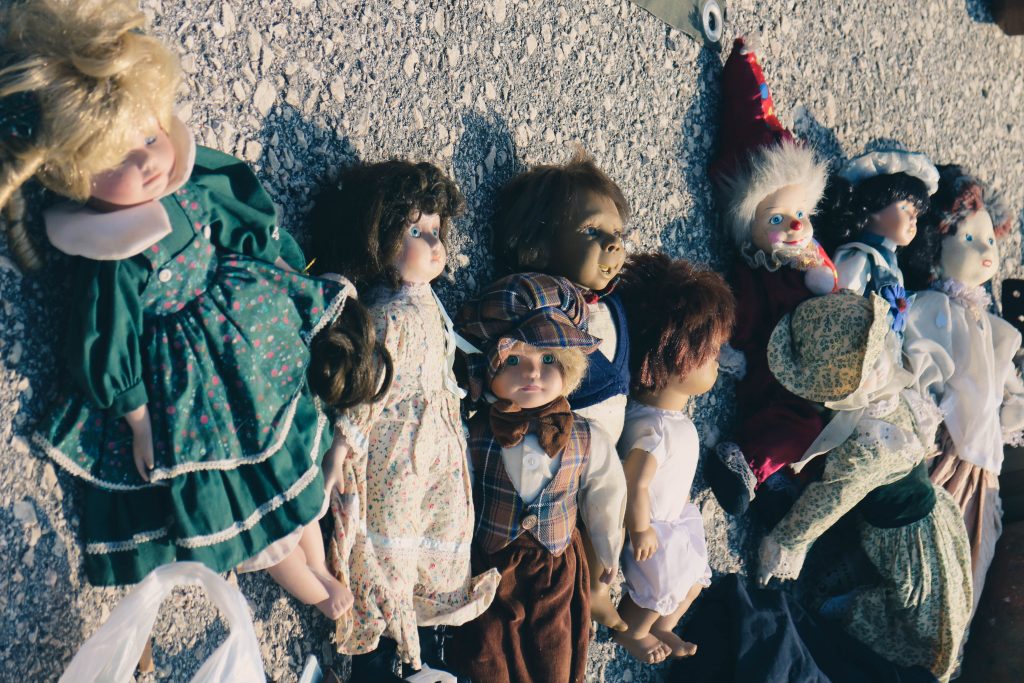
Passing the Islamic tombstones, you cross an imaginary line to arrive on the edge of the market. As is the case in Bosnian society, the Roma vendors are found on these outskirts. With their trinkets from a futuristic past, and their knick-knacks of unknown origin, these outsiders are always willing to bargain all the way to that final sale.
If you ever go to Sarajevo, witness, experience and enjoy a trip to a market rife with culture and heritage!