(Un)civilized Living

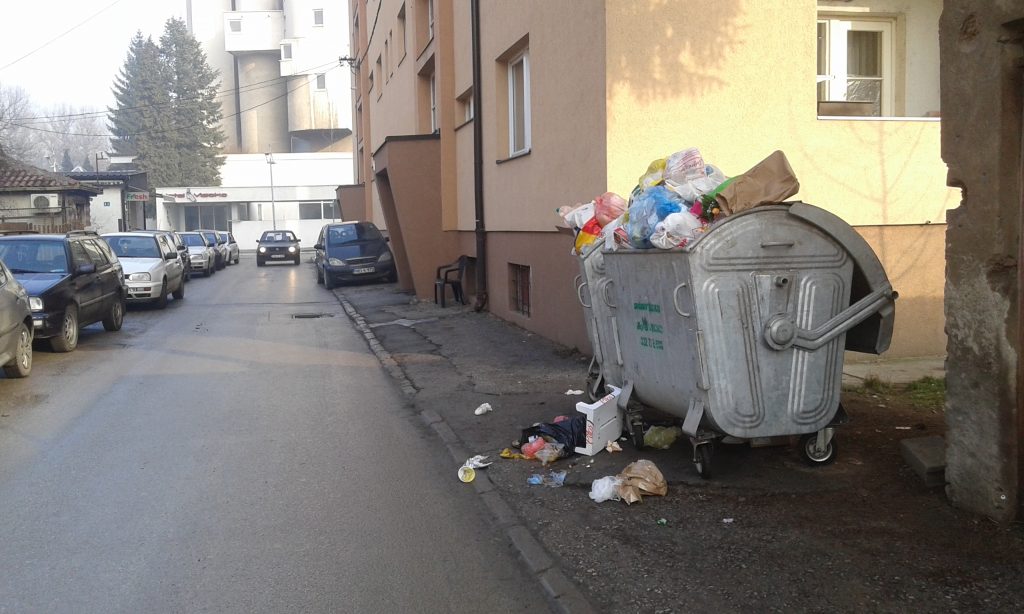
[:en] The cleanest part of the Čekrekčije street, between the police station and the old “Visoko” hotel (Credit: Lejla Bečar) [:bs] Najčešći izgled ulice Čekrekčije, između policijske stanice i starog hotela Visoko (Foto: Lejla Bečar)

Despite recent improvements, litter remains a major problem in parts of the Bosnian city of Visoko. Lejla Becar explores.

A few years ago, all the local media were reporting on the communal and animal waste problem in Visoko. The city was insufferably dirty, and garbage dumps were everywhere. Today, the situation is better in the center of the city, that is, Alija Izetbegovic Street and Carsijska Street are trash-free. But once you step away from the center, the situation is very different.

Next to the cinema, museum, and parking lot, there is an “urban garbage dump, which represents an art installation about the living habits in Visoko”.
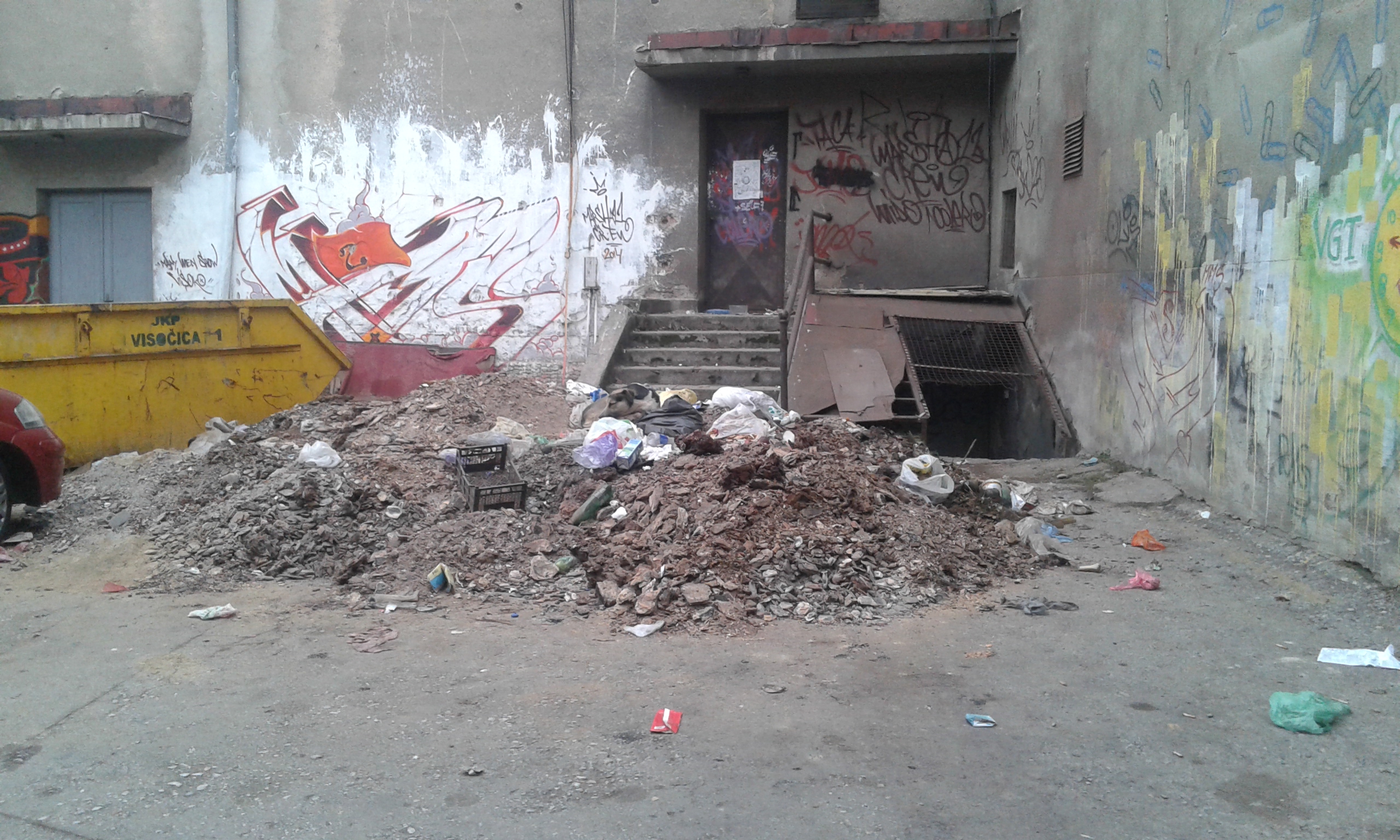
Matrakčijina street (Credit: Lejla Bečar)

The center of Visoko was designed to improve local trade, but its current state highlights only how poorly people are treating the city.
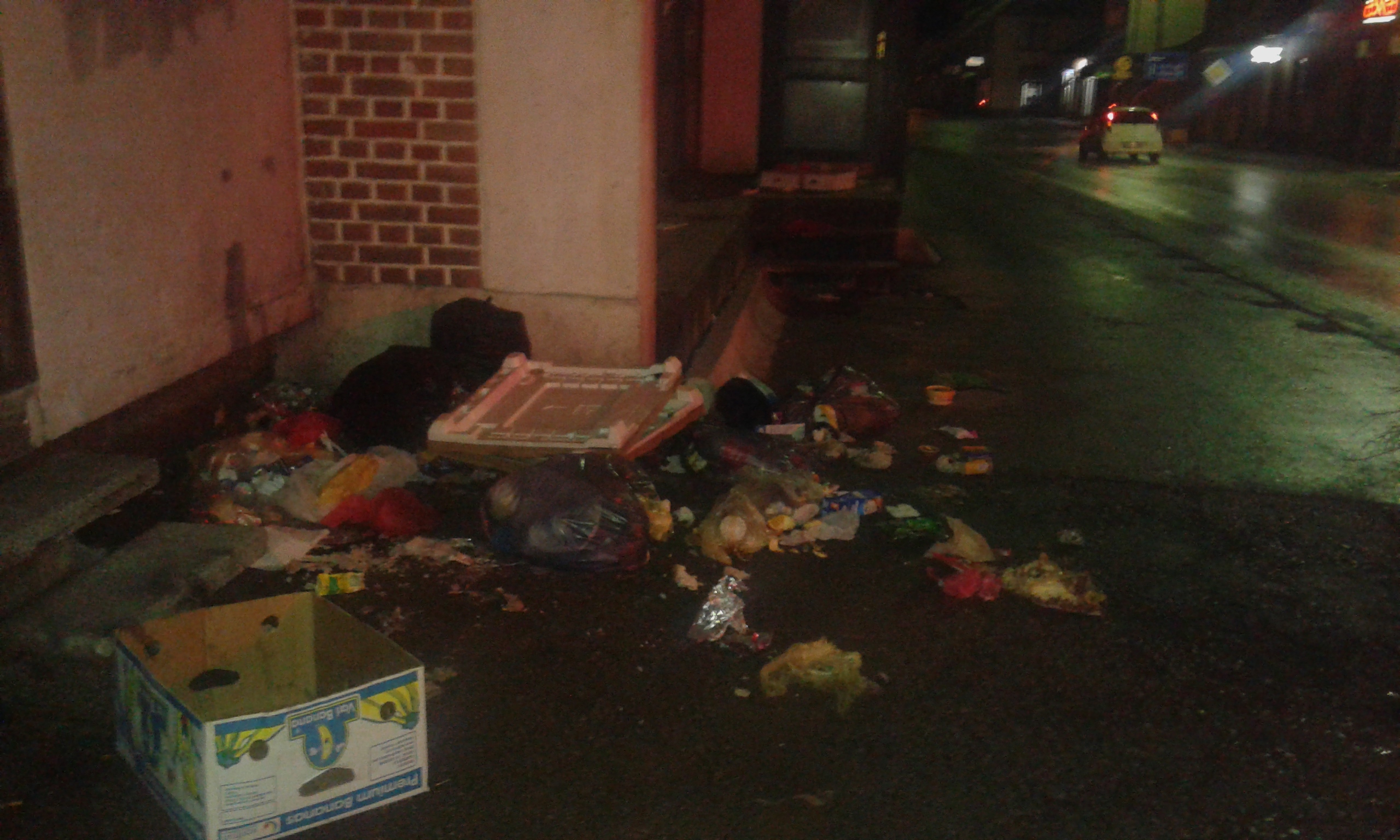
King Tvrtko Street (Credit: Lejla Bečar)

During the day, local waste management company workers try to remove these mini garbage dumps. But every night, the citizens who apparently want a real city garbage dump at this location show their determination.
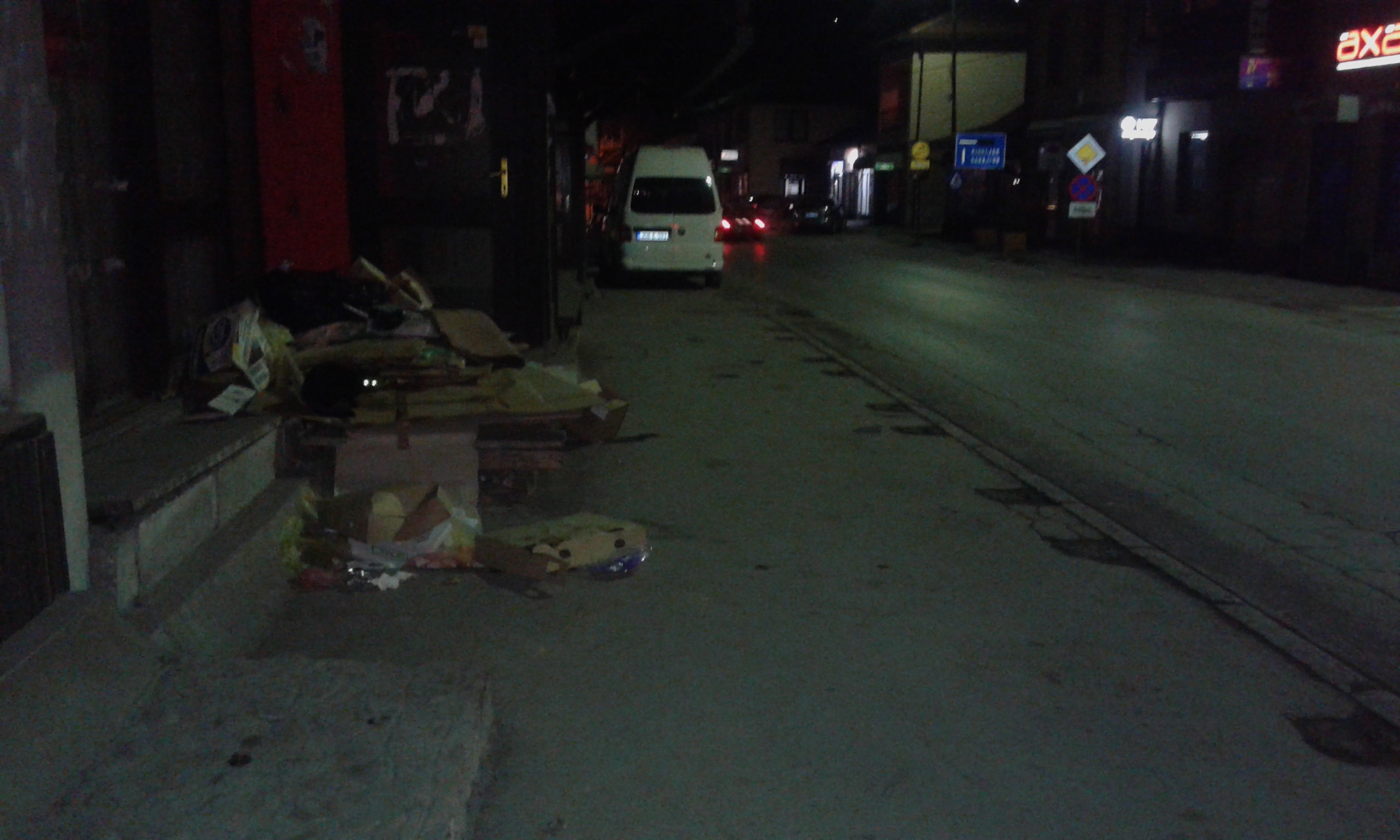
slika 4
(Credit: Lejla Bečar)

In the vicinity of one of the city’s two primary schools, you can observe how children are taught from an early age that using a trashcan for your trash is a Sisyphean task. This antique trashcan has been standing here for decades, and it has not been used for its intended purpose for decades.
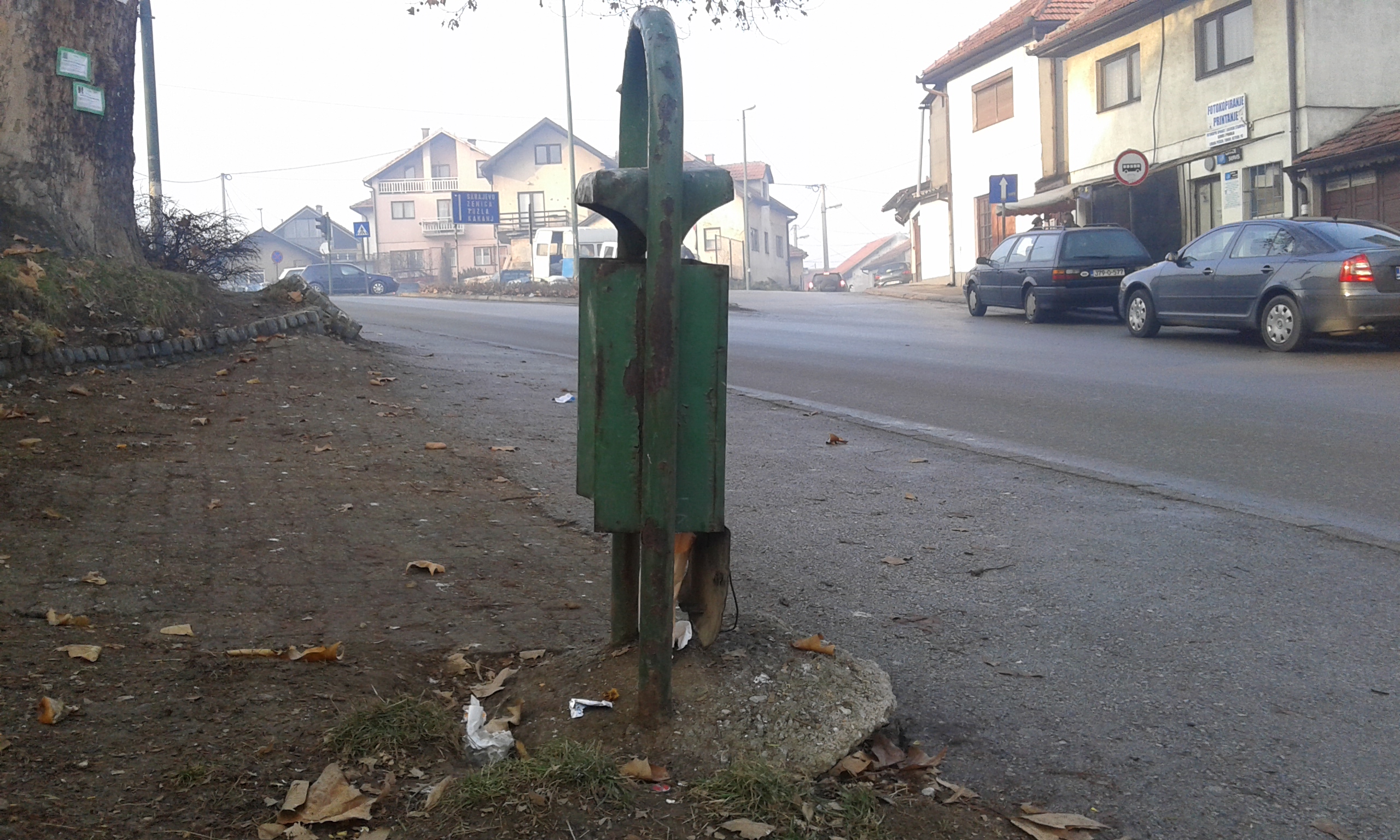
slika 5
(Credit: Lejla Bečar)

The new city promenade has also suffered because of citizens’ unrelenting habit to dispose of their trash “in the most convenient place available”. With its “decorations” of garbage, the promenade welcomed the vandalizing of the street furniture (benches, fences, and concrete flowerpots).
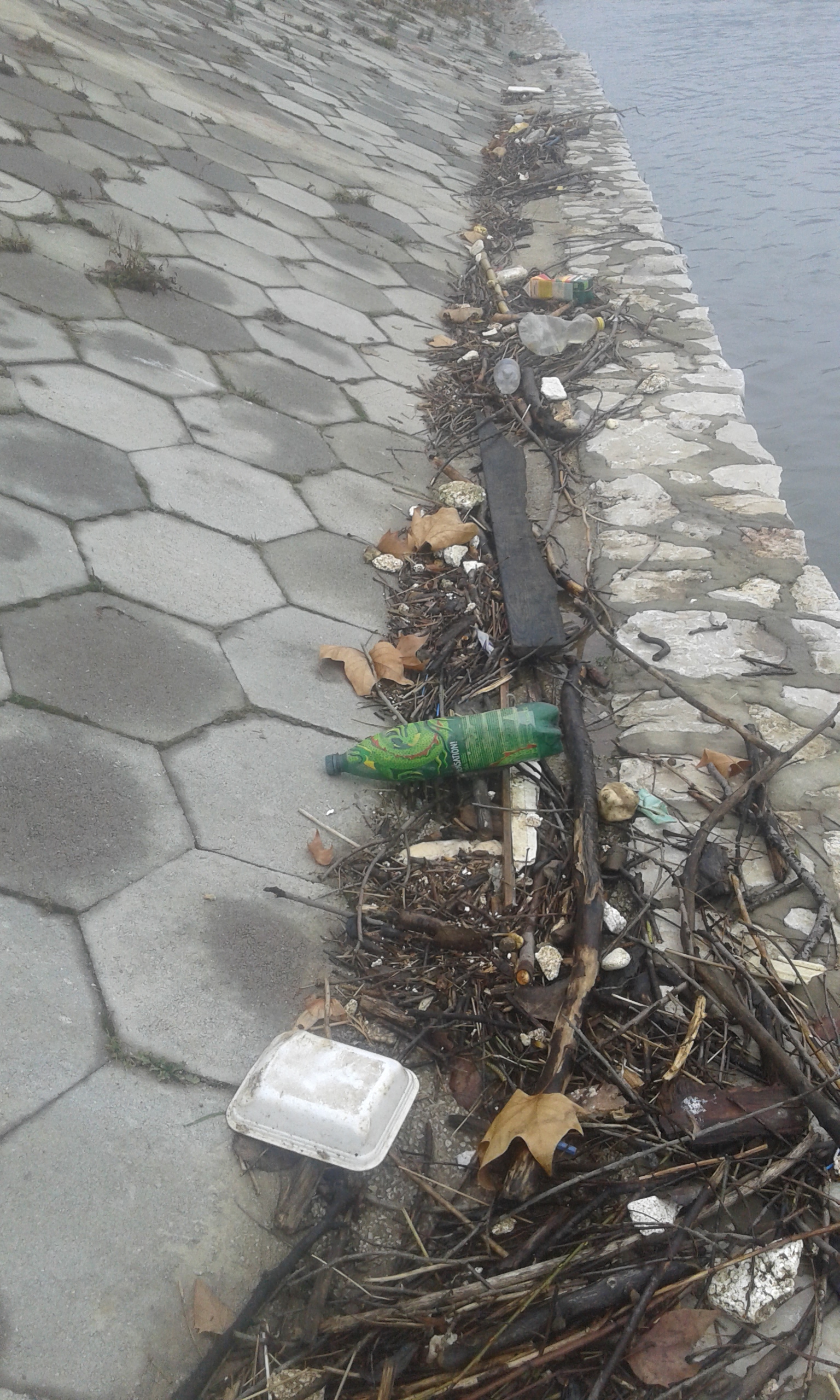

(Credit: Lejla Bečar)

Lejla Bečar is a Balkan Diskurs trained correspondent from Visoko, Bosnia-Herzegovina. She is also an archaeologist and currently serves on Index on Censorship's youth advisory board.

Related posts

Problems in the Processing of War Crimes Understood as an Attack
The processing of war crimes at the state level in Bosnia and Herzegovina (BiH) was criticized by international experts after these cases have been worked on for more than ten years. Their conclusion is that only low-ranking perpetrators are being processed, indictments are often “fragmented” and sent back multiple times for corrections, there is inconsistency regarding the legal qualifications of local law officials, and there are problems with the application of protection measures for witnesses.
Balkan rap: Activism in music will never die out
Music cares not for geographic and other boundaries. Fans and admirers of the same kind of music may easily find each other and be connected, ignoring everything that divides them.

Leave a Reply

Your email address will not be published. Required fields are marked *


Winner of the Intercultural Achievement Recognition Award by the Austrian Federal Ministry for Europe, Integration and Foreign Affairs

Post-Conflict Research Center
Join our mailing list