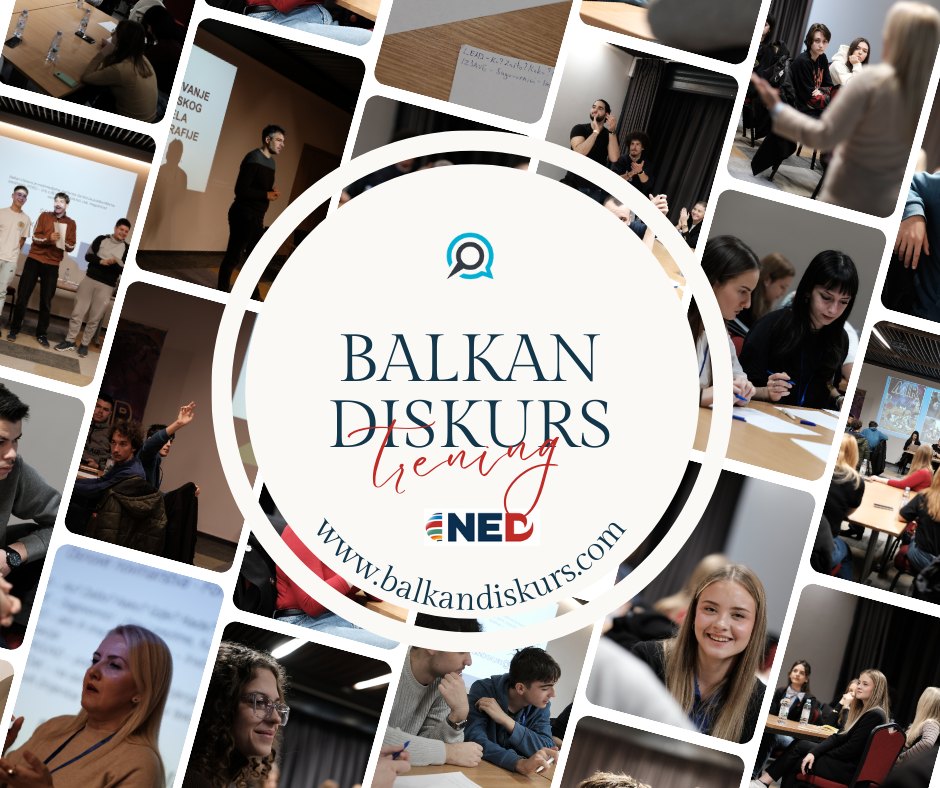
The Post-Conflict Research Center held its eleventh training for youth correspondents this December, where participants learned the basics of journalism through storytelling and photography.
The journalism training was led by Erna Mačkić, a long-time journalist and editor. Through practical exercises, critical discussions, and simulations of real newsroom work, the young participants learned how to report responsibly and ethically on topics that shape society.
Mačkić emphasized the fundamental difference between objective and subjective writing, noting that personal opinion can only be used in commentary or blogs, and partially in feature stories. She explained how to write and what should be included in a news article, report, extended report, analysis, interview, and feature story. “It is crucial to craft a strong lead, and to ensure that interviewees’ statements are conveyed accurately, without additions or embellishments. It’s also important to distinguish between direct and indirect quotes and know how to shorten them,” Mačkić said.
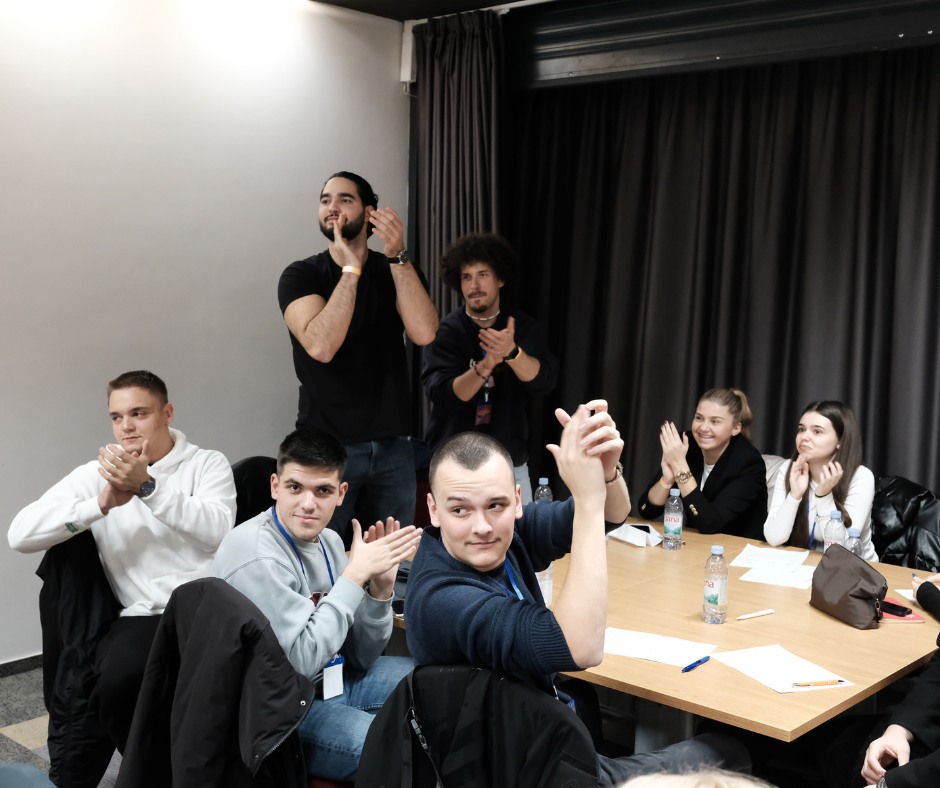
The training was interactive as participants wrote news articles, analyzed texts, and learned how to identify manipulative narratives.
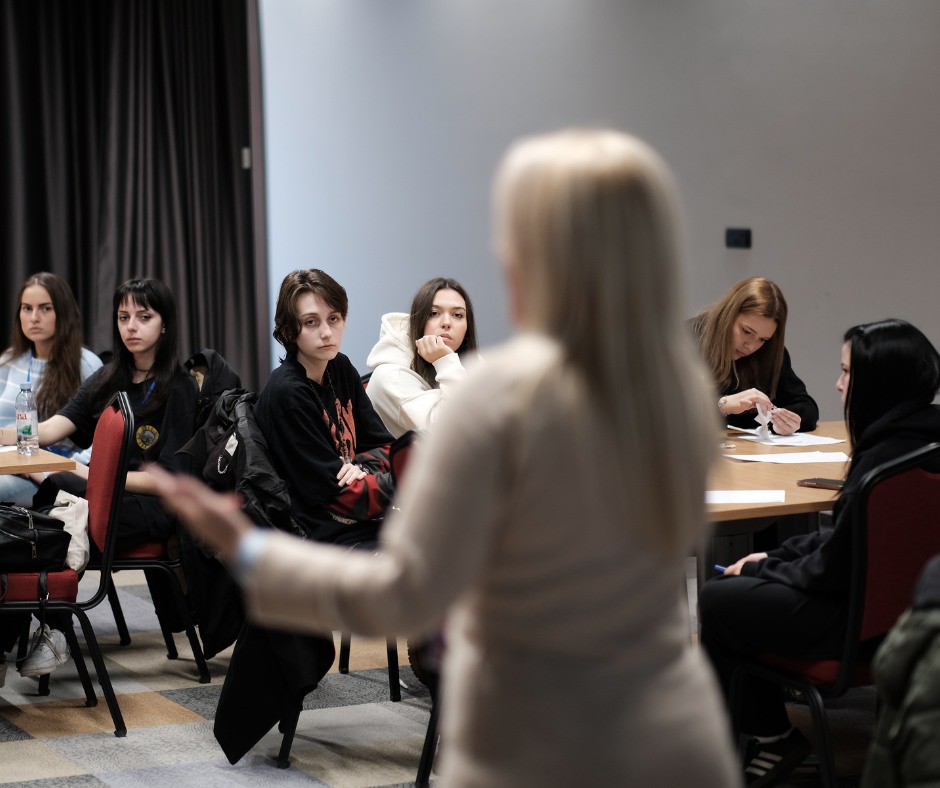
Sara Omanović from Visoko highlighted the importance of the practical aspect: “The workshop was highly interactive – through tasks, group work, and presentations, we learned how to write, analyze, and present content. This experience further motivated me to get involved in similar projects.”
Asja Tursunović from Tuzla emphasized the clarity the training provided: “I finally understood concepts that were previously unclear to me. Erna Mačkić’s work and her communication with us left a strong impression. I highly recommend the Balkan Diskurs training.”
For many participants, the workshop was also a form of professional encouragement. Tajra Mahmutović from Srebrenik said: “I especially enjoyed the citizen journalism workshop, as I see myself in that field in the future. This experience strengthened my decision.”
Stories of Courage That Change Perceptions
After the workshop, participants attended a screening of the documentary film “Ordinary Heroes,” one of the first projects by the Center for Post-Conflict Research. The film presents stories of people who, during the war, chose humanity, solidarity, and moral courage, often risking their own lives to save others.
The film helped participants connect journalistic work, ethical approaches, and testimonies of people who shaped history. For many, it was a moment of silence and reflection, as well as a powerful emotional preparation for the activities that followed.
How an Image Becomes a Story
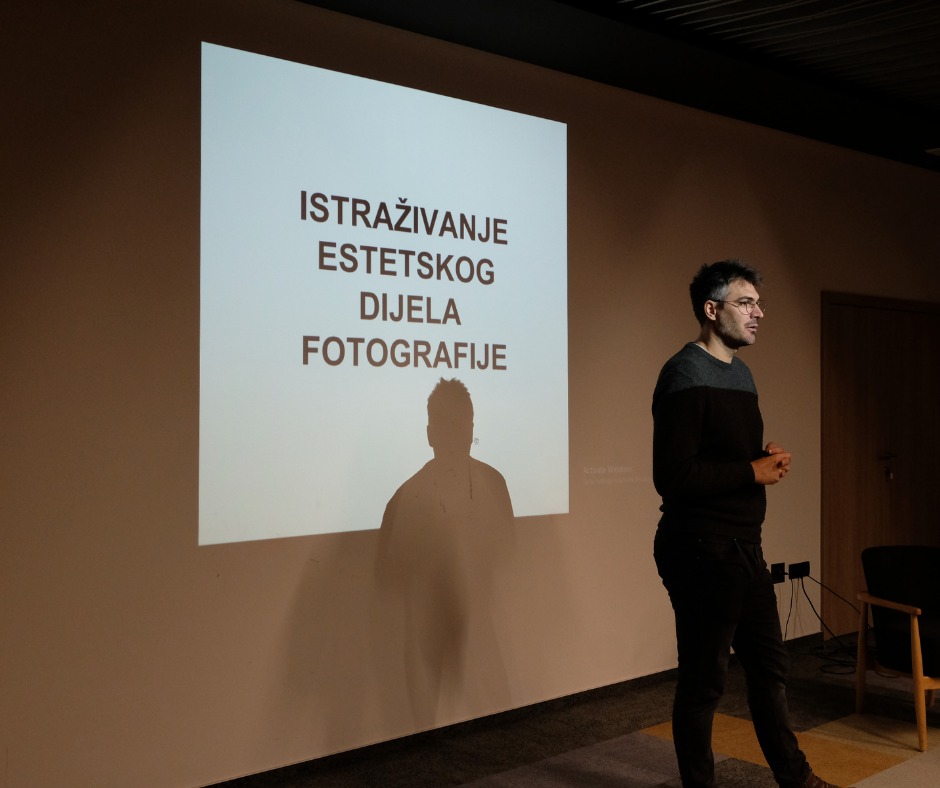
The final segment of the training focused on creative work with photographer Mitar Simikić. By presenting his own photographs, many of which have been exhibited in Bosnia and Herzegovina and abroad, Simikić introduced participants to the role of visual storytelling.
“Through composition, light, and visual narrative, he showed how photography can contribute to a deeper understanding of people and situations, and become a tool for promoting empathy and inclusion,” Simikić said.
Participants learned that photography is not just about aesthetics—it is about perspective, approach to people, and responsibility toward the stories we share. Tajra Mahmutović summed up the impressions of many: “We learned how much details influence a good photograph. Just as an entire story lies behind a single frame, this program also carries lessons we will take with us.”
Participants in the training have the opportunity to write for the Post-Conflict Research Center’s platform, Balkan Diskurs, which provides space for young authors to publish stories, analyses, and other journalistic forms, including photo essays. Along with this opportunity, it is clear that their questions, reflections, and messages show that young people not only want to learn, they want to change the one-sided narratives in their country.