In a city that was once synonymous with the creative touch and unique cultural scene of the former Yugoslavia, a new voice of independent art appeared three years ago, bringing back the spirit of the street, rebellion, and community.
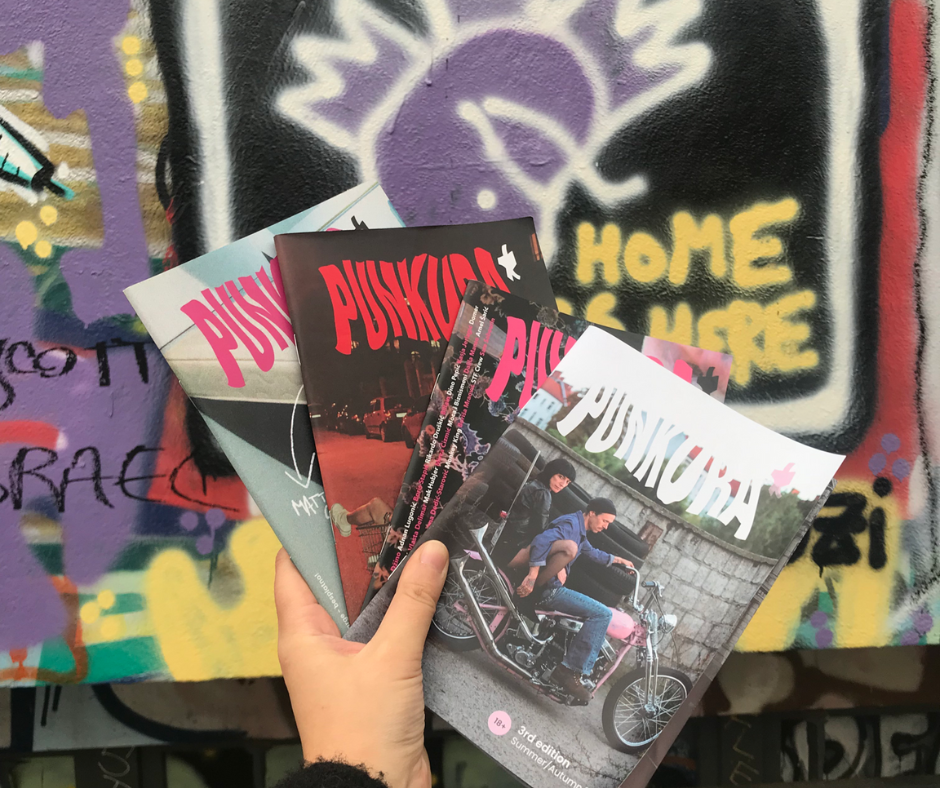
Sarajevo’s PUNKura a magazine is an authentic witness and subculture promoter in the capital of Bosnia and Herzegovina.
The idea for the magazine emerged from a shared sense that Sarajevo needed a medium, a tangible record, to capture and showcase the city’s contemporary creativity.
As its founders Adrian Pecotić and Nardina Zubanović point out, their motivation came from the lack of popular media outlets addressing young people and mapping Sarajevo subculture.
“We believe that having a print magazine on the streets can help create a new cultural identity in the city,” say the editors.
PUNKura publishes about music, skateboarding, street art, and nightlife, but also about mental health, relationships, and the politics of public space. The editorial office describes the magazine as rejecting superficiality in the pursuit of truth, honesty, and authenticity.
“Our wish is for the magazine to become a communication platform that attracts creative people of all ages,” say the editors.
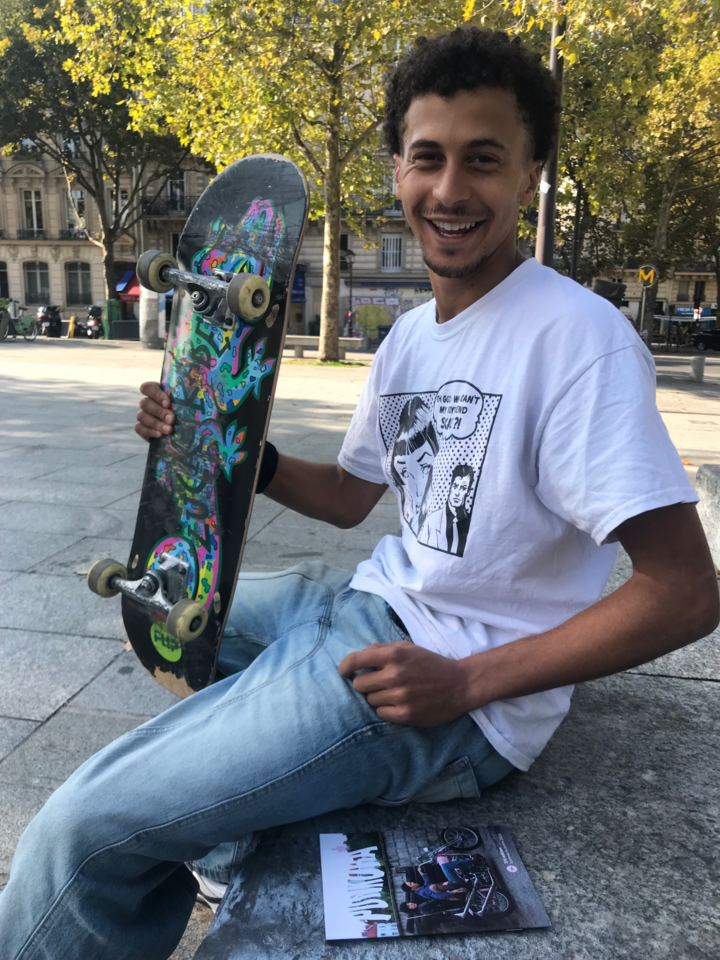
From the beginning, PUNKura has nurtured the idea of openness and cooperation. Its pages contain essays, poetry, comics, interviews, and art by young and independent creators. Special space is allotted for feminist expression, alternative fashion, and the fight for non-commercialized public discourse.
The third and latest edition of PUNKura, published in late August 2025, was presented at the 20th Pitchwise Festival of Women’s Arts and Activism, held at the Historical Museum of Bosnia and Herzegovina. The cover of this edition was signed by Melanie Sapina, and designed by Šejla Bratić, with the assistance of Kenan H. Omerović and Anja Oršolić.
The third edition features interviews with musicians, essays on everyday urban life, visual art, poetry, and comics documenting the alternative culture of Sarajevo. PUNkura is supported by numerous independent and local businesses, including the French Institute, Foundation Impact, Austrian Cultural Forum of Sarajevo, HairEtic Studio, Kawa, Fildžan Pun Obskurnosti, Mustre i Šare Tattoo & Piercing studio, and Hemingway’s Bar, among others.
What sets PUNKura apart from similar initiatives is its broad domestic and international presence. Apart from Sarajevo, the magazine has been launched in Mostar, Banja Luka, Vienna, and Douarnenez, France. The creative process behind the magazine was documented in a film shown at this year’s Sarajevo International Film Festival.
“Our goal is not only to document, but also to connect,” explains Zubanović, co-editor of the magazine. “PUNKura is a meeting and exchange space – a place where new stories, styles, and worldviews are created.” In this spirit, PUNKura is not only a magazine, but also a manifesto – a symbol of a generation that believes in the power of words, images, and togetherness.
At a time when attention is increasingly wasted on screens, PUNKura elevates the importance of print and shows that paper, the smell of ink, and the touch of the page can still be revolutionary. Its existence shows that Sarajevo, a city that has always created on the edges, still has the strength and courage to speak its own language – the language of the streets, music, and art.