Identity-based violence and its causes continue to be a widespread issue throughout the Western Balkans, even thirty years after the end of the wars in the 1990s.
Instead of diminishing over time, the ideology that drives this violence has become more widespread around the region. In order to combat these hateful thoughts and actions, there needs to be concrete efforts from multiple sectors of society.
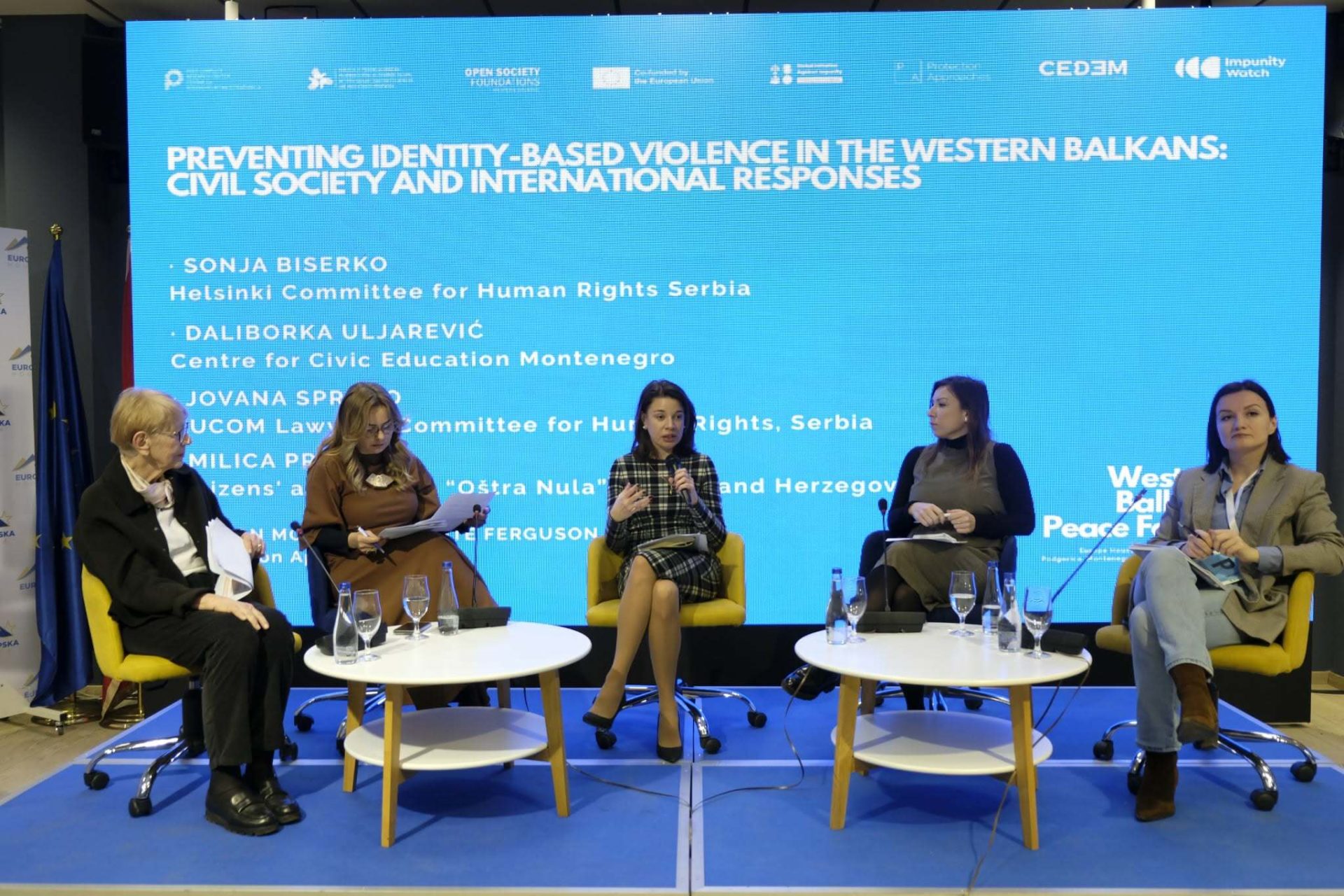
The inaugural Western Balkans Peace Forum took place in Podgorica, Montenegro on March 3rd and 4th and included panelists from throughout the Western Balkans. The first panel, “Preventing Identity-Based Violence in the Western Balkans: Civil Society and International Responses,” discussed the causes of identity-based violence and how civil society organizations throughout the region are working to combat it. The panel was moderated by Kate Ferguson, the Co-Executive Director from the UK-based charity Protection Approaches.
The Forum was organized by the Post-Conflict Research Center (PCRC) in partnership with Protection Approaches (UK) and the Center for Democracy and Human Rights (CEDEM), with the support of the Open Society Foundations Western Balkans and the European Union through the Global Initiative Against Impunity. Conference participants included representatives of 25 non-governmental and international organizations from Bosnia and Herzegovina, Croatia, Serbia, Kosovo and Montenegro, as well as peace activists fighting for youth empowerment, human rights, civic and systemic better education.
“There is a sort of understanding that national hatred has become part of the national folklore and the problem here is that we are starting to see that in the decision making of the institutions, especially courts that are trying to explain that something that is obviously hate speech, is considered a part of folklore”, explained Jovana Spremo, Advocacy Director at YUCOM Lawyers’ Committee for Human Rights.
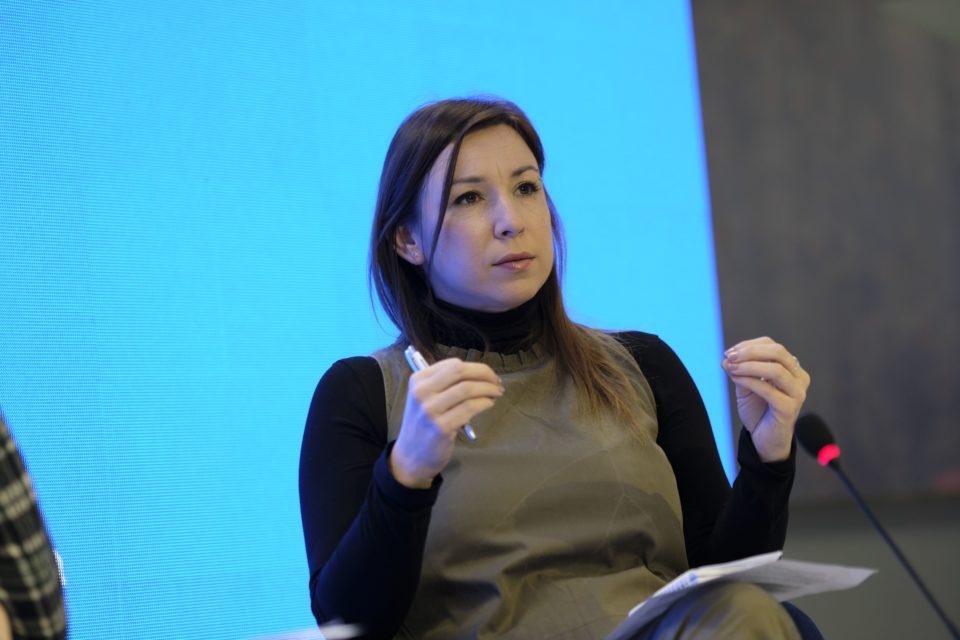
Further, she illustrated that hate speech has become normalized, making it harder to move forward in the future, since there is little to no prosecution.
However, Spremo noted that, in her eyes, the biggest positive step in bringing the nations that live in Serbia closer are the student protests in Serbia. “This is something to be supported more, also by other regional states, and this is a really small flame of hope, the only small flame of hope that we have, since hope in institutions is very low,” said Spremo.
Daliborka Uljarević, Executive Director of the Centre for Civic Education Montenegro, echoed Spremo’s points about how revisionist narratives based in hate are becoming more widespread. She specifically called attention to how these narratives are infecting the minds of young people:
“We have the glorification of convicted war criminals like Radovan Karadzic and Ratko Mladic, and institutional silence in the face of these revisionist narratives. This is the thing that is actually quite dangerous because it transmits unresolved conflicts to younger generations because we don’t have this appropriately addressed within the education system.”
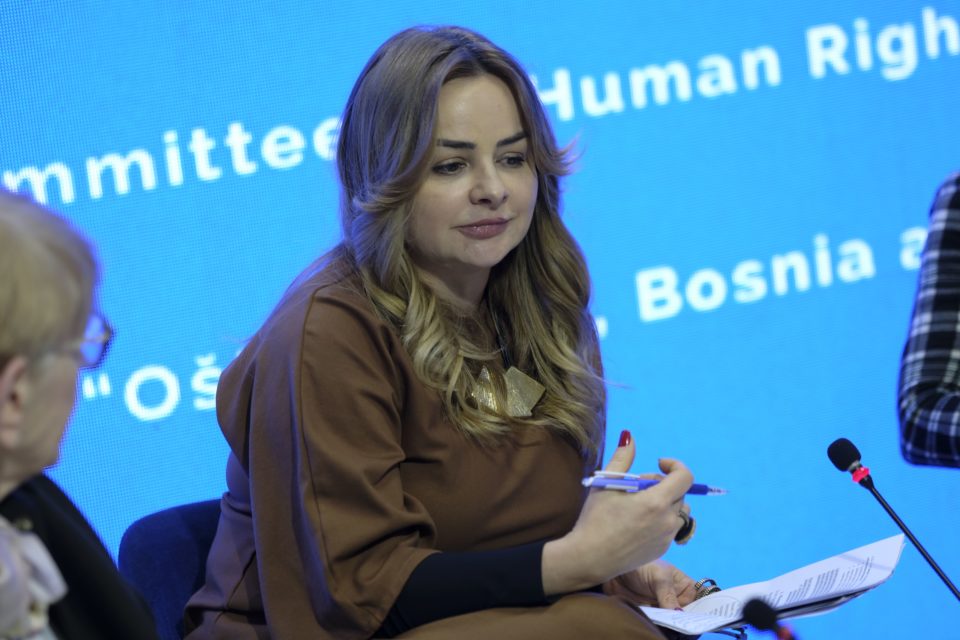
Even though the war ended thirty years ago, the same tensions that fueled that conflict are being passed down to young people who were not even yet born at the time of the war.
Because of the lack of education surrounding the wars, hateful narratives continue to spread, especially through digital communications, concluded the panelists. With the increase in hate speech online, misinformation, as they pointed out, is becoming a major source of information for many groups within society, not just young people. Uljarević emphasized the need to invest in civic education for people of all ages in order to combat hateful rhetoric and rising tensions across the region.
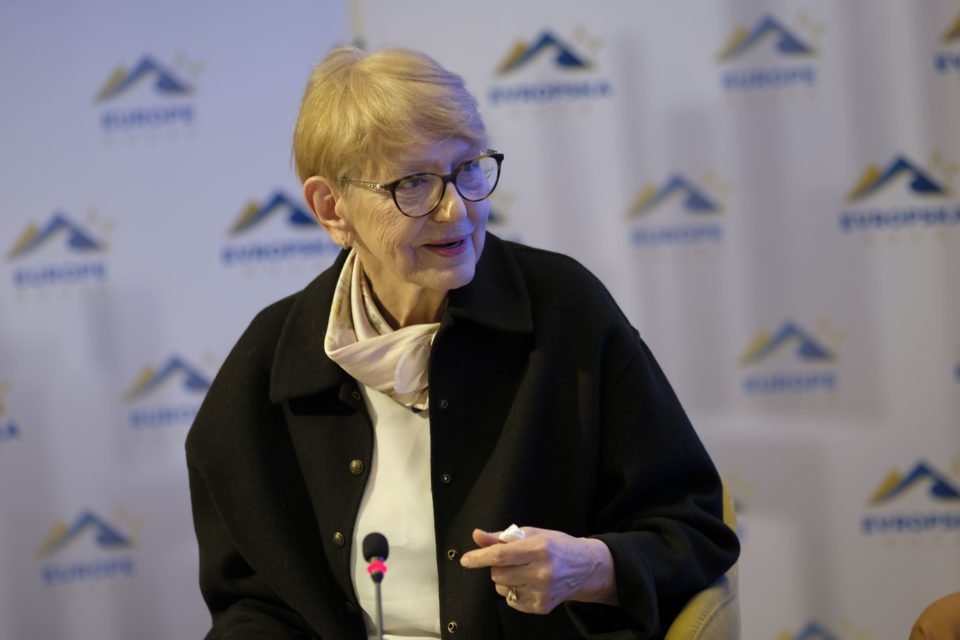
Sonja Biserko, founder and president of the Helsinki Committee for Human Rights in Serbia, also spoke about the importance of youth when it comes to addressing these deep-seated issues. “In order to have this new generation understand what was in the past, we have to work with them very intensively, but we don’t have support for that,” Biserko explained. She also elaborated on the educational programs created by the Helsinki Committee for Human Rights Serbia, including their regional human rights schools. She emphasized the importance of bringing youth from different regions together to learn about their shared history, saying “the younger generations know little or nothing about Yugoslavia, and the legacy is still there and unresolved.” Without addressing the past, there is no way to move forward.
Milica Pralica, President of Citizens’ association Oštra Nula, observed that “the situation in Bosnia and Herzegovina is as complex as our political system.” She added that similarly to Serbia, Republica Srpska deals with political elites that use every mechanism to work against independent journalists, activists, and citizens.
“Identity based violence is not disappearing, but it is transforming into other types of violence in our society… Today, the most dangerous form is the dehumanising rhetoric in mainstream politics,” Pralica explained, adding “it’s very important as a civil society to work together, because there are politicians in the region, in the Western Balkans, who work together to dehumanize us, to polarize everything.”
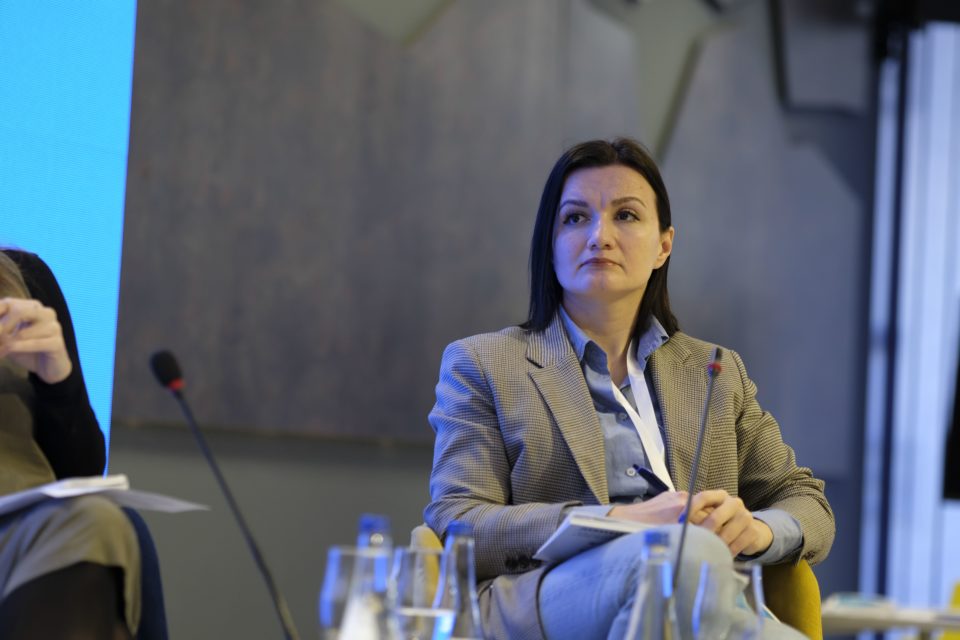
As seen around the region, people of all ages are being negatively influenced by politicians who use dehumanizing rhetoric and hate speech disguised as folklore. Student protests against these authorities are an important part of combating identity-based violence and ensuring that these conversations continue and are not silenced or forgotten. It is crucial to provide young people with an education that emphasizes judicially established facts and critical thinking in order to prevent identity-based violence.
Moderator Ferguson highlighted the importance of continuing to work towards these lofty goals: “It’s never easy, but we are in particularly challenging times, and so it does require these big goals… fundamentally we need to be changing deep structures. We need creative efforts proportionate to the threats.”
As many of the panelists noted, the issues they and their organizations are working to combat can seem endless. But this only means that civil society organizations from around the region need to continue to work together and support each other as they work tirelessly for a more peaceful future.