The culture of memory in Bosnia and Herzegovina (BiH) is not typically shared by all ethnic groups.
For survivors and victims’ families, memorials have a profound significance, but this meaning often does not extend beyond individual communities. Although this form of commemoration is important, experts warn that alone, it is insufficient for dealing with the past. However, the growing number of initiatives undertaken by civil society and educational institutions have sparked young people’s interest in memorials and common memory.
The Osmica Memorial in Vitez and the Trusina Memorial in Konjic were erected at sites where war crimes were committed against Croats. For the families of the victims, these memorials are not only places of grief, but also places of dignity, truth, and warning. This symbolism encapsulates the importance of preserving memory, but also the need to recognize and remember atrocities. At the same time, as with other memorial sites in BiH, their role within the broader social context remains limited by the absence of wider societal engagement.
For years, commemorations have been held on the anniversaries of the atrocities, primarily attended by the victims’ families and survivors. These gatherings have also included representatives of religious and political institutions, but typically only those of the same ethnicity as the victims. However, international and the civil society initiatives have led to increased interest in memorialization among young people, which raises hopes that memory can transcend the boundaries of ethnic communities and that these crimes will not be forgotten.
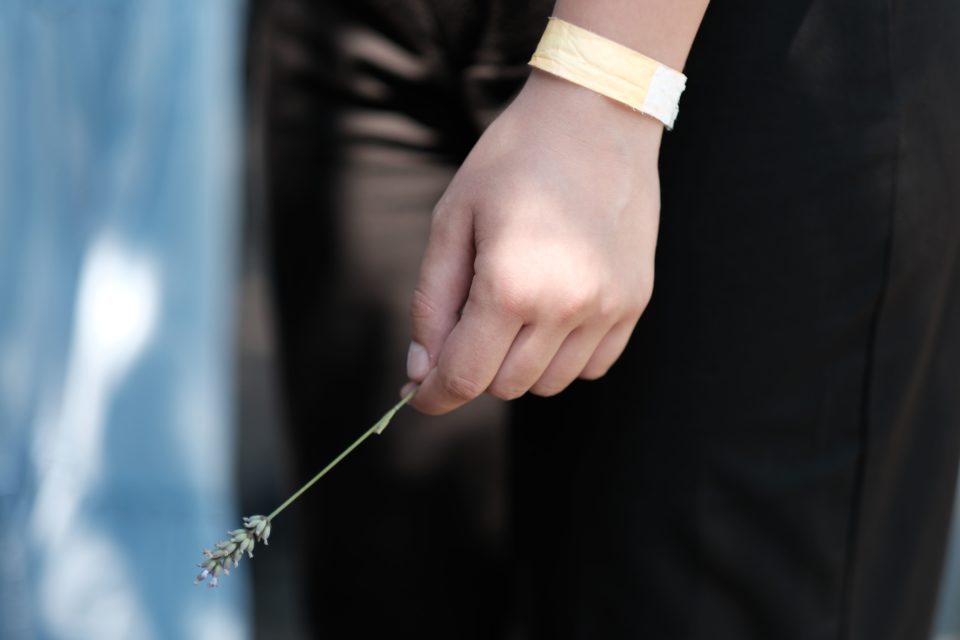
The extent to which court verdicts and judicially established facts shape collective memory and encourage broader recognition of crimes remains an open question. Matija Ricov from Nanovo rođeni [Reborn], an organization which actively participates in commemorations, believes that the judicial processes did not fully satisfy the need for justice. He explained that no one has been held accountable for the war crime committed in Trusina, which leaves the victims’ families with a sense that justice has not been fully served, especially given that crimes were committed against civilians.
Goran Šimić, professor of international criminal law and transitional justice, warns that court-established facts are rarely part of the public narrative. “People in Bosnia and Herzegovina simply don’t read the verdicts, and their opinions are formed by the media and politicians. Instead of the verdicts being the basis of collective memory, they are selectively interpreted: parts that fit certain narratives are accepted, while the rest are ignored,” explains Šimić.
According to journalist and activist Štefica Galić, the problems are not only in individual cases but in the very structure of society: “In Bosnia and Herzegovina, there are not only different interpretations of the war—there are almost parallel worlds of memory. We live in a society where each community nurtures its own narrative, and these narratives rarely overlap.”
Although common memory is still being built in BiH, individual educators who teach young people about these difficult topics in age-appropriate ways have a strong impact, encouraging empathy, reflection, and humane values.
A Symbol of Childhood Cut Short
On June 10, 1993, during fighting in Vitez between the Croatian Defense Council (HVO) and the Army of the Republic of Bosnia and Herzegovina (ARBiH), a playground was shelled, killing eight children and injuring five others. Driven by the desire to preserve the memory of the slain children, their relatives founded the Osmica Association, which erected a memorial at the initiative of the children’s families, without institutional support. Ivan Garić, whose sister was killed in the massacre, is the president of the association.
“Everything that was made was directed by the families. We built almost everything ourselves. In the place where there was once a basketball hoop, where children were playing when the shell struck, we built a basketball hoop with a suspended ball, as a symbol of childhood cut short. There is also a book with the names of the murdered children, a cross, and a guardian angel, as well as a table and benches that remind us of the place where the children sat just before the attack,” explained Garić.
He adds that the site’s uniqueness stems from the fact that it is not only a memorial, but also a space for everyday life. “Because it’s still a place where children gather and play, we made a new basketball hoop nearby so that they could still play. We wanted it to be a place of warning, but also a place of life, with a clear message that this should never happen again to anyone,” Garić said.
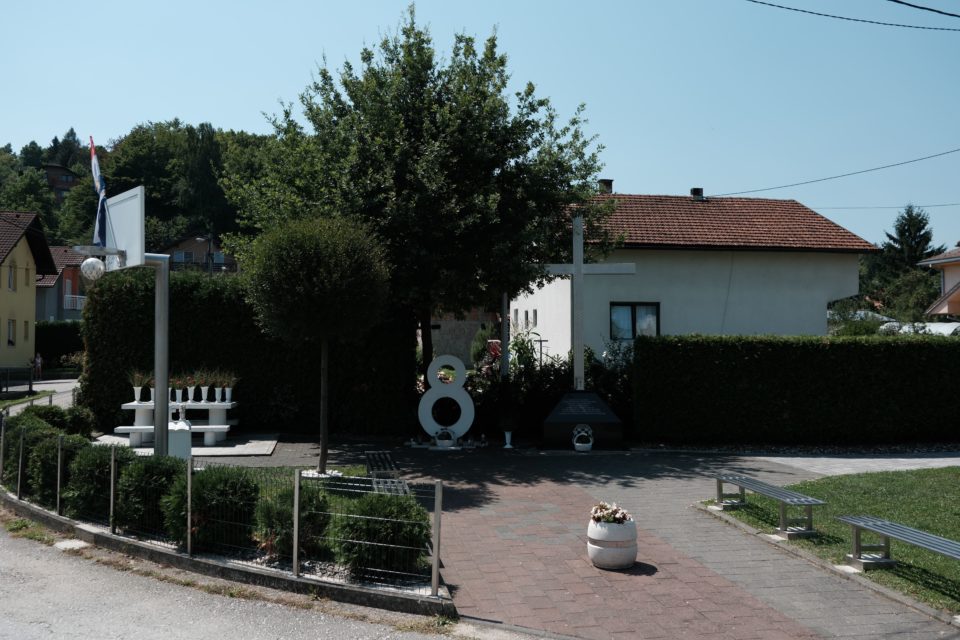
The memorial carries a special weight because it was created by members of the association without institutional or financial support. Therefore, it is not only a place of remembrance, but also a symbol of perseverance and the need to preserve the truth.
However, more than three decades after the crime, its status has not been fully resolved. Garić explains that the families were forced to launch their own initiatives to regulate the legal status of the land. “The memorial does not yet have all the necessary permits. Although we have received the support of the municipal council and collected signatures from citizens, the problem is that part of it is located on state-owned land. This is a process that has been ongoing for years and that further complicates the whole story,” he points out.
The Long Wait for Judicial Facts
In addition to administrative obstacles, families also face a long wait for justice. The indictment for the Osmica massacre was only filed last December. The Court of BiH confirmed the indictments against Mensud Keleštura, former commander of the ARBiH 325th Mountain Brigade, and Hazim Jašarević, commander of the ARBiH Brigade Artillery Group.
According to the indictment, Kleštura ordered his subordinate to carry out an artillery attack on Podgradina, which was inhabited exclusively by Croats, even though he was aware that the attack, carried out during a ceasefire and in a populated area, could lead to civilian casualties. Jašarević, it is alleged, carried out this order through subordinate members of the artillery group.
Artillery Group soldiers fired a 120 mm artillery shell from the Podlazine location in Vitez municipality, which fell on the playground in a residential area, killing eight children and wounding five others.
Both defendants have denied their guilt, and the trial for the crime is expected to begin soon, in accordance with legal deadlines.
“We all survived, survived and remained, but the question remains why it took almost 33 years for the court process to be initiated. This process brings us back to serious wounds, but at the same time we hope that it will bring justice and that those responsible will be punished,” said Garić.
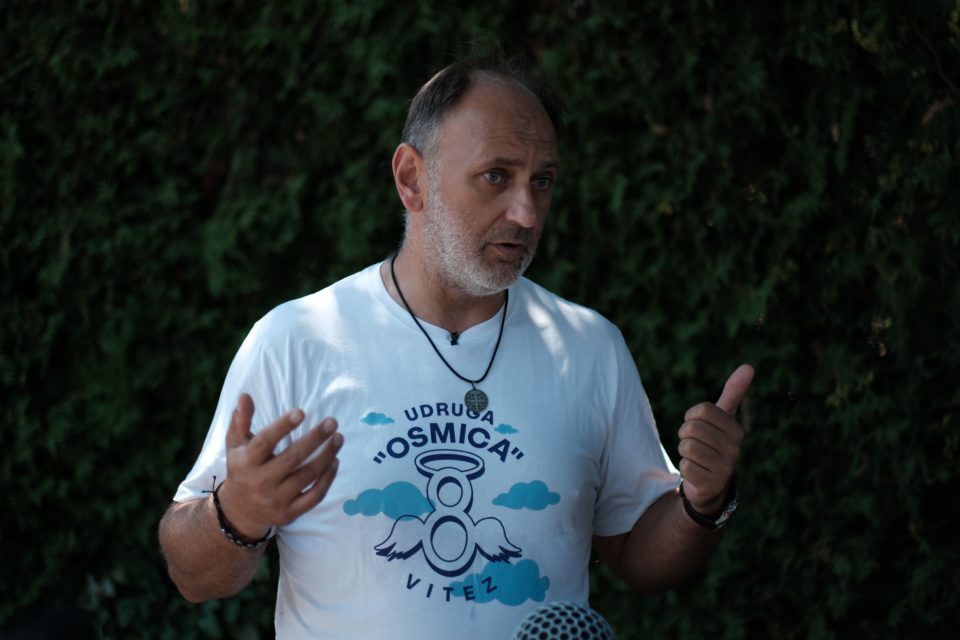
He explains that it is important that the facts be established and remain part of history, because without that, there is neither justice nor peace. For peace in this region, everyone must be ready to acknowledge the suffering on all sides.
The Court of BiH has established the facts of the war crime against civilians and prisoners of war in the village of Trusina, which was committed on April 16, 1993, when 22 Croats were killed, including 15 civilians and seven HVO soldiers. Proceedings are underway to fully clarify command responsibility.
Five people have been sentenced to a total of 55 and a half years for the crimes in Trusina. Edin Džeko, a former member of the ARBiH Special Forces Zulfikar Detachment, was sentenced to 13 years in prison, and Rasema Handanović, also a member of the Zulfikar Detachment, was sentenced to five and a half years, after pleading guilty to the shooting of six Croats in Trusina. Other members of the detachment have also received prison sentences, including Nedžad Hodžić (12 years), Mensur Memić (10 years), and Nihad Bojadžić (15 years).
According to the verdict, Bojadžić, as the deputy commander of the Zulfikar Detachment, directed the attack on Trusina. This case included Zulfikar Ališpago, the former commander of the detachment, but the proceedings were delayed due to the defendant’s illness and have not yet been completed.
Ricov believes that the convictions of direct perpetrators but not those with command responsibility creates a feeling among the victims’ families that justice has not been fully served.
A memorial has been erected in memory of those killed in Trusina. On the April 16 anniversary, flowers are laid and a prayer service is held at the monument, as well as a requiem mass at the church of St. Ante in Žitače. The commemoration of those killed in Trusina is also a reminder of one of the most serious crimes committed against Croats in the area of Konjic municipality.
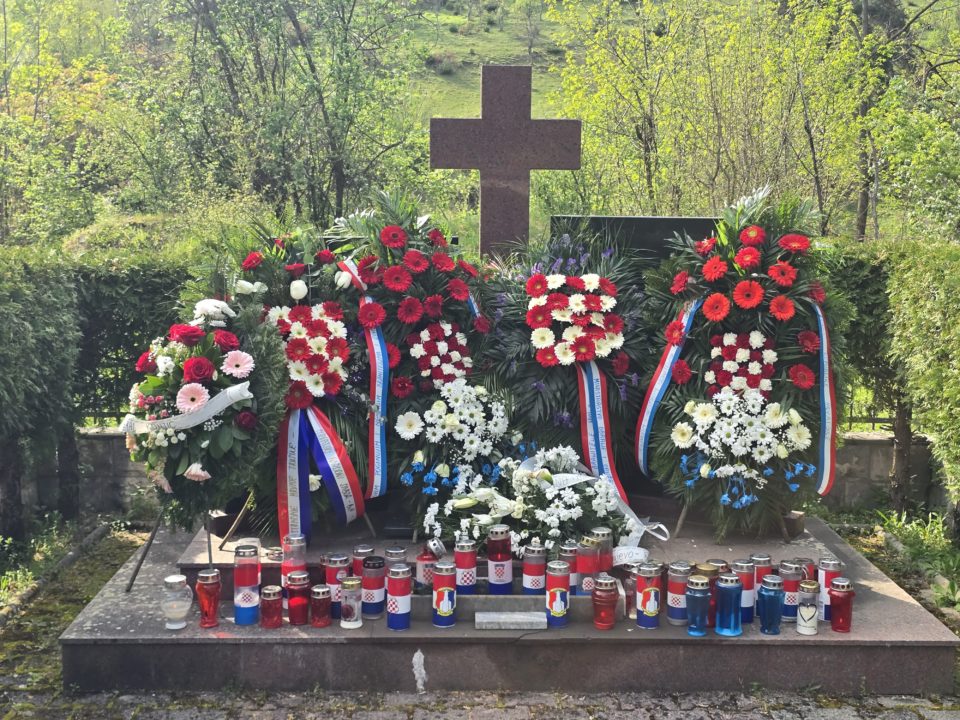
Nanovo rođeni tries to connect memory with the spiritual and social healing process.
“We try to talk with the families, to encourage them to preserve the memory, but also to find the strength to forgive. Through truth telling, but also through repentance and forgiveness, we try to open a space for reconciliation and coexistence,” Ricov explained.
He said that commemorations also have an important educational dimension, especially for young people. “Young people show great interest in these topics. Although the testimonies are often difficult and shocking, they want to hear the truth and make their contribution so that such evils never happen again,” said Ricov.
Educational institutions also play an important role in bringing the culture of memory closer to young people. Olgica Krezić, the principal of Dubravica Elementary School in Vitez, explained that their school currently has 224 students distributed in 14 classes, and a special focus is placed not only on education, but also on educational values such as respect, responsibility, solidarity, and tolerance. “We believe that in addition to education, the school plays a key role in the formation of a child’s complete personality, which is why we strive to create a stimulating and safe environment in which every student can develop their potential,” Krezić points out.
In this context, visits to memorials have an important place in the educational process. “Students from our school visit the Osmica Memorial twice during the school year—on All Souls’ Day and on the eve of Easter. Usually, classes are accompanied by a teacher, and the goal is for the students to learn about local history in a dignified way and develop a culture of remembrance and respect for the victims,” she explains.
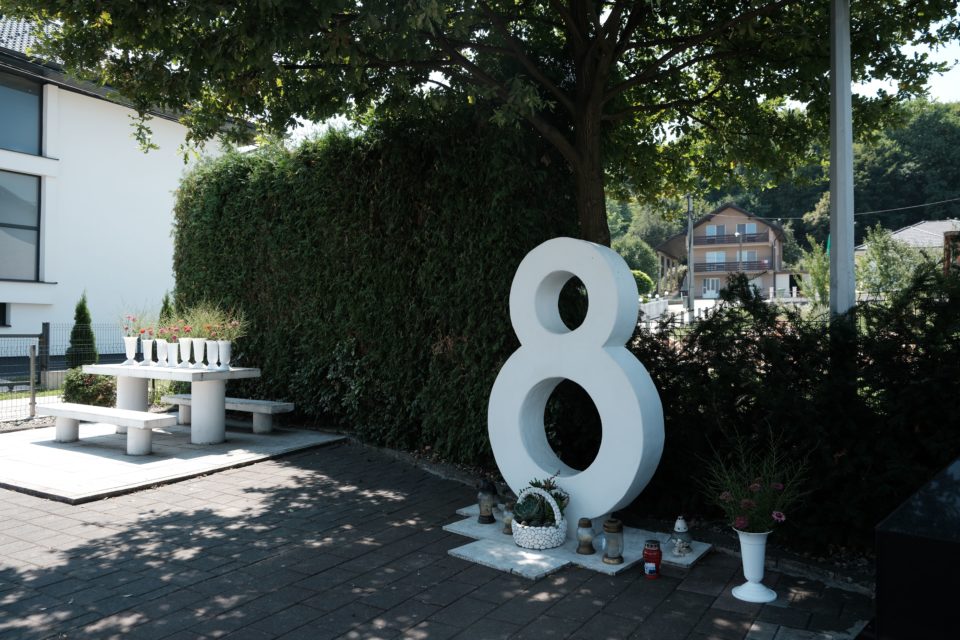
She pointed out that such experiences have a strong educational impact, as they promote age-appropriate learning about the recent past while encouraging empathy, reflection, and the development of humane values.
Although the visits are most often focused on local places of suffering, students have the opportunity to learn about the wider context through school activities. “The most important thing is to develop respect for all victims, regardless of their ethnicity. Children need to learn empathy, understanding, and a culture of dialogue, because these are fundamental values for building a tolerant and peaceful society,” she asserts, adding that, in addition to Osmica, the students have also visited other memorials, including those commemorating the suffering of members of other ethnic groups.
Along with local school visits, Garić noted that they receive visits from young people from neighboring Croatia, especially on the eve of All Saints’ Day, All Souls’ Day, and the anniversary of the atrocity. The High Representative in BiH, Christian Schmidt, also paid tribute to the murdered children during a visit to the memorial in July 2023.
Garić added that visits by non-governmental organizations are also organized from time to time. According to him, this practice, although significant, shows that the educational role of memorial sites is still not systematically regulated.
Judicial Facts Not Reaching Wider Society
As for the extent to which judicially established facts are part of the public narrative, Professor Šimić says that this is rare, and that the vast majority of people do not have an accurate perception of what really happened.
“Collective memory is not based on facts but on interpretations, which, in the long-run, prevents any serious process of dealing with the past,” Šimić observed.
He explained that when a final verdict is issued, this should be the basis for commemoration. However, in cases where there is no final verdict, such as the Osmica crime in Vitez, the question arises of how to commemorate an event without entering into interpretations that are not legally established.
Galić points out that we live in a society where each community nurtures its own narrative, and these narratives rarely overlap. Memorials, as she explained, are extremely important for the victims’ families because they preserve dignity and memory. However, without wider social and institutional support, she believes that these places remain isolated to specific communities and do not become part of common memory.
Galić sees truly dealing with the past as requiring much more than local initiatives. “It’s necessary to acknowledge the suffering of all victims and open space for dialogue. Without this, space remains for denial, and denial deepens mistrust among people in the long term,” she warns.
Between Selective Memory and Possible Dialogue
One of the key problems in BiH is the fact that commemorations rarely bring together members of different communities. Ricov believes that multi-ethnic visits are still the exception, not the rule. “Unfortunately, it still happens that if someone goes to a commemoration of another people, they are perceived as a traitor. That’s why people often avoid such gestures, even though they could be an important step towards reconciliation,” he noted.
While there are examples of such practices, they often remain invisible. “As a community, we have also visited the sites of crimes committed by the HVO, asked for forgiveness, and repented, but without public attention. We believe that reconciliation must come through truth, but also through forgiveness,” Ricov added.
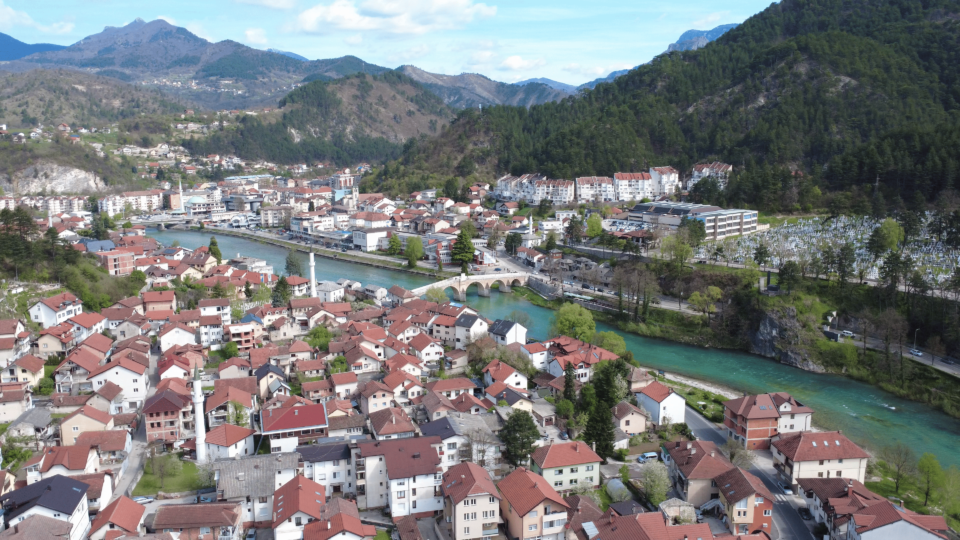
Despite the numerous challenges, all interlocutors agree that memorialization can play an important role in the process of dealing with the past – but only if it goes beyond the framework of selective memory.
According to Galić, “recognizing the suffering of others does not mean diminishing one’s own, but rather demonstrating the moral maturity of society.” Garić concurs, emphasizing that the willingness to accept the suffering of all sides is crucial for the future.
In a country where both the past and memory are divided, such attitudes point to the possibility of a different approach – one that does not erase differences, nor use them to deepen divisions, but rather to build understanding.