Memorialization in post-conflict societies is often neglected. At the same time, memory is one of the most efficient tools to define the present and legitimize the current sociopolitical environment.
Therefore, as John Gillis, a historian, said, memory is “necessarily political.” This is why political elites often move first in legalizing and institutionalizing memory, while the initiatives of bottom-up actors such as domestic civil society organizations and the public are not mobilized in significant numbers.
Once the memory landscape has been established through hard laws and the active use of state institutions, the track record of post-conflict memory activism in bringing about substantial changes in official narratives does not seem very positive. We see variations of this phenomenon in multiple states and regions, including the genocide memory monopoly in Rwanda under Paul Kagame’s near 30-year rule since 2000, and the continuing failure to establish a functioning Truth and Reconciliation Commission (TRC) and the Commission of Investigation on Enforced Disappeared Persons (CIEDP) in Nepal despite the relentless activism of victim groups and domestic NGOs.
Thus, the Western Balkan region is probably one of the best settings for memory scholars and political scientists to conduct comparative case studies. How does the implementation of different sets of political and legal measures after conflict bring about massive differences in institutionalized memory, while states in the region share the same historical background (the demise of the former Yugoslavia and the wars of the 1990s)? This is a crucial question for cross-border learning and for advocacy groups to design their strategies, target the right policies, and reinforce efficiency in public mobilization.
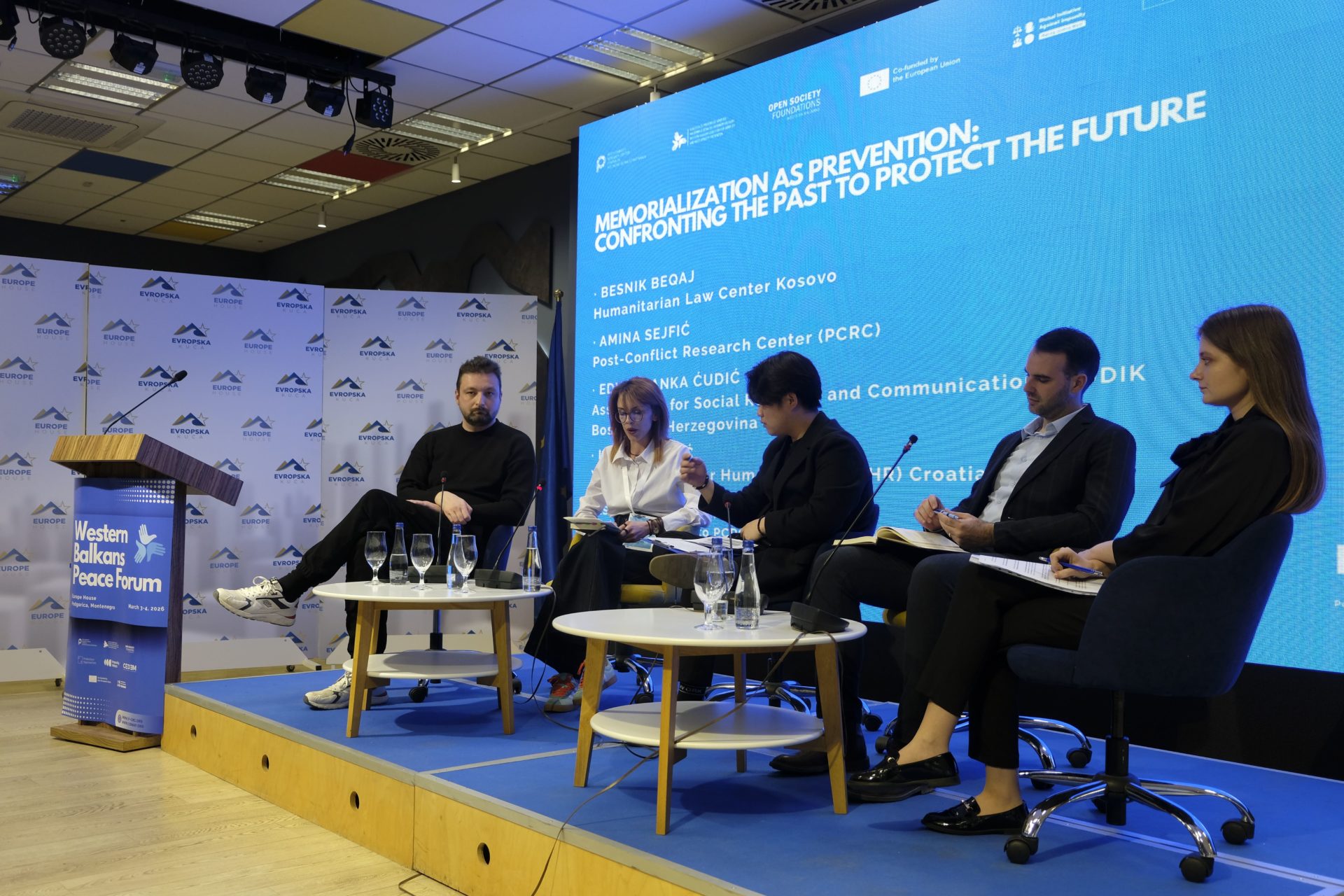
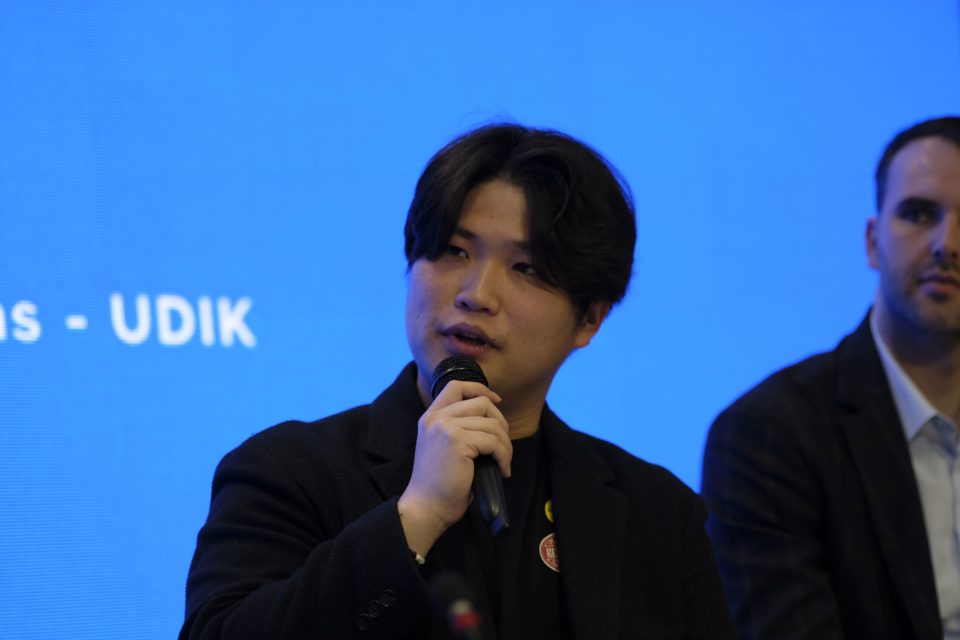
In that sense, the third session of the Western Balkan Peace Forum was a golden opportunity for key civil society actors from the region to discuss the status quo in three different states (Bosnia and Herzegovina, Croatia, and Kosovo), discover common challenges, and promote effective measures for memory advocacy. Entitled Memorialization as Prevention: Confronting the Past to Protect the Future, the session dealt with a plethora of issues revolving around post-war memorialization, addressing political and institutional barriers and opportunities, the increasing importance of truth, and the role of education in nurturing future generations in the Western Balkans. This article reflects the discussions that were held during the session under the author’s moderation on March 6, 2026, in Podgorica, Montenegro.
Ethnic Apartheid: Fragmented memory in BiH
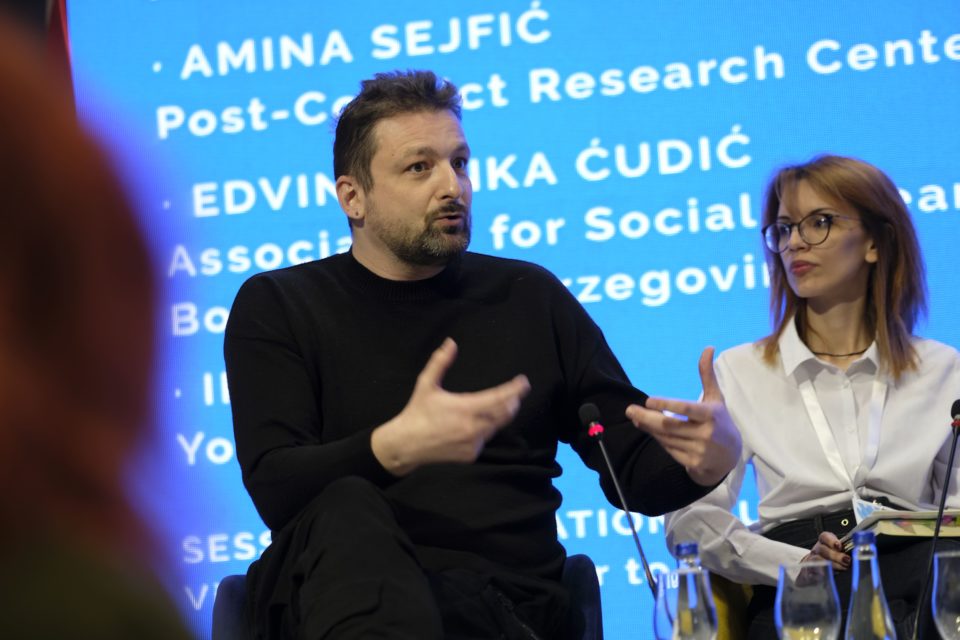
Post-war politics, more precisely the political arrangement among conflict parties and how such arrangements are implemented in post-conflict societies, often serve as one of the most crucial indicators for predicting the systematic trajectory of institutional memory. Bosnia and Herzegovina, probably the most observed case in the region by international academia, is where the long-term implication of such a political setup is highly evident. Edvin Kanka Ćudić (President of the Association for Social Research and Communications Bosnia and Herzegovina (UDIK)) defines the memory landscape of BiH as “ethnic apartheid,” where memories are highly fragmented and segregated not only among but also within the three constituent peoples. This originates from the fragmentation of state and cantonal institutions, which has created a legal vacuum on the issue of memorialization and the protection of memory artefacts. In such lawlessness, regional political actors feel neither risk nor external pressure in erecting monuments that represent their ethno-nationalist narratives and destroying those that do not.
Ćudić further raises the example of Brčko District, where there are three monuments for conflict victims from each ethnic group, and says, “Having three different war memorials in a single city is now not a problem. But this is going to be a problem in the future,” as “we didn’t have a single winner…and the ethno-nationalist parties will use memorialization as a means of manipulation.” As Ćudić points out, the conflict between the ethnic groups indeed seems to have moved its frontline from the battlefield to the realm of symbols, narratives, and emotions. The continuous vandalism of the partisan cemetery in Mostar and the inaction of the city and cantonal government is a prime example, while the glorification of Ustaše memory and others are well known. On the other hand, in Republika Srpska, the problem of selective remembrance and genocide denial continues. The Kazani memorial erected following a decision by the Sarajevo City Council, according to Ćudić, carries a risk of self-victimization that inflicts greater harm on inter-group reconciliation.
As such, the case of BiH clearly shows us that memory is not merely made up of narratives and personalized accounts, but when held by those who have power and resources, it becomes a very handy tool for justification, propagation, and perpetuation of identity politics. When power and interest give direction to political actors, institutions provide a venue for such motivations to be realized in real-world settings.
The Role of Truth in Postwar Context
One question related to the ongoing trend of memory abuse in the Western Balkans, not only in BiH but in other states as well, is the role of forensic truth. The International Criminal Tribunal for the former Yugoslavia (ICTY) collected countless cold facts, and they are archived and digitized. When such findings exist and serve as a historical reference point, how can such abuse possibly take place in these states? Besnik Beqaj (Program Manager at the Humanitarian Law Center Kosovo) sheds light on the challenge of diffusing forensic truth within a society. The biggest problem with the ICTY findings in Kosovo is accessibility.
Beqaj, while saying that “there are so many confirmed final verdicts from the ICTY that some of them have been used to inform the general public about the past, but still, there are lots of data not being used,” raises an important criticism that there is a lack of effort to transform objective truth into digestible narratives that the public can consume.
This also causes a problem of memory vacuum in Kosovo, as it did in BiH. An analysis published in 2021 showed that there is “no rule nor a law that regulates the standards on how memories should be managed.” In fact, Kosovo’s memory culture heavily revolves around military victory and heroism, while the memory of civilian suffering and victims is pushed away from state institutions. The number of victims and perpetrators is intentionally inflated or deflated to change, justify, or relativize wartime events, and the nameless are likely to be perpetually forgotten in official memory.
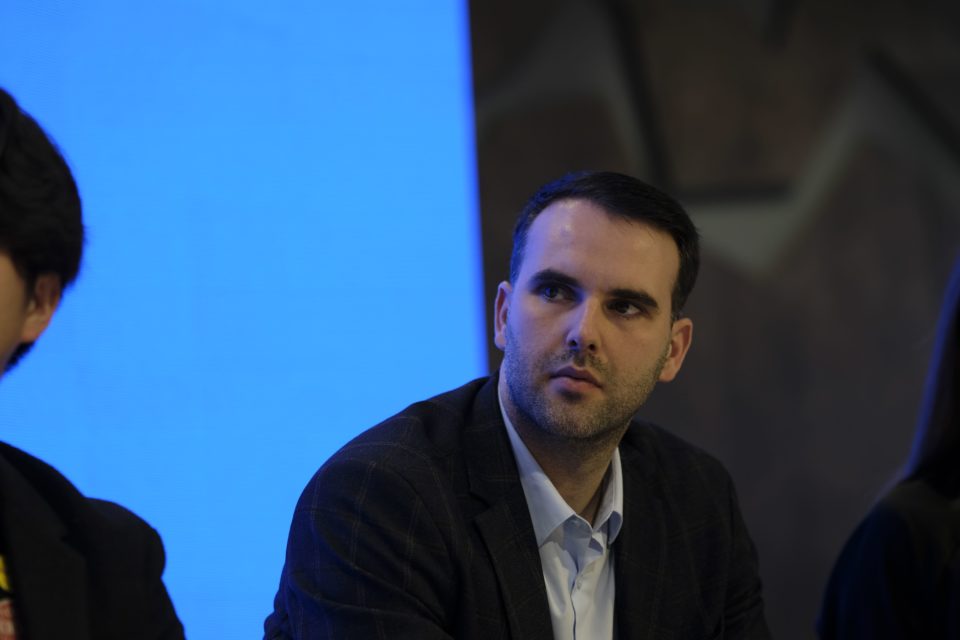
While tackling the one-sided memory of glorious heroism and collective victimhood in Kosovo, Beqaj emphasizes that the new generation in Kosovo is more open to critical views about the country’s past and thus should be exposed to a plurality of narratives through both formal and informal educational opportunities. Yet, the challenge lies in the mechanism through which victims and perpetrators, who have assumably very different motivations and interests in postwar society, can be motivated to sit at a negotiation table and come to an agreement. Can state intervention, or even international intervention, somehow contribute to this process so that fragmented, competitive mnemonic actors and narratives find a common ground?
International Intervention in Memory: A Complex Picture
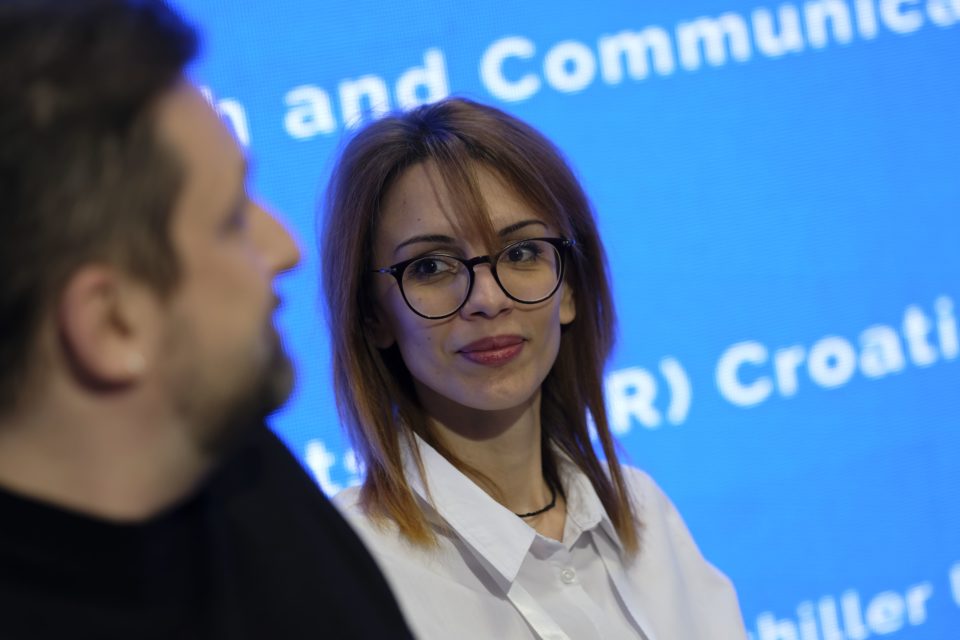
Iris Knežević (Executive Director at Youth Initiative for Human Rights (YIHR) Croatia) shares a brief picture of the impact of Croatia’s accession to the European Union (EU) on its memory landscape. As the EU aims not only for an economic community but also for a community bound by shared values, it demands a variety of legal and policy reforms. Among all “chapters” of such reform demands, closing Chapter 23 was especially difficult for Croatia, as in addition to other requirements such as judicial reform, anti-corruption, and the protection of fundamental rights, it also included full cooperation with the ICTY. This caused heated opposition from domestic nationalist groups, yet Croatia managed to close Chapter 23 in June 2011. Knežević admits that European membership has indeed been a push factor for legal reforms and new policy initiatives to qualify the state as a new member state of the European Union. However, what she points out is that EU accession is not, and has never been, a magic bullet that somehow solves all the problems that prevent the memory landscape from transforming itself into a more civic and inclusive one.
What can be changed by such external interventions are the institutions and the rules that govern the functions of those institutions. But they cannot change the minds of those who use these rules and run those institutions. The EU gave Croatia a harsh, yet valuable, checklist, but it never meant the completion of justice. For the Croatian authorities, Knežević argues, the series of reforms were rather treated as a tick-box exercise to win the grand prize of EU accession, and the reform demands were obviously not meant to give the authorities a moment of historical reflection. The discrepancy this brought about in Croatia is a de-synchronization between modernized law that follows European standards and the social consciousness that still finds itself comfortable with the narratives of ethno-nationalism and the othering of minorities. The memory of the “Homeland War” is filled with narratives of Croat victory, and other ethnic minorities and victims do not stand on equal ground in remembrance as Croat heroes and martyrs do.
“Laws are not enough to bring about real changes that require consistent implementation. Real change requires work according to civil obligations, and the protection of civil society actors, journalists, and other actors who are trying to establish inclusive memorialization and assist in dealing with the past.”
Guiding the Future by Teaching the Past Right
What the discussion has shown up to this point is that post-conflict states, or at least political elites, have an inclination to adopt into memory institutions the conflict narratives that contribute to the consolidation of their power base, whether it be ethnic, religious, or regional. Collective memory is malleable, and it can be changed as the existing political system of a state changes. We see many examples in consolidated democracies where regime changes stimulated revisions of the nation’s own past, and such redirections reached institutional venues.
One institutional area that such changes affect the most is the education sector. Through the teaching of history and other relevant subjects, younger generations are exposed to institutionalized memory for the first time, and the impact of such input has a significant lifelong influence. However, it seems to the author that memory activism in the Western Balkans does not seem to be able to exert sufficient sociopolitical pressure on decision-makers, nor is there a miraculous way to circumvent a highly centralized or highly fragmented formal education system. In Croatia, according to Knežević’s words, history within formal education, including at universities, “has only one perspective, one scene, and that (history) can’t be simply pictured white and black.” This has resulted in a surprising rise of ethno-nationalism among Croatian youth. On the other hand, in BiH, cantonal governments have the ultimate authority to authorize textbooks and build their own curricula.
While recognizing the importance of formal education reform, is that the only way? If the classroom door is shut to prevent advocacy from intervening, what can be done to deliver alternative narratives and civic memory culture to future generations? Amina Sejfić (Project Manager at the Post-Conflict Research Center (PCRC), Bosnia and Herzegovina) argues that there are several ways this can be done. She starts by criticizing the current memory culture in BiH, in which the vast majority of memorials are dedicated to the memory of veterans from different armies. She asserts that “this (trend) actually sends a very strong, powerful message that we live in a society that, to a certain extent, still romanticizes the war.”
She further challenges the current format of education, where the major focus is on a top-down delivery of historical knowledge. Under the current fragmented system, what version of history students learn is ultimately governed by the canton or entity to which they belong, and they are unlikely to be exposed to alternative stories. The hierarchy of the school system also prevents students from questioning the views their teachers or textbooks convey.
“When you take all of these into consideration, you can definitely conclude that our young people are becoming collateral damage of our decision-makers,” said Sejfić.
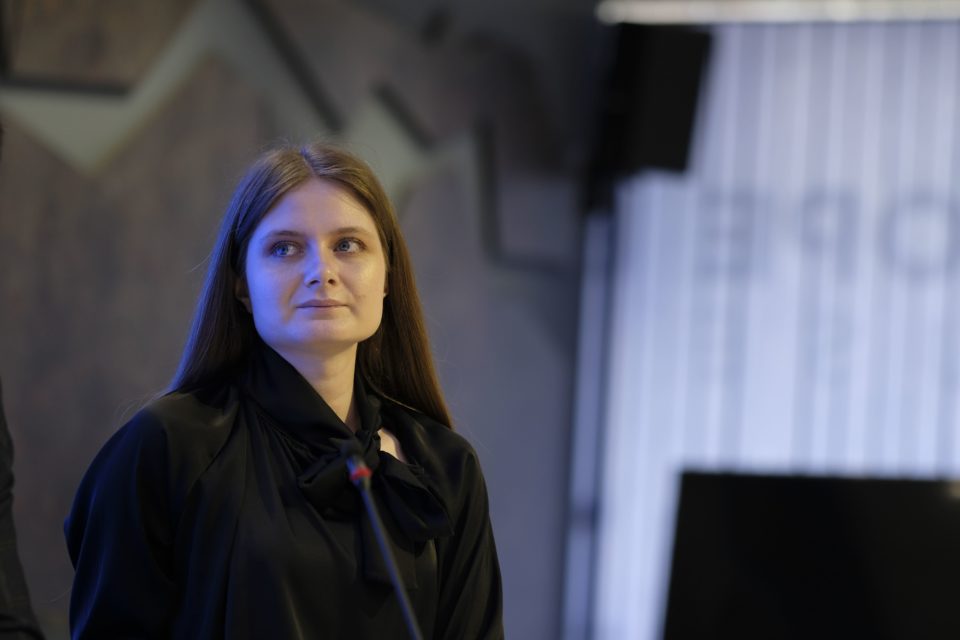
Faced with such systematic challenges, Sejfić nevertheless believes that all schools should be the place where peace education is introduced. Civil society organizations, including PCRC, on the one hand providing informal education opportunities for youth, introduced the very first pedagogical manual for peace education called Holocaust and Peace: Lessons from the Past for the Future. This became a major success in Sarajevo Canton, as the manual has been officially incorporated into the official education system and half a million students are learning from the manual.
Additionally, she emphasizes the importance of using memorials as both educational material and space even if a memorial itself serves as a “bad example” of memorialization. When a memorial delivers an ethno-nationalist narrative that serves the interest of one ethnic group in the general domestic politics of memory, educators can combine such a memorial with other vehicles of memory that put the focus on civilian suffering. This very format that PCRC utilized at the State of Peace Youth Academy event led students from Bosnia, Serbia, Croatia and Montenegro to start “questioning what they see and what they hear.” In such a way, memorials, when carefully situated within a comparative didactical framework, can be used as a teaching ground for future generations.
Sejfić’s accounts have important implications for memory activism targeted at youth. There are alternative mechanisms outside classrooms that motivate youth to broaden their perspectives and come to a shared understanding of human suffering. In a region where the memory of genocide and heinous wartime atrocities suffers from risk-free denial and convenient downsizing, reaching out to youth and preparing them is a form of resistance on which advocacy work could focus. Yet, the focus of this youth outreach is not to burden them with the guilt of their parents and place an extra burden on their shoulders, but to ask them to carry the responsibilities for the future.
Final Thoughts from the Moderator
George Orwell, in his dystopian masterpiece 1984, writes, “Who controls the past controls the future.” The idea this quote delivers has dictated the theory and practice of the politics of memory in modern times. The conventional theoretical understanding has been that political elites decide what to remember and what to forget in a top-down manner, while other actors in society do not have much say against this strong tide. According to such an argument, political decision-makers can utilize state institutions and are far better resourced than other mnemonic actors; thus, the memory regime will almost always be established in the way the powerful want it to be. However, from what I have seen in my previous fieldwork, including in BiH, the politics of memory is not a unidirectional, top-down process. It often just looks like that. My understanding of the politics of memory is rather that of a grand negotiation table at which present political actors are seated to decide what past can be or should be remembered for a better future, as each actor imagines it.
In negotiations, the type and amount of bargaining chips become important. For advocacy groups, civic mobilization is the strongest bargaining chip they can press decision-makers with. As all of my panelists agreed, memory is a means of resistance against exclusive ethno-nationalist narratives, genocide denial, and some decision-makers who sit comfortably with those narratives as they strengthen the prospect of their political survival and flourishing. The three panelists shared incredible projects they use for this resistance. But there is a common challenge of bottom-up pressure and political penetration. This concerns the amount of bargaining chips they possess. How can civil society organizations exert significant sociopolitical pressure upon central or cantonal decision-makers and have them adjust their cost-benefit calculation in favor of a more inclusive and civic culture of remembrance?
During our discussion, the panelists and I agreed that mobilization is the key. As the term “civil society” itself indicates, the true power of CSOs fundamentally comes from the level of mobilization and the capacity to encourage collective action in the demand for change. Using the already existing strong regional network, I believe that CSOs in the Western Balkans can place a heavier focus on discussing the strategic framework and detailed methods of civic mobilization. On top of that, while it is important to intervene in the process of social memory-making, it would be equally important to engage in advocacy for change in the official narrative itself. Having only one memory should not be the aim, and it never will be. Having a culture of memory in which diverse narratives can be voiced, debated, agreed with, and disagreed with in a peaceful and democratic manner is what we can call a “conciliatory convergence” of memory. That is ultimately the kind of memory culture we should strive to build.