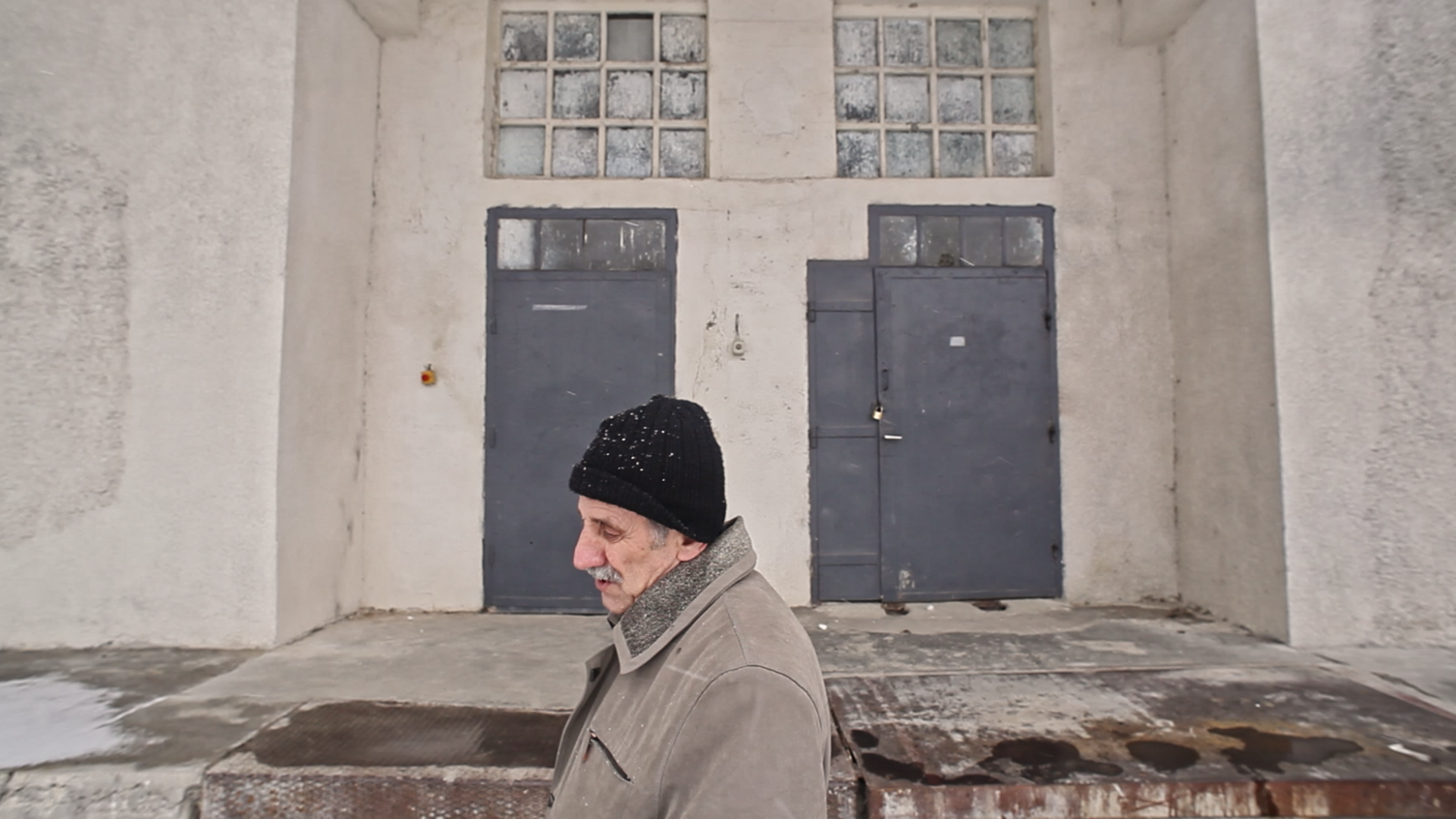
The sites of former camps and detention centers in Bosnia and Herzegovina (BiH) today either bear no sign of remembrance, remain subjects of political disputes, or are only fragmentarily recognized as places of memory.
At these locations, mostly civilians—including women and children of all ethnic backgrounds—were imprisoned, tortured, abused, and killed between 1992 and 1995, with some camps remaining operational until 1996.
According to data collected by former detainees, there were more than 1,000 camps and other detention facilities operating during the war in BiH. They were located in various buildings, including schools, military barracks, factories, grain silos, and similar facilities. The conditions in these camps were inhumane. People were crammed into confined spaces without basic hygiene provisions, with minimal food and sometimes no food for several days, living in constant fear of being beaten, abused, taken to forced labor assignments often on the front lines, or killed.
More than thirty years later, many of these camps and detention sites are visited only on the anniversaries of their closures or when detainees were released or exchanged, or during activities organized by civil society organizations as part of projects related to memorialization and transitional justice.
This article covers four former camps: the Silos near Hadžići where predominately Serbs but also Croats were imprisoned; Sušica in Vlasenica and the Heliodrom in Mostar, where mostly Bosniaks were detained; and the NK Iskra Stadium in Bugojno, where the majority of detainees were Croats. The facts surrounding these four camps have been judicially established, with verdicts confirming what happened there and what inmates survived.
Nevertheless, years later, access to some of these detention facilities as sites of remembrance is not allowed. Most often, only members of the inmates’ ethnic groups mark anniversaries, lay flowers, pray, and light candles. Local communities rarely talk about what happened in these camps. Remembrance and acknowledgment of these crimes by neighbors of different ethnicities than the victims and survivors is almost non-existent.
Why is this the case? Ivo Josipović, former Croatian President and professor of criminal law at the Zagreb Faculty of Law, says that full reconciliation has yet to be achieved. Moreover, crimes continue to be divided into categories of “ours” and “theirs,” precluding an awareness that all atrocities are unconscionable, regardless of who committed them, and that all perpetrators should be punished according to the same standards.
Speaking about the importance of the culture of remembrance, which also includes visits to detention facilities and camps, Fran Gregorić (25) from Zagreb stressed the importance of remembering all those whose lives were violently cut short and who never had the chance to live out their days as they wished because they belonged to the “wrong” ethnicity, religion, sexual orientation, skin color, or political group.
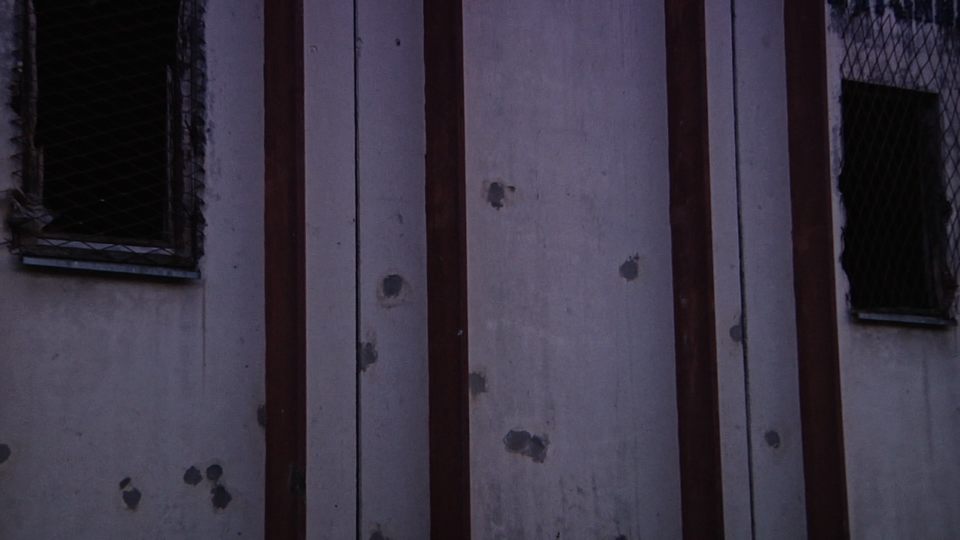
A similar opinion is shared by Thomas Marku (32) from Pula, Croatia, who noted that visiting sites of suffering from various conflicts provides a completely different dimension of reality that neither books nor archival video recordings can ever fully capture.
“It’s important to see these places in person and to speak with people who witnessed those tragic events. It gives enormous weight and seriousness to everything, and afterward, it’s difficult to forget these encounters. It’s important to visit these places and see the consequences of war even more than thirty years later, as well as to understand the gravity of war and the fact that there are no real winners in war,” Marku said.
The importance of visiting sites of suffering is also emphasized by Filip Ruškuc (19) from Novi Sad, Serbia:
“Of course, it’s essential that young people, regardless of their nation or religion, visit places of suffering, because that’s the only way they can see and understand with their own eyes, so they are not manipulated by those who did the same in the 1990s or by new figures who may attempt to do it in a similar way.”
Five Years of Commemorating the Silos Camp
According to 2021 research by the non-governmental organizations Transitional Justice, Accountability, and Memory and the Center for Democracy and Transitional Justice, which was based on more than 50 sources, around 1,500 camps, prisons, and other detention facilities existed during the war in BiH. Some 300-350 of these locations were listed in the cases of the International Criminal Tribunal for the former Yugoslavia (ICTY), later the International Residual Mechanism for Criminal Tribunals (IRMCT), while others received their judicial epilogue before the Court of BiH.
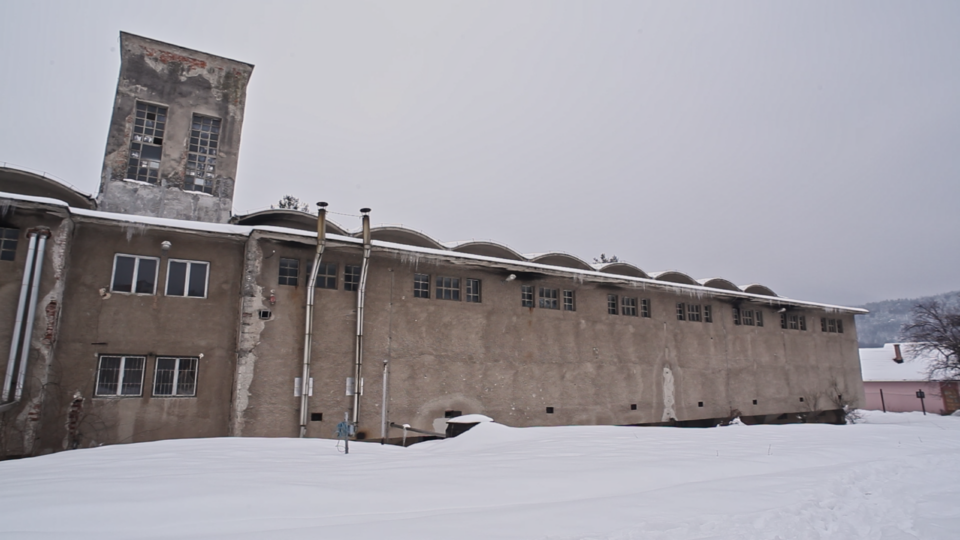
In former grain silos in Hadžići Municipality, civilians and soldiers of mostly Serbian but also Croatian ethnicity were imprisoned between May 1992 and January 1996. According to the BiH Prosecutor’s Office, at least 500 Serb civilians and at least 90 Croats were detained in the Silos for periods ranging from one to 1,334 days. The Silos camp was closed in January 1996, when the last 46 Serb detainees were released.
For the unlawful detention and inhumane treatment of Serb and Croat civilians detained in the Silos, the Krupa barracks in Zovik, and the 9 May Elementary School in Pazarić, the Court of BiH sentenced Nezir Kazić, Fadil Čović, Bećir Hujić, Mirsad Šabić, Halid Čović, and Nermin Kalember to a total of 42 years in prison. Šerif Mešanović, the former warden of the Krupa camp, was also charged with the same offense, but his case was separated due to health complications and he was sentenced to six years in prison.
Mustafa Đelilović, the former president of the Hadžići Municipal Assembly, was also indicted for actions taken in his capacity as the president of the Hadžići Crisis Staff and later the War Presidency of Hadžići Municipality. However, he died during the proceedings.
Kazić, the former commander of the 9th Mountain Brigade of the Army of the Republic of Bosnia and Herzegovina (ARBiH), was sentenced to ten years in prison, while Fadil Čović, the former head of the Hadžići Public Security Station, and Bećir Huljić, who served as the warden of the Silos Camp until August 1994, were each sentenced to eight years in prison. Mirsad Šabić, the de facto commander of the Pazarić Police Station, was sentenced to six years, while Halid Čović, the warden of the Silos after August 1994, and Nermin Kalember, a former camp guard, were sentenced to five years each.
Janko Samouković, who was detained in the Silos, noted that it was one of the longest active camps during and immediately after the war in BiH. On January 27, 1996, two months after the signing of the Dayton Peace Agreement, the Silos camp was dissolved under pressure from the international community.
“During its operation, around 650 Serbs who lived in the territory of Hadžići Municipality, from Hadžići to Bradina, were detained there. Most were taken from their homes, and some were held there until it was closed, accumulating more than 1,350 days in detention,” said Samouković, adding that only 11 of the detainees were prisoners of war.
According to him, the youngest inmate was 14, while the oldest was 85. Additionally, he notes that several women were imprisoned in the camp, one of whom was six months pregnant.
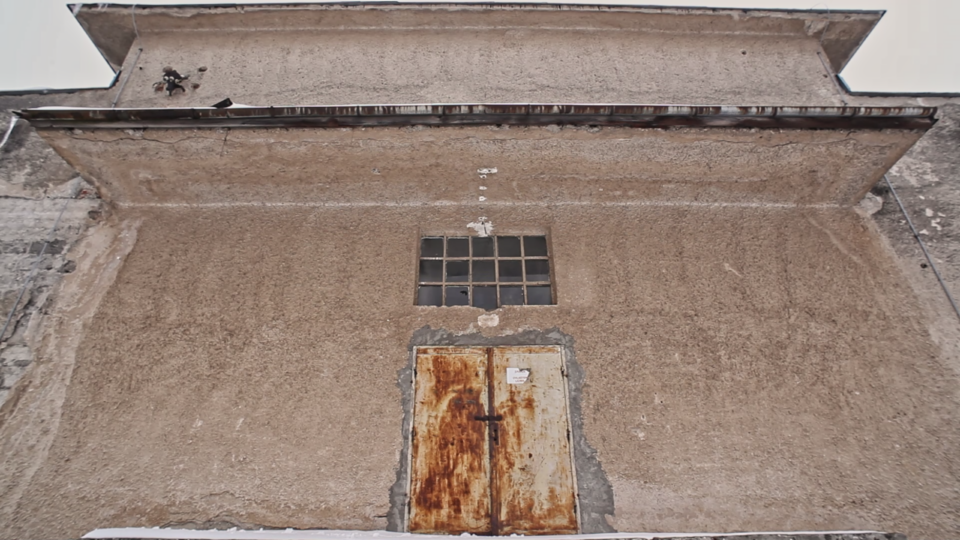
“The imprisoned Serb camp inmates were held there in extremely difficult, unsanitary, and inhumane conditions, tortured by hunger, abused, beaten, taken to the front lines as human shields (mostly to the Hrasnica or Igman areas). Of these, 24 didn’t even survive the camp,” said Samouković, who wrote a book about torture in the Silos camp.
The marking and commemoration of the closing of the Silos, as he explained, began with a modest initiative led by former camp inmates in 2021. A year later, it was taken over by the Association of Detention Center Prisoners of the Republika Srpska entity.
In early January this year, they marked the 30th anniversary of the closure of the Silos camp with a memorial service in Osenik and a laying of wreaths near the Silos.
Samouković explained that organizing the commemoration requires first securing the necessary permits, registering with the competent authorities, and arranging a police escort.
“The commemoration consists of going to the Church of St. Peter and Paul in Osenik, a few kilometers from Tarčin, which was burned during the war and later rebuilt through donations from parishioners. There, in the presence of a priest, a memorial service is held for the camp victims, after which they proceed to the gate of the Silos camp, where roses are laid,” Samouković said.

He added that as far as he knows, there have been no problems so far. The institutions issue the necessary permits and make efforts to provide adequate protection for those attending the gathering. However, some have remarked on the level of security, including the use of special police units and police transport vehicles, given that it is a peaceful commemoration.
There is a good working relationship between the organizers and competent institutions, but there is no progress toward relationship-building among local residents. As he explained, there is still a degree of suspicion and denial about what happened in the Silos camp. He believes that it is important that this place of suffering is not forgotten: “Human suffering is never good and should not be forgotten—not with the intention of creating any new provocations or conflicts, but so that it never happens again.”
Sušica: Between Memory and Oblivion
The Sušica camp, approximately one kilometer from Vlasenica, was the main detention camp where Bosniak civilians—including women, children, and even babies and entire families—were detained from late May to late September 1992. The detention camp consisted of two main buildings, one of which was a hangar measuring approximately 50 by 30 meters, as well as a small house. During its four months operations, according to judicial verdicts, as many as 8,000 Bosniak civilians and other non-Serbs from Vlasenica and surrounding villages were temporarily detained there. The hangar was overcrowded, at one point housing some 300-500 people, and the living conditions were awful.
As confirmed by the courts, some of the most serious crimes were committed in Sušica, including torture, beatings, rape, sexual violence, humiliation and abuse, and murder.
Women and children, some as young as eight years old, were usually held in captivity for a short time and then forcibly transferred to territory controlled by the ARBiH. Men, meanwhile, remained in the camp until it was closed and were then transferred to the larger Batković detention camp near Bijeljina.
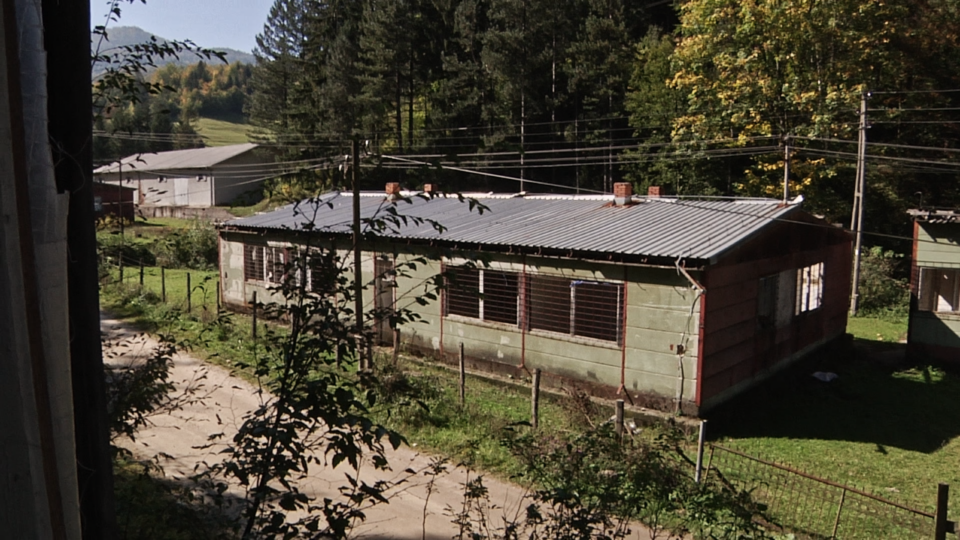
Dragan Nikolić, former warden of the Sušica camp, pled guilty at the ICTY to crimes including the persecution, murder, rape, and torture of Bosniaks and other non-Serbs in Vlasenica. He was sentenced to 20 years in prison.
Those charged with crimes committed in Vlasenica and the Sušica detention camp before the ICTY include former President of Republika Srpska (RS) Radovan Karadžić, Commander of the Main Staff of the RS Army Ratko Mladić, former President of the RS Assembly Momčilo Krajišnik, former RS Minister of Internal Affairs Mićo Stanišić, and Regional Police Chief Stojan Župljanin. Former Serbian President Slobodan Milošević was also indicted on charges related to the crimes in Sušica and Vlasenica, but he died before the end of his trial.
Karadžić and Mladić were sentenced to life imprisonment, Krajišnik to 20 years, and Stanišić and Župljanin to 22 years in prison each.
Sadžida Hasić was detained in the Sušica camp. In a statement to the Post-Conflict Research Center and Pinch Media for the archives of the Srebrenica Memorial Center in 2020, she said that men, women, and children passed through the Sušica camp, from seven to 77 years old: “They were tortured, raped, tormented, frightened, humiliated in a painful way. And they lost their lives. Their suffering remained there, their blood, their pain, their tears, everything that a criminal hand can do to an innocent person, be it a woman or a child,” Hasić said.
For crimes committed in Vlasenica, the Court of BiH sentenced Predrag Bastah, a former reservist of the RS Ministry of the Interior (SJB Vlasenica), to a prison sentence of 35 years. Goran Višković, a member of the RS military police (VP 7296 Milići), was sentenced to 20 years in prison.
The Court of BiH also sentenced Rade Garić to 17 years in prison for crimes against Bosniaks from Vlasenica and Srebrenica, and he is serving his sentence in Serbia. Simo Stupar, a former member of the reserve forces of the Vlasenica Public Security Station, was sentenced to 12 years in prison for crimes in Vlasenica and is currently a fugitive.
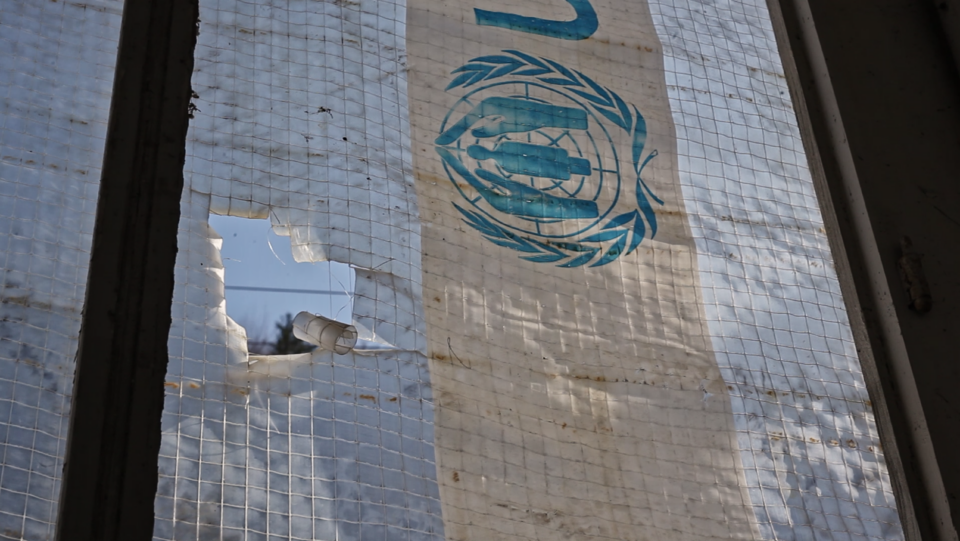
The closure of the Sušica camp is commemorated on September 21. The Association of Camp Inmates of Bosnia and Herzegovina, in cooperation with the Association of Camp Inmates of Vlasenica and the Majlis of the Islamic Community of Vlasenica, organizes the commemoration, which also includes a Peace March from Turalići, through Dobra Voda, to Sušica, as well as a visit to the Rakita martyrs’ cemetery in Vlasenica.
Seid Omerović, president of the Association of Camp Inmates in Bosnia and Herzegovina, explained that during the march, educational programs are held at significant locations such as mass graves, gathering points, and ambush sites along the route by which area residents fled through the forests toward the free territory of the Kladanj Municipality after the fall of Vlasenica.
During the 33rd anniversary commemoration, Omerović noted that in just a few months in 1992, more than 8,000 camp inmates from Vlasenica and the surrounding area passed through the camp. According to data from the International Red Cross, 1,617 people were killed there.
Moreover, he acknowledged that these numbers are not final, as subsequent research by the BiH Institute for Missing Persons and other agencies has determined that in the area of Han-Pijesak—more precisely at the Han Ploče location known as Jaruge—around 1,000 detainees were taken from the Sušica camp and surrounding areas and systematically killed.
Omerović also pointed to the unresolved status of camp survivors, stressing that there is no law that recognizes them as a separate category of civilian war victim. As a result, there is a lack of systematic protection for victims of wartime torture.
The Bugojno Stadium: Silence and Court Proceedings
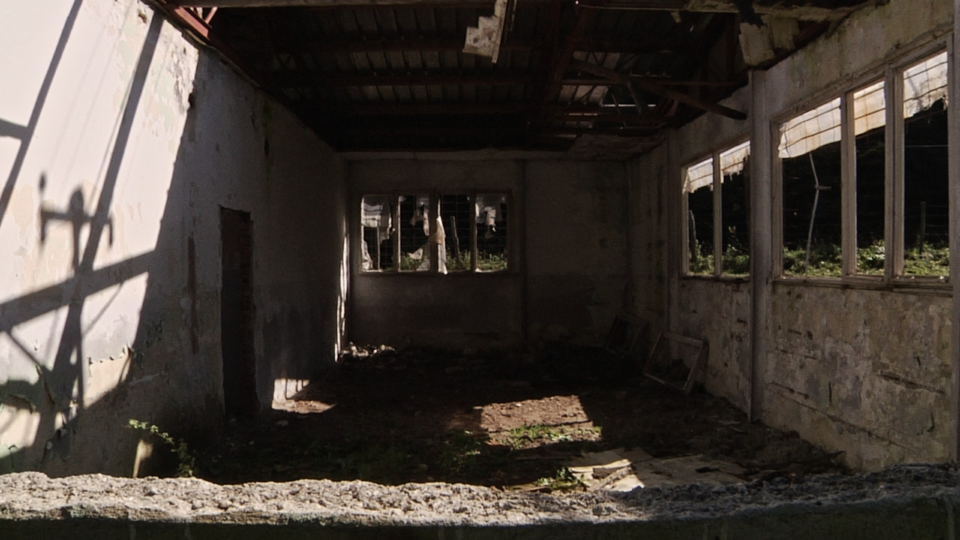
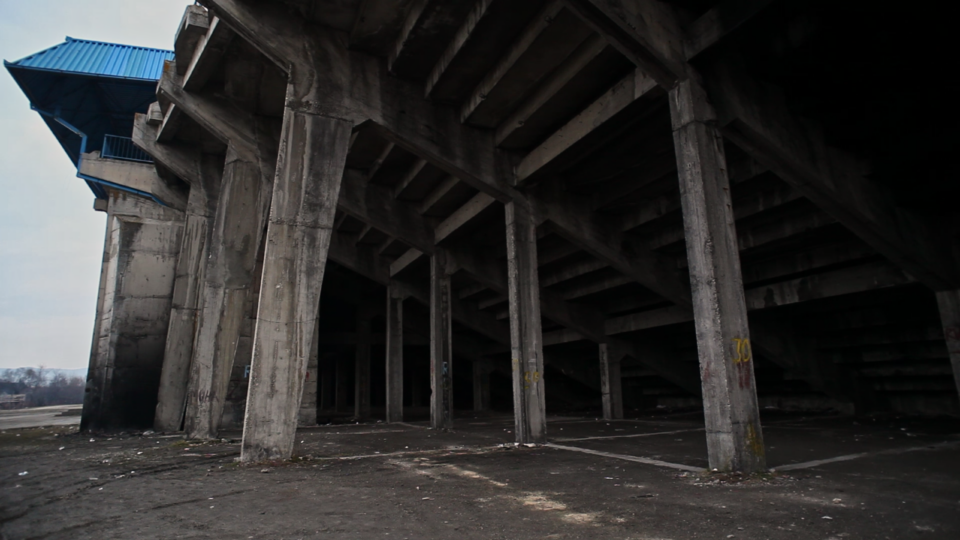
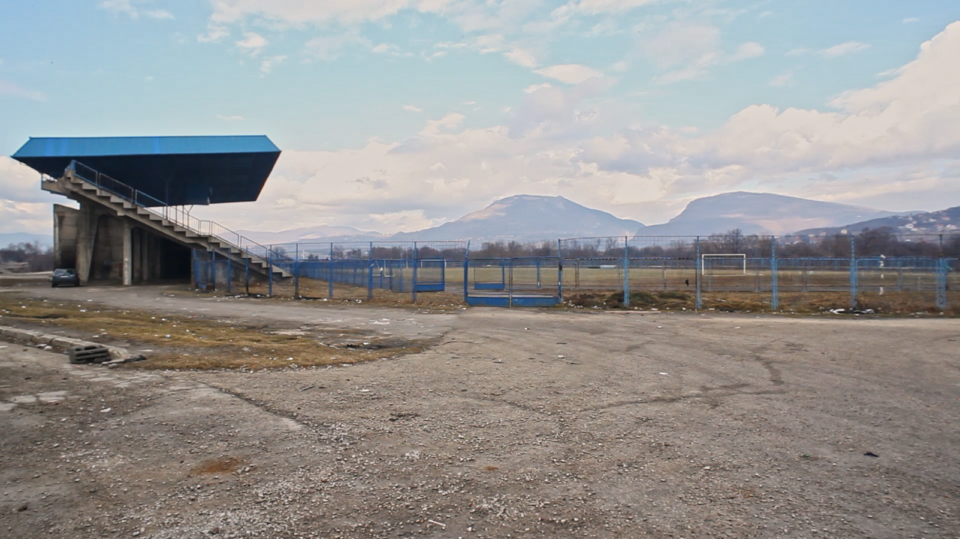
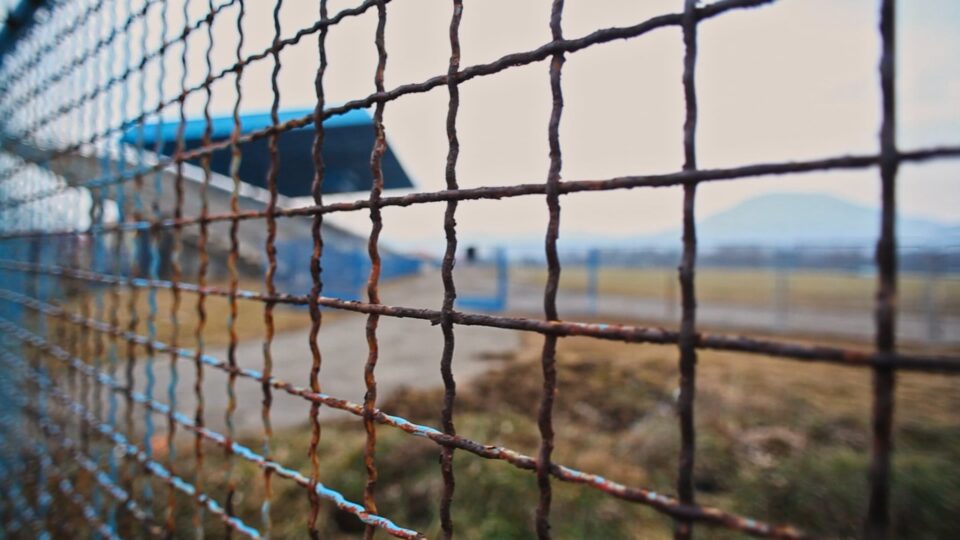
In 1993, during the conflict between the ARBiH and the Croatian Defense Council (HVO), the NK Iskra Stadium camp was established in Bugojno, where more than 300 people of Croatian ethnicity were detained.
Civilians as well as members of the Eugen Kvaternik Brigade who had laid down their weapons under guarantees of safety were held in a room of about 70 square meters under a walled-in concrete staircase. They were held in unsanitary conditions, without sufficient food and medical care, and tortured, beaten, and subjected to inhumane treatment. This included being forced to work under dangerous conditions, digging trenches and serving as human shields.
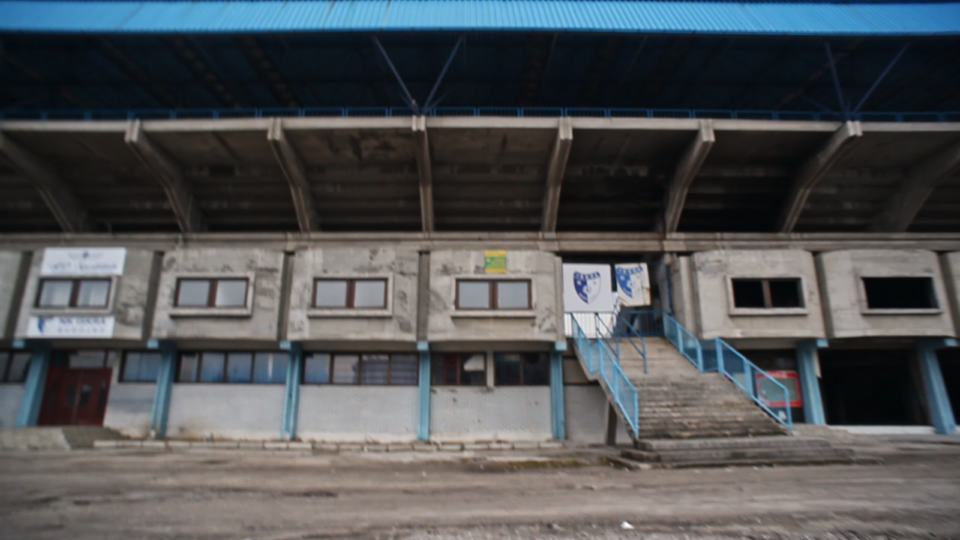
As determined by judicial verdicts, the detainees were taken from the room to the stadium hallway, bleachers, or field, where they were beaten with blunt objects, causing severe physical and mental harm. They were also transferred to other locations, where they were beaten and tortured before being returned to the Stadium.
The Stadium camp was closed on March 19, 1994, when 294 detainees were released or exchanged. Around two dozen are still listed as missing.
For crimes committed against Croats in the Stadium camp and other detention facilities in Bugojno, the Court of BiH sentenced Senad Dautovic, former Chief of the Public Security Station and ex officio member of the War Presidency in Bugojno, to seven years in prison, Nisvet Gasal, former warden of the Stadion camp, to four years in prison, and Musajb Kukavica, chief of camp security, to three years in prison.
Following a plea bargain, Enes Handzic, former assistant security commander of the ARBiH 307th Brigade who had effective control over the military police, was sentenced to eight years in prison. He was convicted on charges of forced labor that endangered the lives of detainees and during which many were tortured or killed, as well as for failing to take the necessary measures to prevent or punish the murders and torture of detainees by his subordinates.
For crimes committed against Croats in Bugojno, Alija Osmić, a former military police officer of the ARBiH 307th Motorized Brigade, was sentenced to three years in prison. Osman Šego, also a former military police officer in this brigade, was sentenced to five years in prison after entering a guilty plea.
The Court of BiH confirmed an indictment against Mehmed Sadiković, the head of the detention camp at the NK Iskra Stadium from July to September 1993, for inciting and assisting in the preparation and commission of criminal acts against Croat detainees and prisoners of war. However, the proceedings were discontinued due to his death.
The trial against Dževad Mlaćo, the former president of the War Presidency of Bugojno, and Selmo Cikotić, the former commander of the ARBiH Western Operational Group, is currently ongoing before the Court of BiH. Mlaćo is accused of ordering the killing of around two dozen detained Croats who he listed as so-called “HVO extremists.” These individuals were taken to the premises of BH Bank, where they were tortured and beaten. Afterwards, military police officers transferred them to special facilities in Rostovo, where they were executed. Cikotić is accused of failing to take all necessary measures within his authority to prevent these crimes, including murders and inhumane treatment.
March 19 of this year marked the 32nd anniversary of the exchange of 294 Croat detainees from the Stadium camp. The commemoration began with the laying of roses for the prisoners who were taken away. According to existing data, 15 of these individuals are still missing.
Among those present at the commemoration was Miroslav Zelić. He recalled the scale of suffering in Bugojno, stating that around 2,500 Croats passed through the camps there, including 550 through the Stadium camp, 194 of which remained there for a full eight months.
Gordan Grlić-Radman and Lidija Bradara also attended the commemoration, delivering remarks in which they emphasized the importance of a culture of remembrance and dialogue. Bradara additionally stressed the necessity of prosecuting those with command responsibility for these atrocities.
Mario Mostarac, president of the Croatian Association of Homeland War Camp Detainees of Bugojno, also spoke at the event, asserting that there is no coexistence without dialogue, peace, and tolerance: “Those who were exchanged on this day say that, despite everything they’ve been through, they want to turn to the future, but also that they will always remember this date.”
In Bugojno, there is no unified institutional memorial site, and commemorations are instead organized at the Sultanovići Cemetery. Those gathered at the cemetery appealed to anyone with information about the remains of the 15 missing inmates to come forward so that they can be found and buried with dignity.
As part of the research for this article, we contacted associations of former camp detainees as well as representatives of the Bugojno community. Some of those contacted declined to speak due to ongoing court proceedings, while others cited the sensitivity of the topic, fear of repercussions, and concerns about disrupting everyday coexistence in the town.
Professor Josipović stated that he understands these positions, although they complicate research:
“Researchers will return home tomorrow, far away from the places of suffering, while these people remain and must live alongside another community, the one from which the perpetrators of the crimes came.” This, he said, further indicates that full reconciliation has not yet been achieved.
The Heliodrom: Memory in the Shadow of Divisions
The Heliodrom detention center, located on the site of a former Yugoslav Army barracks just south of Mostar, was operated by the HVO. According to ICTY judgments, the Heliodrom camp was established in September 1993 on the orders of Bruno Stojić and Valentin Ćorić. Several hundred Bosniaks from Mostar and other towns in Herzegovina (such as Stolac, Čapljina, Ljubuški, and others) were detained here, including elderly women and mothers with children. At its peak, Heliodrom is estimated to have held up to 6,000 detainees.
The conditions in which the detainees were held, including the facilities for women, were described in court judgments as inhumane—lacking sufficient food, severely overcrowded, and unsanitary. Detainees were also taken to perform forced labor in various locations, including front-line positions, where they were used as human shields. During these forced labor assignments, many were injured or killed. Detainees were also subjected to violence, and some were forced to sign statements relinquishing their property to the HVO. Afterward, they were transferred to Croatia or other countries, or returned to eastern Mostar.
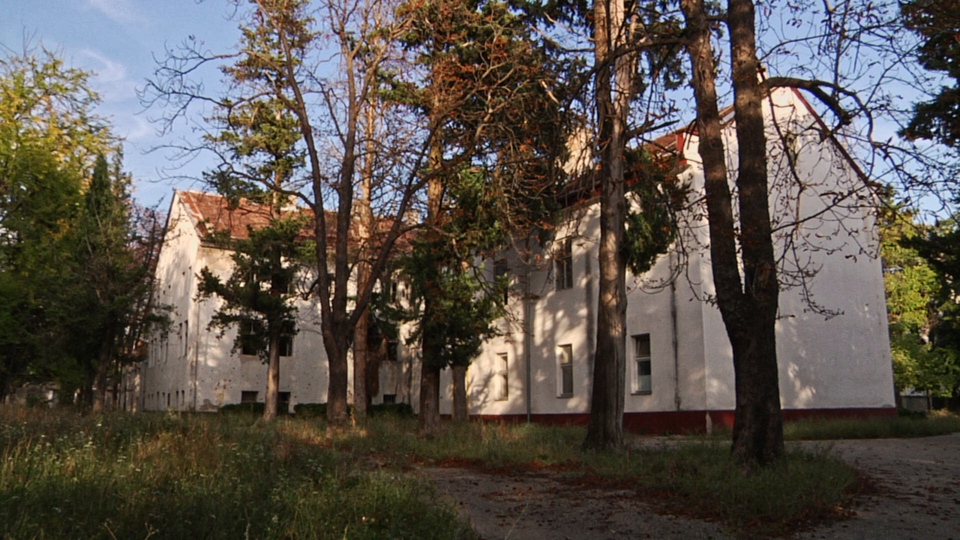
According to the Hague Prosecutor’s Office, the last of the women detained at the Heliodrom were released on December 17, 1993, while a significant number of Bosniak men remained in detention until April 1994. The authorities of the Croatian Community of Herceg-Bosna (HZHB) repeatedly prevented international observers and humanitarian organizations from obtaining complete information about the Bosniaks detained at the Heliodrom and the conditions there.
According to the Mostar Association of Camp Inmates, at least 77 people lost their lives at the camp or are missing.
There is extensive testimony and evidence documenting the crimes at the Heliodrom, which is delineated in the verdict of the so-called “six”: Jadranko Prlić, Bruno Stojić, Slobodan Praljak, Valentin Ćorić, Milivoj Petković, and Berislav Pušić. These individuals were sentenced to a total of 111 years in prison, and during the second-instance verdict, Praljak drank poison, resulting in his death.
Prlić served as the former HZHB Prime Minister and President of the HVO, and Stojić, as Chief of the Department of Defense in charge of most components of the HVO armed forces. Praljak held a position in the Ministry of Defense and was the Commander of the Main Staff of the HVO, Petković, Chief of the Main Staff of the HVO, and from the end of July 1993 Deputy Supreme Commander of the HVO forces, Ćorić, Head of the Military Police Directorate of the HVO and in November 1993, while Pušić was in charge of control in the criminal investigation department of the Military Police Directorate and president of the Service for the exchange of prisoners and other persons.
The verdict established the existence of a joint criminal enterprise within which crimes were committed against the civilian population, including illegal detentions, torture, rape, persecution, destruction of property, and the use of detainees as human shields.
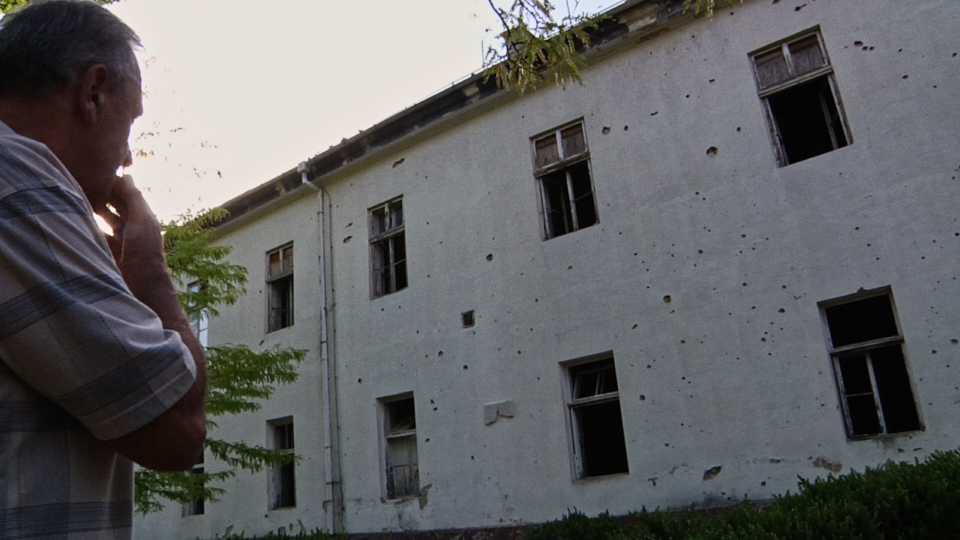
Despite the facts established by the court, the attitude towards these judgments is still the subject of political disputes. Croatia’s highest officials do not fully accept the verdicts or responsibility for the crimes committed, while only one civil society organization from Croatia, the Youth Initiative for Human Rights, along with a few activists, continuously appeals to face the past and the responsibility of the political and military leadership.
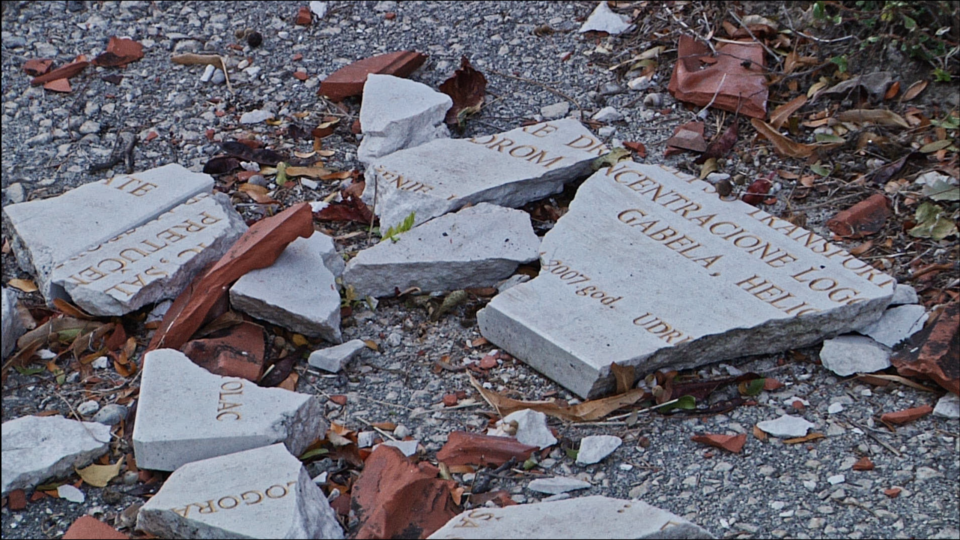
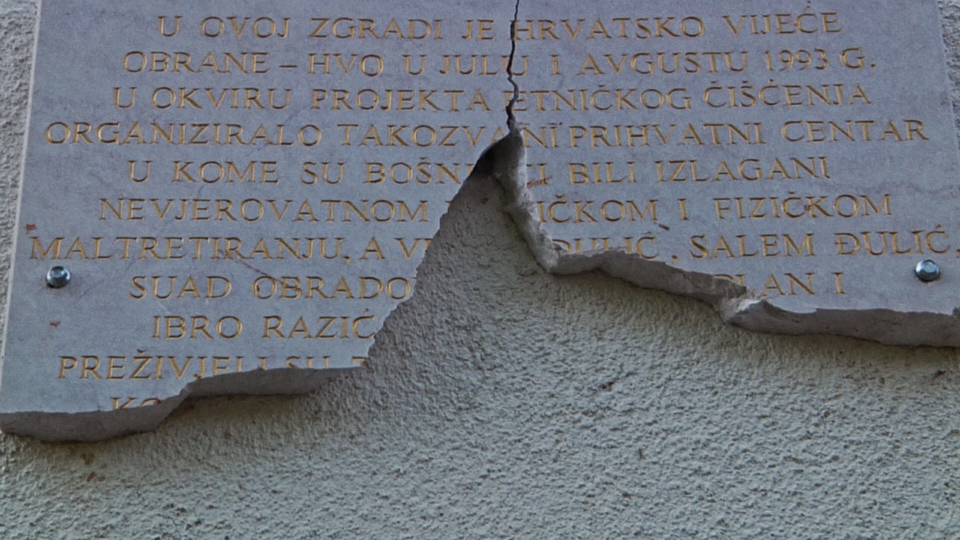
The Heliodrom remains contested in public and political discourse today, which is particularly reflected in the way this place of suffering is commemorated. The former detention center is now part of the University of Mostar complex, which is why former camp inmates are not allowed access to the area where they were detained.
“Not allowing entry to the former Heliodrom camp is a defeat of civilization in Mostar, and this has been proven for many years. The university, which should educate and shape new generations, is doing what no educational institution should do, and that is preventing camp inmates from paying tribute to their fellow sufferers,” said Emir Hajdarević, president of the Mostar Association of Camp Inmates at this year’s commemoration of the closure of the Heliodrom camp.
This year’s commemoration also highlighted the divisions in the approach to this place of suffering. Alongside detainee associations, activists, and non-governmental organizations from BiH, the Youth Initiative for Human Rights was the only organization from Croatia that participated in the commemoration, while Croatian officials did not attend either this year or in previous years.
Between Memory, Politics, and Silence
The analysis of commemorative practices surrounding the four places of suffering included in this research points to the absence of a unique and institutionally arranged approach to the culture of memory. More than three decades after the war, commemorative practices remain fragmented, shaped by ethno-national narratives, political interpretations, but also by silence.
“Marking the scene of a crime, rather than a criminal law significance, has a general human significance. It is an act of humanity. Condemning a crime and honoring the victims is an act of humanity and a step towards reconciliation,” said Josipović.
In the context of criminal law, he stated: “Condemning crimes by marking the place of suffering of the victims supports the legal condemnation of crimes and criminals and contributes to the general preventive effect of judgments. It shows respect for judgments and their empowerment, and warns that the perpetrators of all crimes will face legal and moral condemnation of their misdeeds.”
As President of Croatia, Josipović visited numerous sites of suffering in BiH, and for the purposes of this research, he explained that he paid homage to the victims because he considered it his human and political obligation.
“It’s important that the sites of suffering be both institutionally marked and placed in a political and broader social context. On the one hand, this speaks of the state’s readiness to confront the dark sides of history, to elevate those who suffered for freedom or who were innocent victims, and on the other, it gives moral satisfaction to the victims, or their loved ones. In particular, such gestures are important for reconciliation. But reconciliation requires more than that,” said Josipović.
According to him, reconciliation requires punishing perpetrators while refraining from generalizing blame to entire nations. It is necessary to focus responsibility on the perpetrators of crimes and those with command responsibility in order to create the preconditions for inclusiveness and peaceful civil coexistence at the political and legal levels.
“Catharsis on the Spot”
In some camps and places of detention, the culture of remembrance is maintained primarily thanks to the efforts of associations of camp inmates and civil society organizations, while in others, survivors still do not have the basic right to free access to the places of suffering. Such inequality further deepens divisions and makes it difficult to develop a common framework of remembrance.
Every year, the Center for Nonviolent Action, a civil society organization from BiH, joins war veterans in visiting nearly all the places of suffering in the region and paying tribute to all victims, regardless of their ethnicity or affiliation.
Amer Delić from the Center for Nonviolent Action emphasizes that commemorating sites of suffering, particularly those that are yet unmarked, is a key step in building sustainable peace, because it is precisely in these places that “catharsis on the spot” occurs. Such initiatives, he points out, most often arise as a response to the lack of systemic action, but at the same time they open up space for dialogue, public recognition, and facing the past.
“The process of marking a site is a process of coping, and then comes a basic state of understanding,” states Delić, adding that commemorations play an important role not only in preserving memory, but also in encouraging social change.
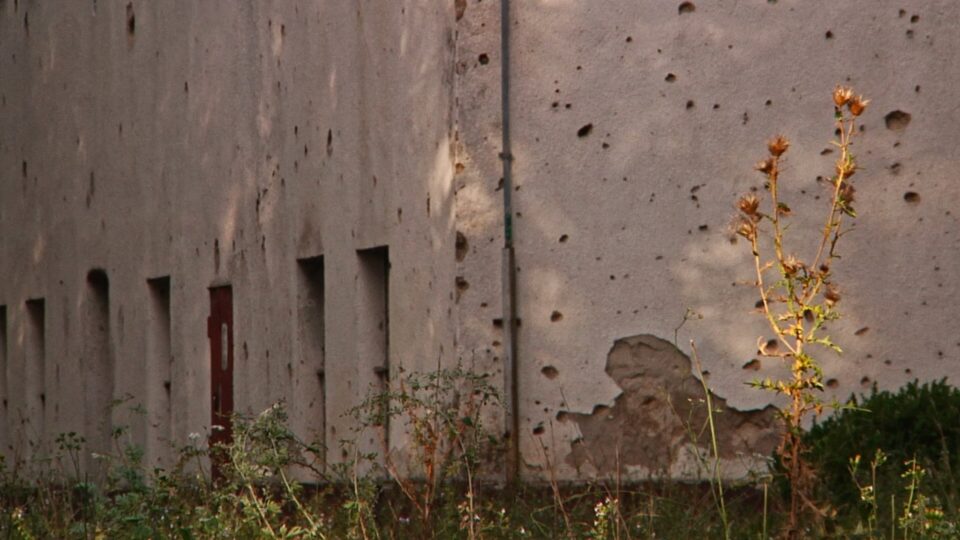
Thus, this research does not end with a conclusion because the process of dealing with the past continues and will continue until every victim is recognized and every perpetrator is held accountable for the crimes they committed. This is precisely why the question of sites of suffering cannot remain on the sidelines, because it exposes the absence of institutional responsibility, the politicization of victims, and the deep social divisions that persist decades after the war.
Without equal reverence for all victims, regardless of their nationality or religion, without inclusive memorialization and without finding all the missing, sustainable peace remains only declarative, devoid of real content and a foothold in the everyday life of people and their communities.
This article was created within the project “Generation Memory”, which is carried out by the Post-Conflict Research Center (PCRC), with the aim of developing inclusive, local peace-building practices and a culture of memory that encourage work on understanding, empathy and critical reflection among young people. The project is financed by UK International Development and is implemented in partnership with the British Council.