The post-Yugoslav transition has given rise to various complex relationships with the past.
Historical narratives are often influenced by political agendas, with a focus on major conflicts of the past that overshadows the dimensions of humanity, common legacy, habits, and vulnerabilities. Nevertheless, recent years have witnessed the emergence of new museums that process personal memory in different ways, constructing an alternative narrative at the micro level that puts the macro-level context into perspective.
These new museums are unlike the traditional museums that many visited on the school field trips of their youth and are redefining museums as meeting places. Although they cover social history in their own way, each of these museums gives voice to the individual and to everyday life, foregrounding the culture of ordinary people. The Hangover Museum in Zagreb and the War Childhood Museum and the 1980s Museums in Sarajevo are prime examples of this approach. The fundamental departure from the classic museum model is embodied in the curation of artefacts that tell a story that resonates with the masses.
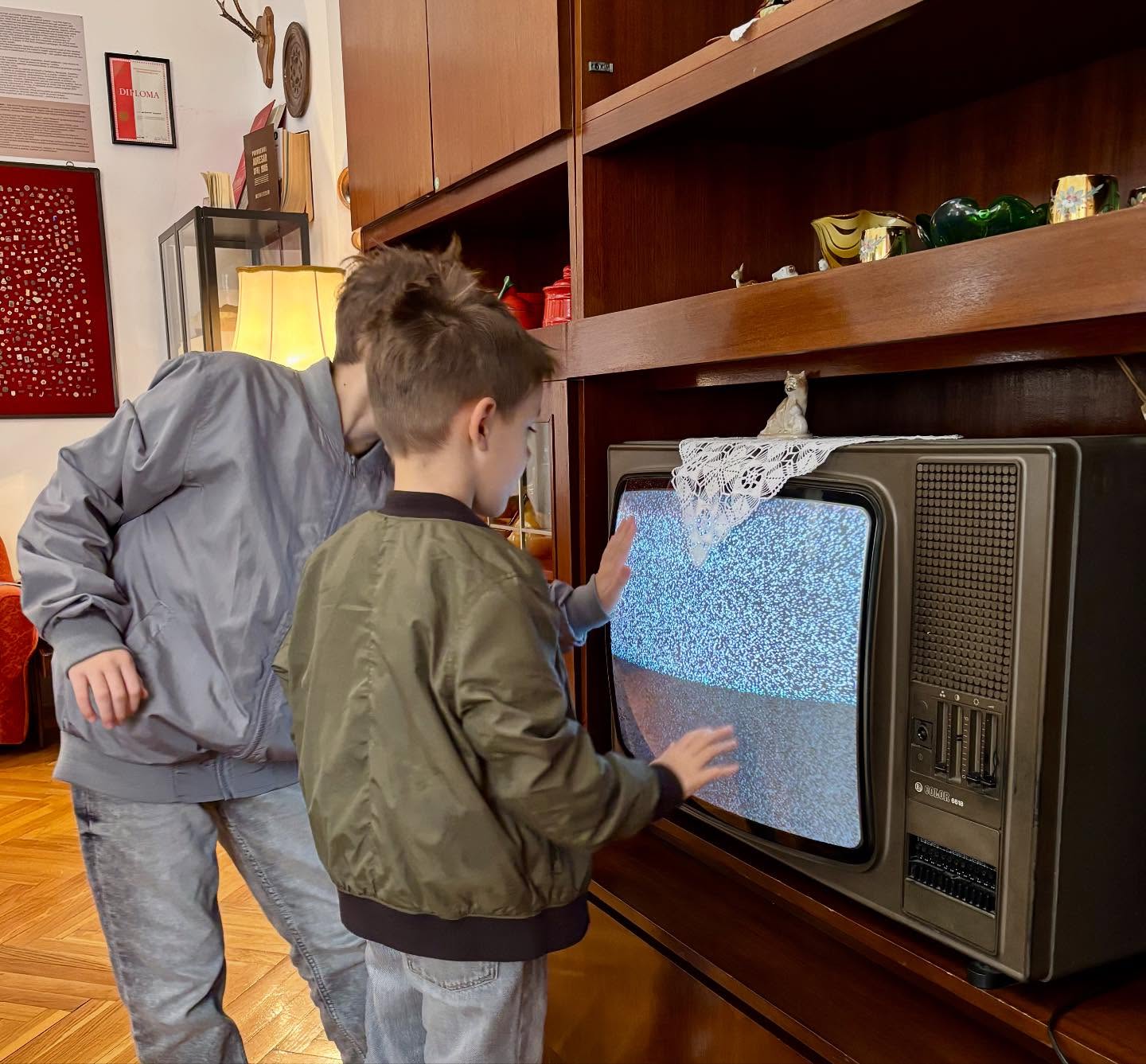
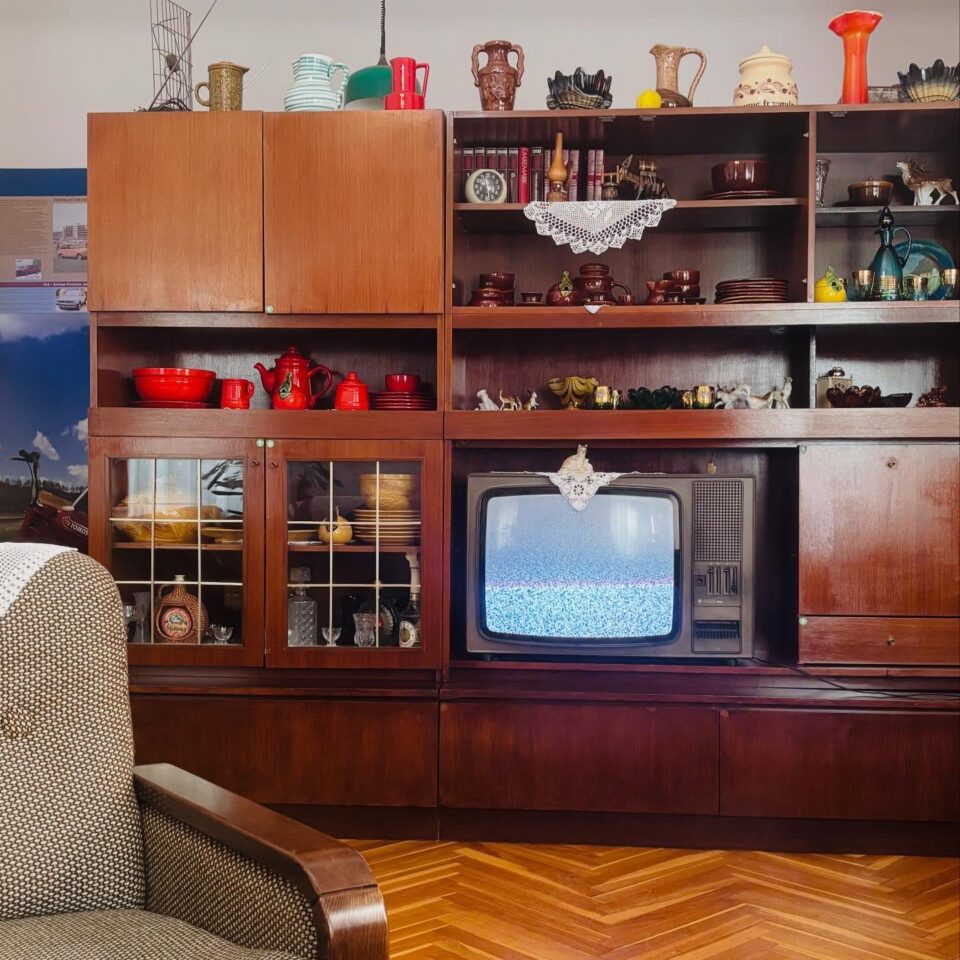
Azem Heljić, assistant director of operations at the 1980s Museum, explained that the most important part of this museum is the central room of everyday life: the living room, a place for family gatherings, socializing, conversation, watching television, listening to music, and experiencing the atmosphere of home alongside all of the authentic objects that made up this space in the 1980s.
“The museum’s identity is made up of all its contents: each separate collection, each individual object in these collections, and the overall authentic ambience create a unique whole and are the identity of the museum,” said Heljić.
He added that visitors do not merely stand in front of display cases. By entering and viewing the artifacts, they become part of this once-modern space. The goal, Heljić emphasized, is to preserve and present everyday life during a time of modernization, urban development, and cultural confidence, in a decade that shaped generations to come.
Everyday Life in the 1980s
According to Heljić, it isn’t just about arranging the space in an old-fashioned way. Instead, the focus is on telling the story of each artifact and connecting two realities: a personal one that allows people connect with the various individual objects, and a collective one that tells the story of a decade that separated two eras.
“Visitors recognize the real patterns of life in the eighties—lifestyle, communication, entertainment, and culture—and enters the lived experience of an era. The key narrative is everyday life: socializing and gathering at home, living habits, social relations, schooling and work, cultural production, and social patterns of togetherness from that time. The narrative shows what everyday life looked like and what made it possible. All of this is felt in the environment, not in abstraction,” explained Heljić.
Another innovated space is the Hangover Museum in Zagreb, which uses a seemingly trivial topic to open a mature and constructive discussion in a unique and interesting way. This is confirmed by the reviews posted on the museum’s website.
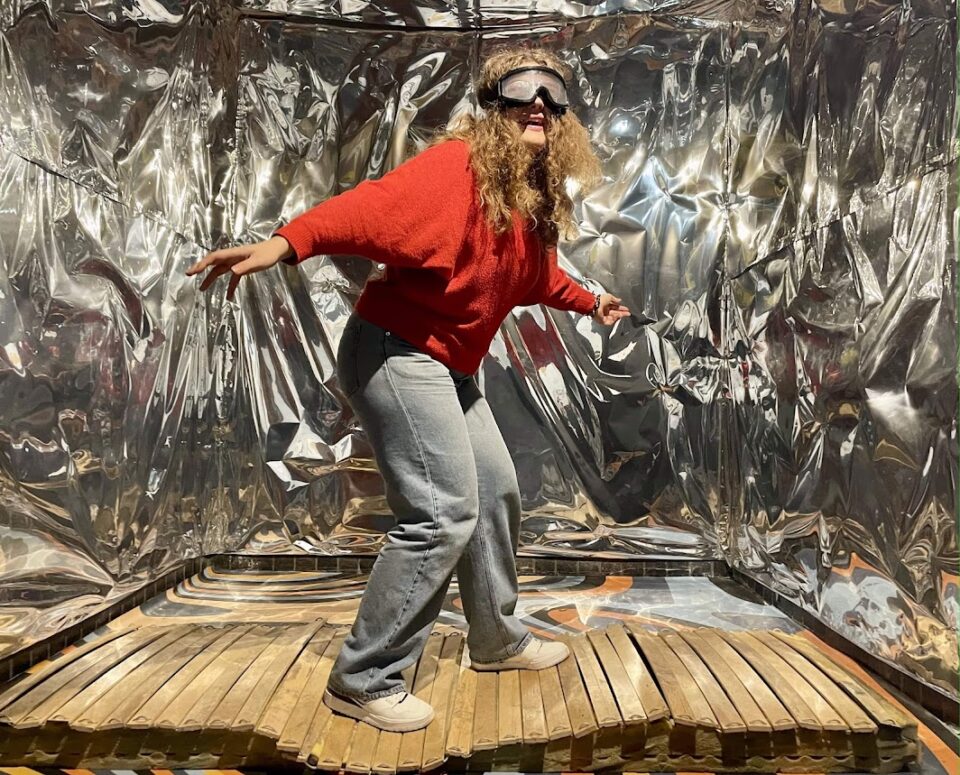
“The educational session with a psychologist that we hold for schoolchildren includes a simulation of impaired perception and coordination with special glasses that distort vision and balance [worn while] walking in a line, and a simulation of driving while intoxicated. Visitors can experience firsthand how perception changes and why it becomes dangerous in traffic and everyday situations,” said Rino Duboković, founder and director of the Hangover Museum.
Silly But Socially Responsible
Given the pervasiveness of drinking culture, it isn’t difficult to create the right atmosphere for visitor participation, which is precisely what separates tours of this museum from traditional museum experiences.
“We stand out from the rest in terms of balance and format. The museum exhibition is interactive and humorous, but the message is clear and responsible. We don’t push an extreme partisan narrative, and we don’t deny the social significance of drinking together. Instead of black and white messages, we offer experience and knowledge that helps in making better decisions,” explains Duboković.
The topic of hangovers and all its associated experiences is universal and easy to understand. As Duboković notes, tourists and local visitors appreciate the humor, the visual, and the interactivity of the exhibition. This museum rounds all of this off through an open conversation about drinking, without judgement.
“We use interactive stations, short AI interactions, and QR content in Croation and English. We analyze anonymized visitor behavior patterns—where people stop, where they take photos and how often, how long they stay where—and, accordingly, we constantly adjust the content and the path through the exhibits. We are visited mainly by tourists between 18 and 35, as well as locals between 18 and 45, with a strong growth in school and organized educational visits,” Duboković pointed out.
The Sarajevo War Childhood Museum represents a stark departure from official history education. This space has, above all, successfully avoided the politicization of the conflict that has taken its place in the post-war Balkan narrative. Instead, the focus is on the war trauma and vulnerability of children whose experiences are often glossed over or ignored.
Building an Empathetic Society
“The War Childhood Museum stands out for its unique concept and focus on personal experiences and the experiences of those whose voices are usually absent from war stories: children. When we talk about wars, the dominant discourse usually deals with generals, armies, territories, and numbers of casualties. In the educational system, and often in the media, there is almost no space for the stories of those who had no choice but to bear the hardships of war, and bear them throughout their lives,” says Amina Krvavac, director of the War Childhood Museum.
This museum today contains a collection of 6,000 personal items. Its founding was inspired by Jasminko Halilović’s book Childhood in War: Sarajevo 1992 -1995, which gave a voice to children and their experiences. The museum has enriched Sarajevo’s museological landscape with a new perspective, putting the individual in focus.
“The main pillars of our work are research, exhibition, and education, all of which are firmly rooted in our mission and vision. They guide each of our projects and activities, from collecting materials to producing exhibitions and working with children, young people, and adults. This principle ensures that everything we do is interconnected, consistent, and directed towards the same goal: understanding the experiences of children affected by war and building a more empathetic society,” explained Krvavac.
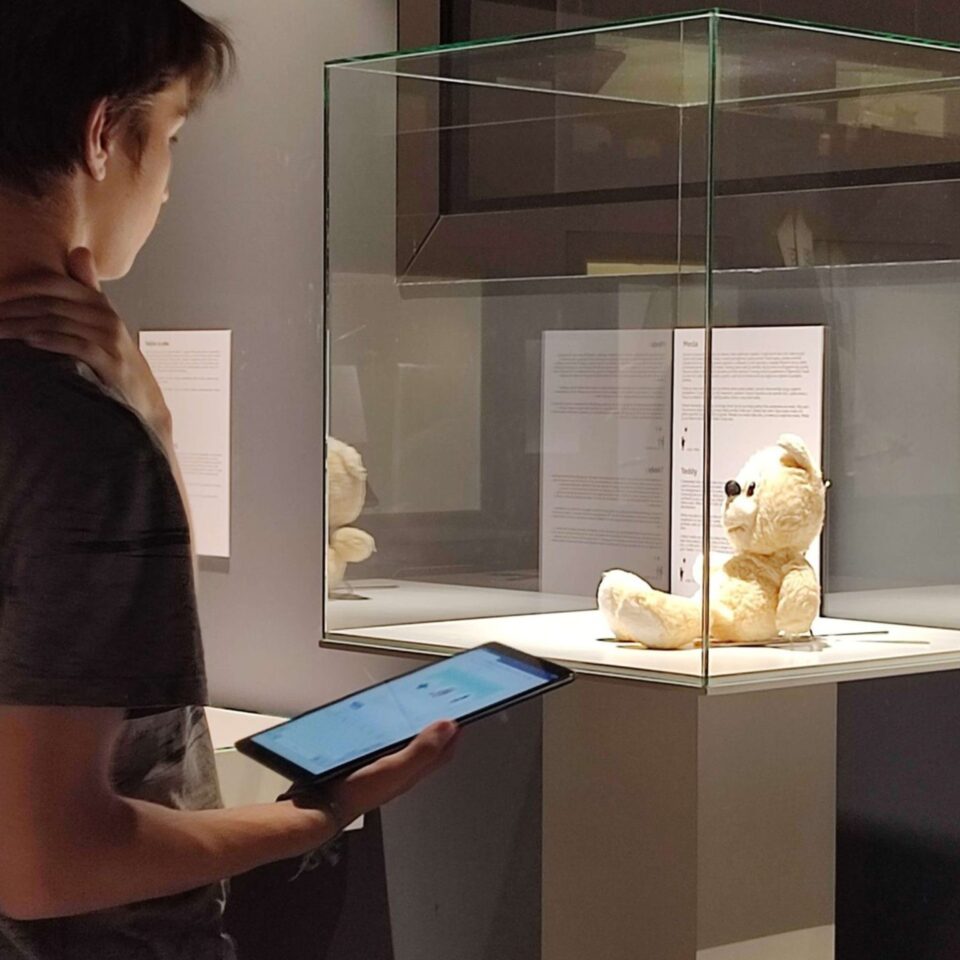
The museum is shaped by the stories and personal objects that represent its central features. Each toy, note, and personal belonging carries with it a fragment of a childhood marked by war.
“Equally important are the people who entrusted us with their memories. Their courage to share intimate memories makes it possible for the museum to exist at all and to function today as a space of empathy, learning, and understanding,” concludes Krvavac.
Despite the differences between the 1980s Museum, the War Childhood Museum, and the Hangover Museum, all three are reshaping the traditional museum setting. These museums offer a reflection on ordinary life and culture and contribute to building a more informed, inclusive, and empathetic society.