On the occasion of commemorating the 31st anniversary of the genocide in Srebrenica, the Srebrenica Youth School 2026, organized by the Post-Conflict Research Center, will take place from July 6 to 12 in Sarajevo, Tuzla, and Srebrenica.
Sarajevo: Foundations of Transitional Justice and Accountability
The official opening of the school is planned at Europe House in Sarajevo on July 7. The opening speeches will be held by Damon Wilson, President and CEO of the National Endowment for Democracy (NED), Aurelia Valtat, Head of European Integration, Political, Press and Information Section of the Delegation of the European Union to BiH, and an address by Velma Šarić, founder and president of the Post-Conflict Research Center. NED is one of the main donors of the Srebrenica Youth School, with whose support the previous six schools were organized, starting in 2020.
The program in Sarajevo opens with a lecture by Goran Šimić, dean of the Faculty of Law of “Vitez” University, on the basics of transitional justice, followed by a panel “Building responsibility: international responses to the legacy of Srebrenica” with representatives of the Office of the UN High Commissioner for Human Rights, the OSCE Mission to Bosnia and Herzegovina, the International Commission on Missing Persons (ICMP) and TRIAL International, moderated by Leila Bičakčić from the Center for Investigative Reporting (CIN).

That day, participants will also discuss the issue of memory activism and the fight for public memory with Milic Pralica from the Oštra Nula Association. The day will end with a visit to Gallery 11/07/95, the first memorial gallery in Bosnia and Herzegovina dedicated to the victims of the Srebrenica genocide.
At the Sarajevo City Hall, participants will explore the court-established chronology of the genocide through an interactive lecture by Nemanja Stjepanović from the International Residual Mechanism for Criminal Tribunals (IRMCT), while Hikmet Karčić from the Institute for Research of Crimes Against Humanity and International Law at the University of Sarajevo will deliver a lecture on genocide denial and triumphalism.
Tuzla and Srebrenica: Meeting Places of Remembrance
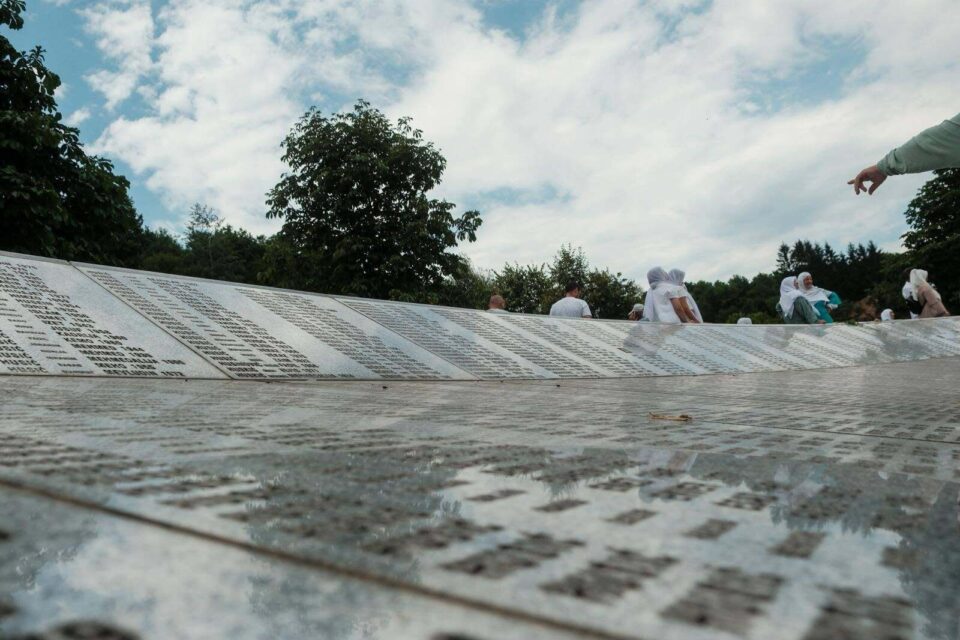
The program continues with a field visit to the International Commission on Missing Persons (ICMP) in Tuzla, where participants will have the opportunity to learn about the work of the Podrinje Identification Project. From there, the program continues to the Srebrenica Memorial Center, where participants will lay flowers, tour the memorial complex, attend the ceremony welcoming the remains of the victims of the genocide, and meet with the Mothers of Srebrenica.
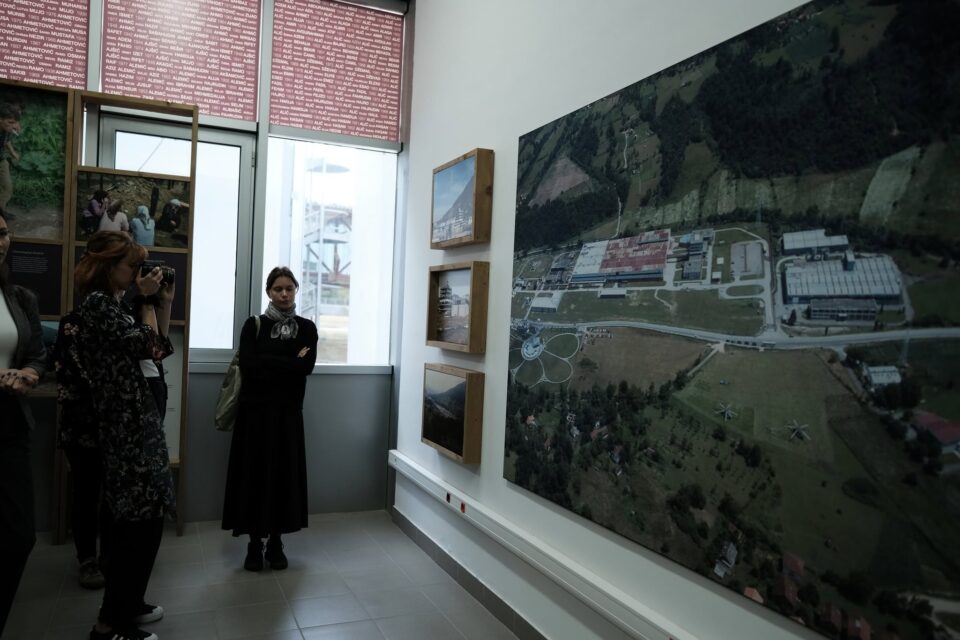
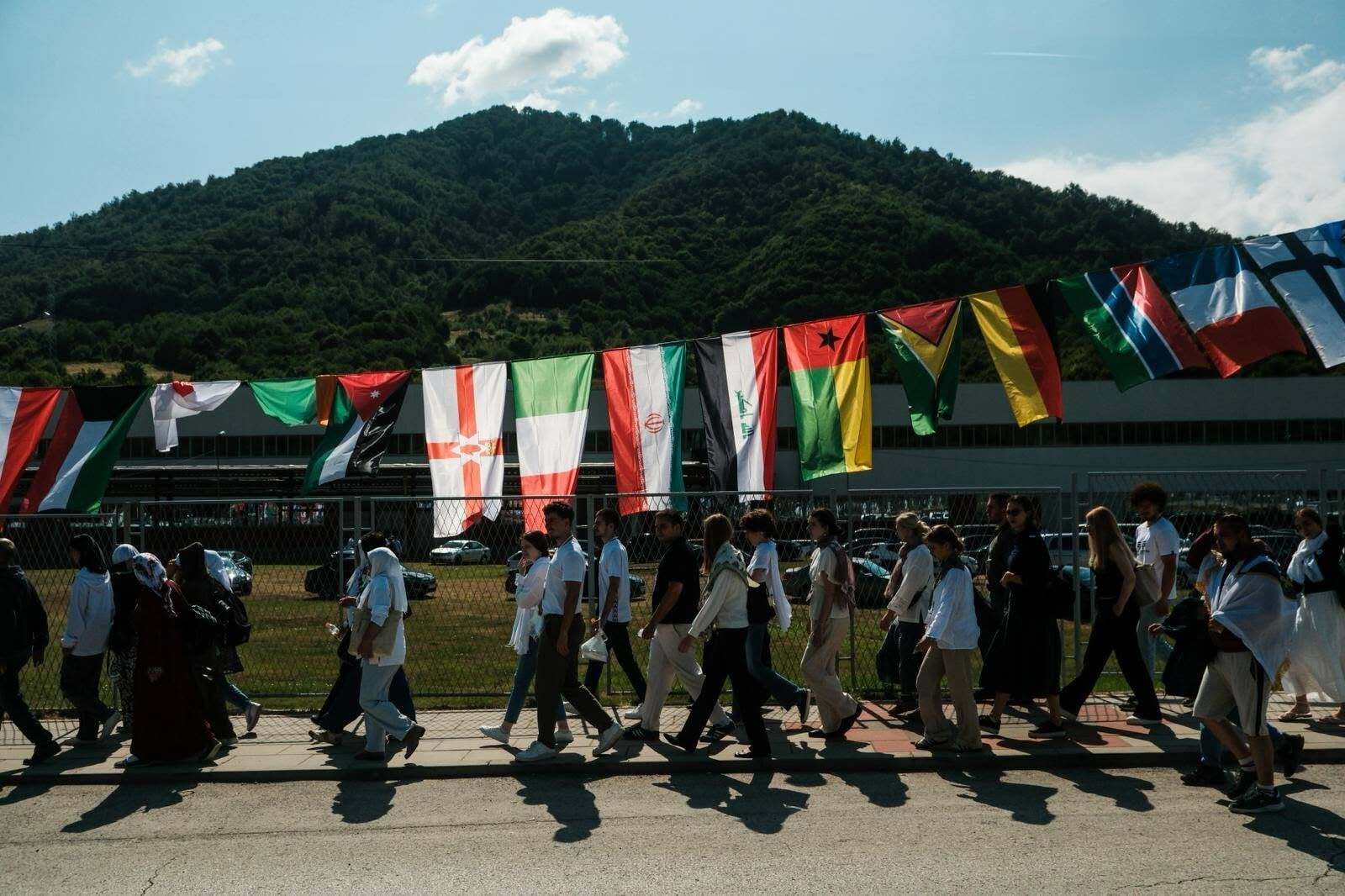
In Srebrenica itself, participants will talk to survivors of the 1995 Death March, visit local organizations such as the House of Good Tones and the Emmaus International Solidarity Forum, and meet with the team of the OSCE field office in Srebrenica. The day will be rounded off by joining the last leg of this year’s Peace March.
Commemoration: Remembering the Victims
On the eleventh of July, school participants will attend the 31st commemoration of the genocide in Srebrenica, during which ten victims will be buried. This year’s commemoration marks 31 years since the genocide in which more than 8,000 Bosniak men and boys were systematically killed, while more than 25,000 women and children were deported from the zone declared “safe” by the United Nations. School participants will also meet survivors of the genocide in Srebrenica.