Human Trafficking in the Balkans

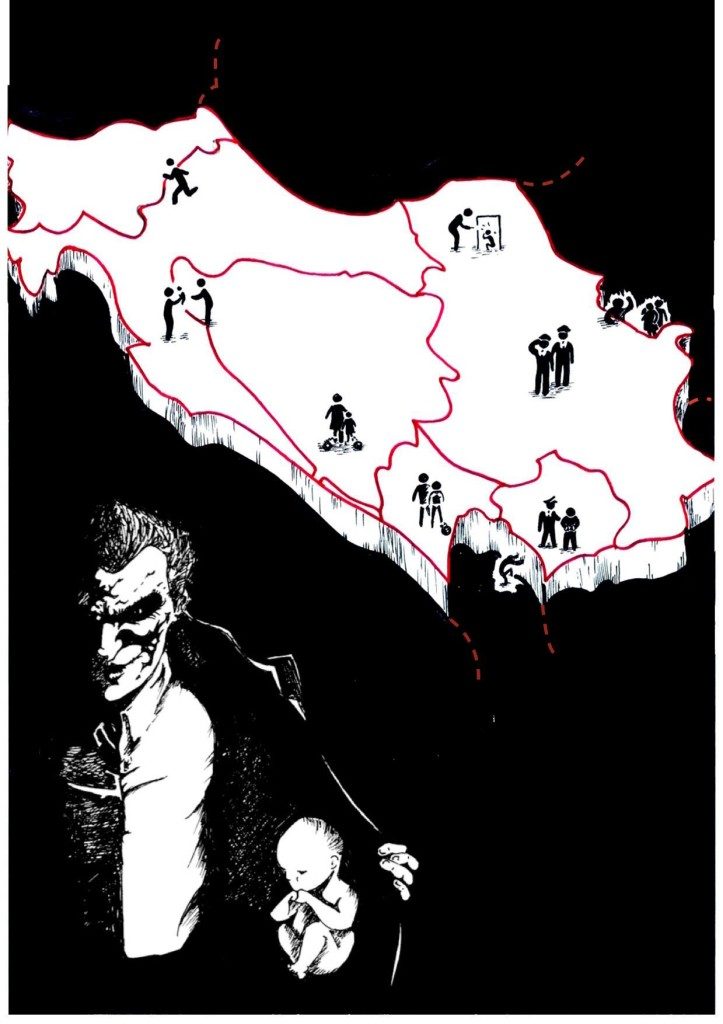
Human trafficking is endemic in the Balkans. The region offers ideal conditions: political instability; social and economic malaise; a prevalence of organized criminal networks; and a culture of corruption.

Human trafficking is endemic in the Balkans. The region offers ideal conditions: political instability; social and economic malaise; a prevalence of organized criminal networks; and a culture of corruption. In addition, most countries in the region have inadequate systems in place to monitor and document cases, leading to ineffective countermeasures that are further undermined by the lack of a coordinated regional response.


Chloé Gaillard holds an MA in International and European Law, Law of State Rebuilding in Post-Conflict Societies. She has always been interested in the connection that exists between law, justice, democracy and media.

Related posts

Food: A Need, a Love, a Connection, and a Sense of Belonging
Food is a fundamental human need. However, from sociological and anthropological perspectives, it is so much more—associated with region, habits, lifestyle, customs, and even religion.
The Scars of Transition: Opportunities for Coexistence
Tuzla, an example of multiculturalism in Bosnia-Herzegovina, does not experience issues related to national identity as much as other areas, but this merely raises more questions. “Why is Tuzla not progressing despite such an advantage?” Mirza Haličević reports.

Leave a Reply

Your email address will not be published. Required fields are marked *


Winner of the Intercultural Achievement Recognition Award by the Austrian Federal Ministry for Europe, Integration and Foreign Affairs

Post-Conflict Research Center
Join our mailing list