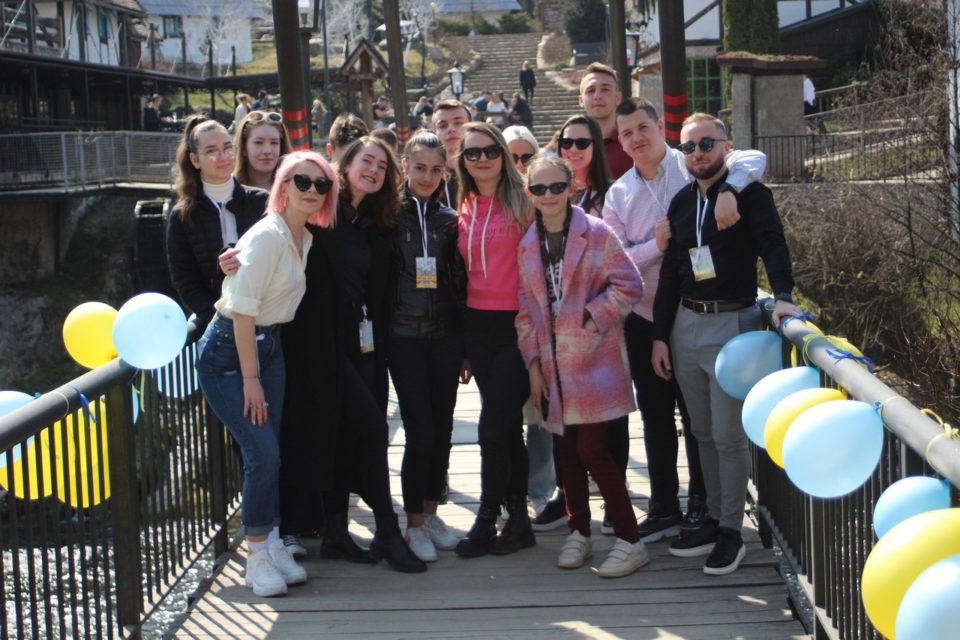
In the heart of Bosnia and Herzegovina, in the small town of Vitez, young people have been gathering for three years to learn about preserving peace, coexistence, and tolerance. The Peace Festivals are organized by the Post-Conflict Research Center (PCRC). During the first two editions, they gathered nearly 100 young people from different parts of Bosnia and Herzegovina to work together on building a better and more peaceful future for our country.
The third edition of the Peace Festival is taking place from February 22nd to 26th in Vitez, with young people from Visoko, Tuzla, Zenica, Glamoč, Sarajevo, Tešanj, Travnik, Banja Luka, Kozarska Dubica, Bihać, Bugojno, Mostar, Jablanica, Bosansko Grahovo, Sanski Most, Hadžići, Busovača, Milići, and Kakanj.
Velma Šarić, the president and founder of the PCRC, states that the Peace Festivals bring together young people from communities across Bosnia and Herzegovina, enabling them to learn about breaking ethnic prejudices through art, documentaries, and other content, encouraging them to make a more active contribution to peacebuilding in their cities.
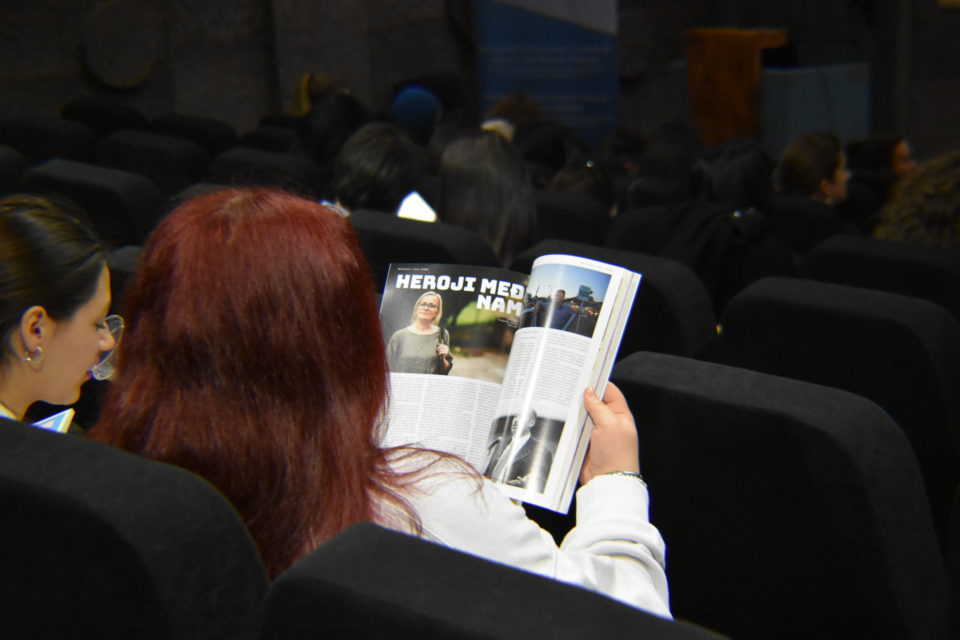
Alongside the Festival, the Center has also created the MIR Magazine – the first peace magazine in the Balkans dedicated to promoting young, innovative individuals who are pushing social and creative boundaries across Bosnia and the region.
“At both Festivals, we have recognized the greatest values of Bosnia and Herzegovina, which are multiculturalism and multi-ethnicity. Through art and various educational activities, we strive to motivate young people and provide them with the necessary tools to work in their communities towards creating a climate of sustainable peace and tolerance,” added Šarić.
This year’s Peace Festival is organized with the support of the Slovak Embassy in Bosnia and Herzegovina through the Slovak Aid program, the Embassy of Canada in Hungary, Slovenia, and Bosnia and Herzegovina through the Canadian Fund for Local Initiatives (CFLI), as well as with developmental grants from the PCRC. Festival partners include the Ethno Village Čardaci Vitez and Al Jazeera Balkans.
The Festival will also feature the work of young people through artistic workshops as part of “Subjective Atlas” – a project by the PCRC, the Belgian organization Subjective Editions, and Newcastle University. Subjective atlases are cartographic publications that map the country, region, or city according to the perspectives of the inhabitants of that area, and in Bosnia and Herzegovina, they are created by young people from across the country who participate in PCRC activities.
The workshops led by the Subjective Atlas team encourage participants to share their own experiences of the environment through artistic expression. This methodology aims to challenge and bypass verbal and written language as standard means of knowledge production and transmission. “The goal is to demystify cartography and emphasize other ways of expressing belonging to a place, which is also at the heart of the Subjective Atlas series,” explains Annelys De Vet, the founder and chief editor of the Subjective Atlas.
In collaboration with Al Jazeera Balkans, the Festival will bring the story of Tomislav Cvitanušić, who climbed Mount Everest, marking only the fourth ascent by a Bosnian-Herzegovinian mountaineer to the world’s highest peak. The Festival’s documentaries will be on moral courage in difficult times, Bosnian-Herzegovinian citizens who rescued members of other ethnicities during the past war, and the phenomenon of reaching summits and ascents, all aimed at inspiring peace in individuals and communities.