In the three decades of peace in Bosnia and Herzegovina (BiH) since the signing of the Dayton Peace Agreement, the international community has transitioned from a judicial role to a crucial partner in strengthening institutions and non-governmental organizations, respecting human rights, implementing transitional justice, and supporting young people.
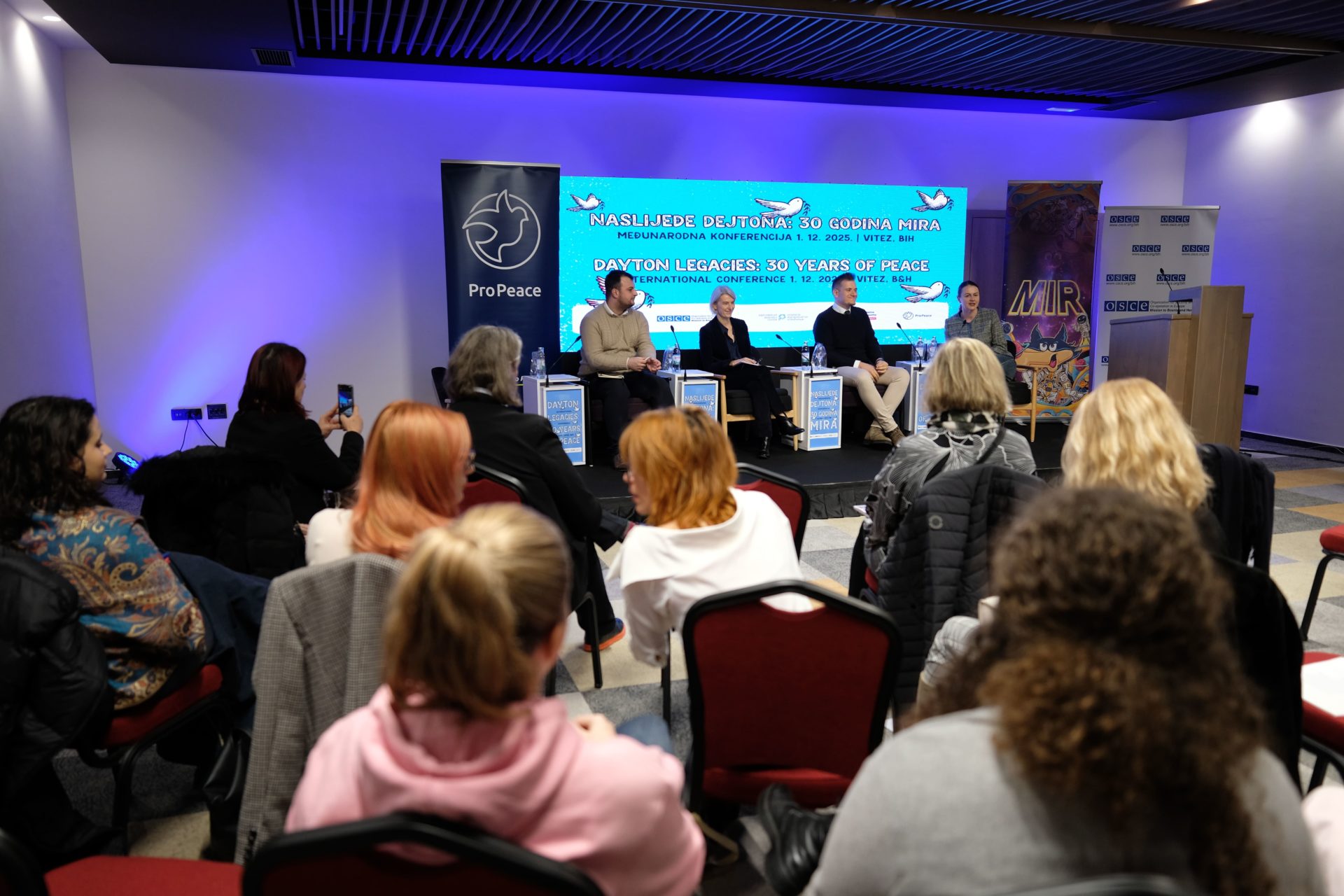
This was a key takeaway from the international conference “Dayton Legacies: 30 Years of Peace,” held in Vitez at the beginning of December.
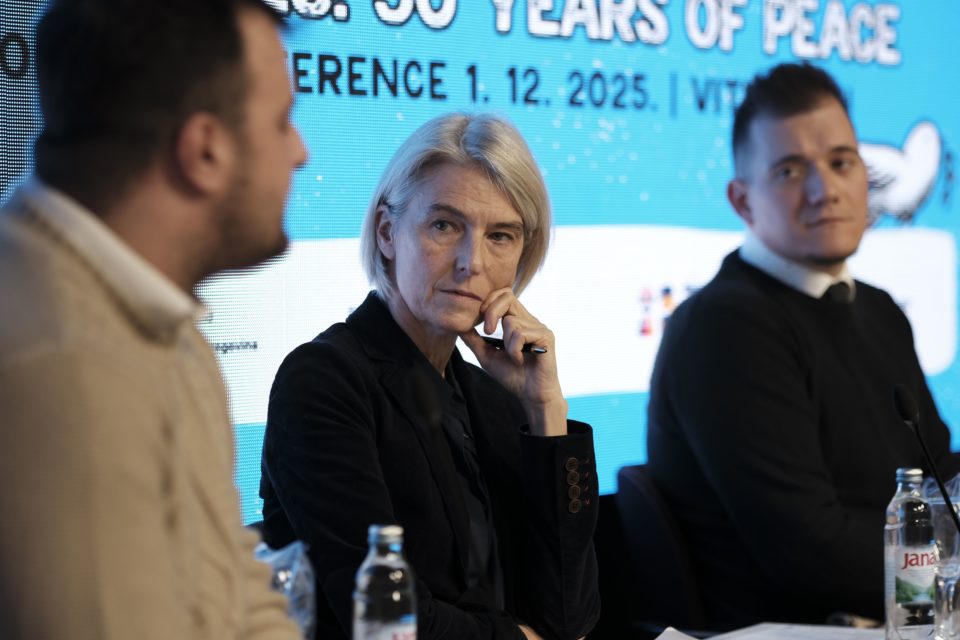
During the panel “The Role of the International Community: From Arbitrator to Partner,” representatives of the Office of the United Nations High Commissioner for Human Rights (OHCHR), the International Commission on Missing Persons (ICMP) and the Regional Youth Cooperation Office (RYCO) analyzed the structural challenges that still shape social and political life in BiH, including constitutional restrictions, a fragmented education system, transgenerational trauma, and underdeveloped mechanisms for dealing with the past.
Agnes Picod from the OHCHR said that constitutional solutions in BiH continue to limit the political rights of certain groups, especially those who do not belong to the country’s three main constituencies. As she explained, the political system reflects deep ethnic and regional divisions, and the dominance of nationalist parties often leads to clientelism and gridlock.
The fragmented education system, as she pointed out, deepens divides among young people, while the lack of comprehensive transitional justice leaves traumas that pass from generation to generation. In Picod’s view, mechanisms such as reparations, social integration, and reorganization have been largely neglected.
“Bosnia and Herzegovina faces several systemic challenges – constitutional restrictions on political participation, political clientelism, a fragmented education system and insufficient transitional justice – that require continuous attention and action,” Picod concluded.
Contributions to Transitional Justice
The ICMP has made an immeasurable contribution to building trust, justice, and sustainable peace in BiH, cooperating with the families of the missing as well as various organizations and institutions. Speaking on behalf of the ICMP, Borislav Buljić, explained that was a global pioneer in the use of DNA to identify missing persons, a practice now used worldwide.
“With the introduction of DNA identification, significant progress has been made in finding and identifying missing persons, both in Bosnia and Herzegovina and in the region. From the very beginning, ICMP includes the families of the missing in every step of the process. This cooperation is not only technical, but also humanitarian. It provides the families with a process of reconciliation, justice, and peace,” said Buljić.
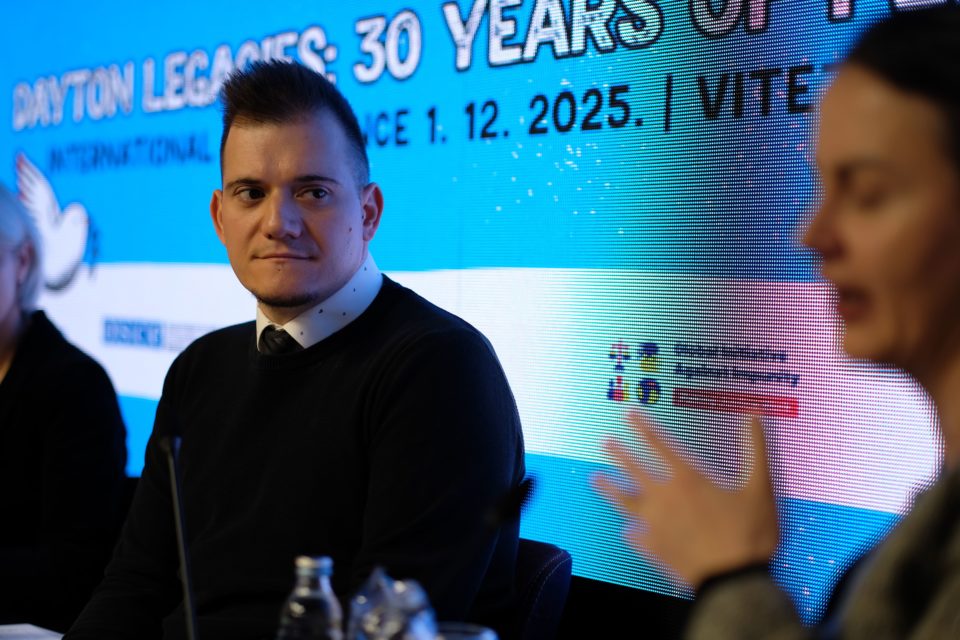
He added that the 2004 legal framework further strengthened the role of families in the process of searching for missing persons and enabled them to be actively involved in the work of the Missing Persons Institute (MPI) of BiH.
“Although a large number of the missing have been identified, around 7,600 people have yet to be found, which means that around 10,000 family members are still living in uncertainty and without closing this important chapter,” said Buljić.
The process of locating and identifying the missing, he added, depends on the cooperation of institutions, forensic experts, courts and, most importantly, the families of the missing.
The work of ICMP and the involvement of families ensure that the process of searching for and identifying missing persons is transparent, humanitarian, legally sound, and instructive. At the same time, it bolsters knowledge and awareness of the importance of justice and reconciliation in post-conflict societies.
Panel moderator Velma Šarić explained that, in cooperation with the ICMP, the Post-Conflict Research Center (PCRC) has been developing educational programs for years, including visits to the Podrinje Identification Project in Tuzla. One such program is the State of Peace Youth Academy, organized by PCRC and the European Union, which brings together young people from BiH, Serbia, Montenegro and Croatia.
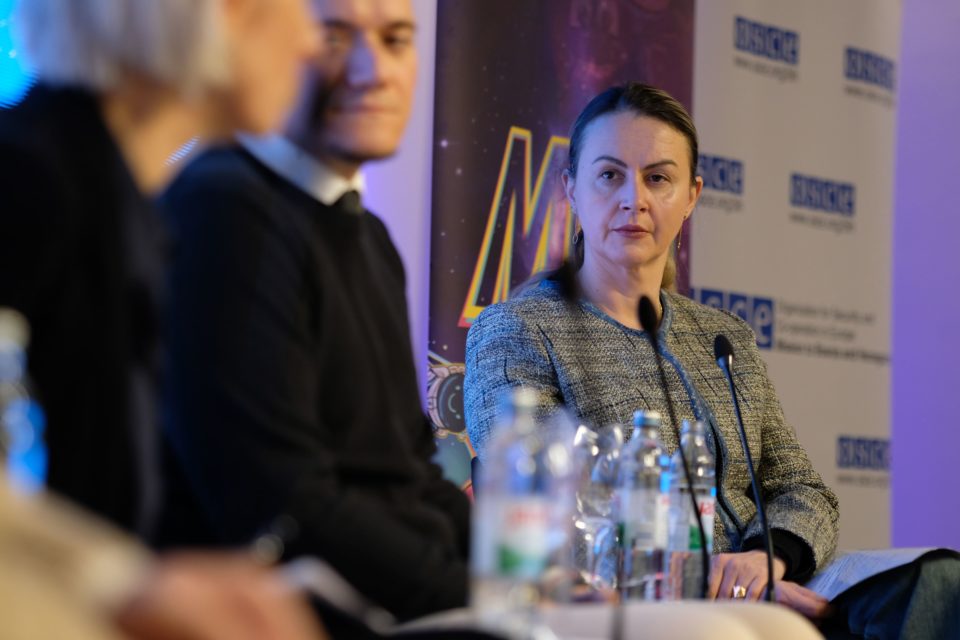
Nikola Kandić from the RYCO office in BiH emphasized that the process of building trust between the countries in the region was not finished with Dayton: “Trust cannot be imposed – it must be built. This is exactly why RYCO includes young people in joint programs, because they have the potential to change the narratives in the region.”
Young People Working Together for a Better Future
Kandić noted that Western Balkan societies are still deeply divided, and institutions often fail to offer enough support: “Unfortunately, many government institutions still do not sufficiently support these activities, and the support of academic and educational workers is often lacking. RYCO strives to involve young people in deciding on topics that interest them and giving them the opportunity to actively shape the future of their communities.”
RYCO was founded in 2016 with the support of the governments of Germany and France, abased on the idea that young people from the region should unite and work together for a better future. According to Kandić, it is a unique mechanism because its Administrative Board includes representatives from the six governments of the Western Balkans (Albania, BiH, Montenegro, Kosovo, Serbia, and North Macedonia) and six youth representatives. The organization’s main goals are to promote dealing with the past, regional cooperation, and reconciliation.

“Trust is difficult to build, even in one’s own home, let alone in societies affected by war. That’s why it’s important to work not only on the formal government duties, but also with citizens, especially the young generations who bear the burden of the 1990s,” concluded Kandić.
PCRC’s Velma Šarić reflected: “Our country is open to negotiations with the European Union. This is an important moment and an additional opportunity to open up to the European perspective, especially for young people, through mobility and numerous EU programs.”
The young people from 20 cities in BiH, as well as the regional activists who participated in the conference, agreed that the detailed introduction to the work of international organizations gave them a more complete picture of their role and expressed hope that they will continue to be supported in their work.
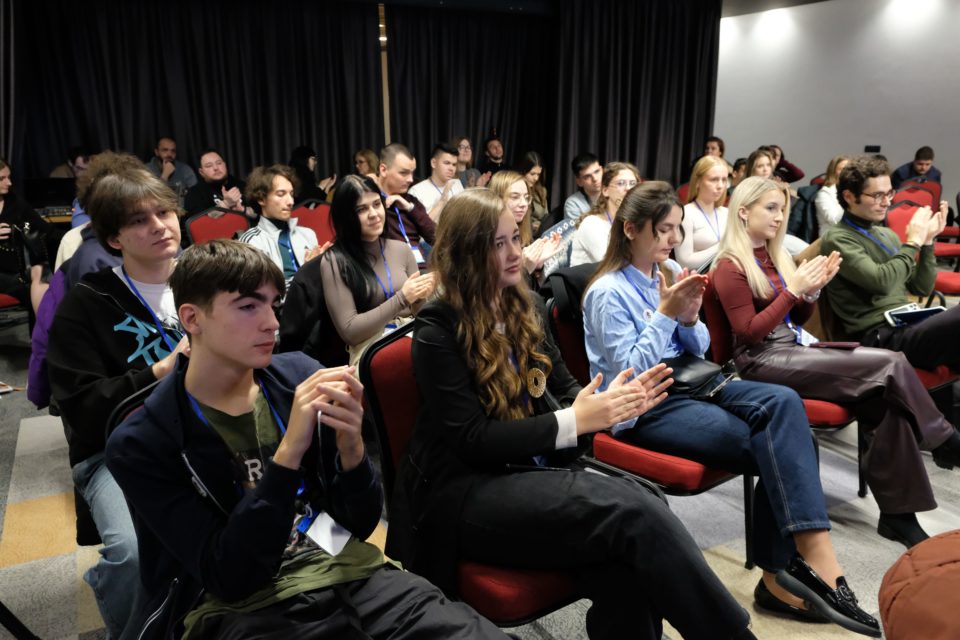
“The presentations were interesting, instructive, and made me think about how important it is to preserve the peace we’ve had these last 30 years. It was special for me to see young people from different backgrounds talking together about peace and the future of Bosnia and Herzegovina,” said Uma Hadžiefendić, a participant from Tuzla.
The conference was held on December 1, 2025, in Vitez, organized by the PCRC with support from the OSCE Mission to BiH and the Pro Peace organization and co-financing from the European Union. In addition to young people and representatives of international organizations, the conference was attended by representatives of non-governmental organizations, domestic institutions, and the academic community.