As part of the AfterSchool program, volunteers in Sarajevo, Mostar, Zenica, and Tuzla help children without parental care by providing them with academic support as well as extracurricular workshops and similar activities designed to build self-confidence, teamwork, and other skills that will be useful to them in the future.
By helping them develop their skills, the program gives children valuable experience and contributes to building a better society.
The AfterSchool program was launched by the Bosana Foundation 15 years ago, in response to problems and needs of orphanage residents that they saw during their fieldwork. Bosana Director Ajlana Osmanagić recalled that during their visits to these facilities, they noticed that children did not have access to additional academic support during their primary and secondary education. This is reflected in the decisions of many later not to enroll in college, due not only to financial challenges but also to insufficient prior knowledge and low academic performance.
For Osmanagić, this was a sign that they needed to offer academic support in a timely manner, so that orphanage residents would be ready when the time came to enroll in college.
Accordingly, the priority of the AfterSchool program was to offer instructional classes, help with homework, and prepare students to for their future academic path. The program was first launched in Zenica in cooperation with the Input Center, coordinated by Adi Salčinović, who said that despite modest beginnings, the changes that followed were extremely significant for the residents of the public institution Dom-Porodica Zenica.
Trust and Shared Growth
“The changes I’ve noticed over the years are profound. Children who were initially withdrawn and insecure are now proudly presenting their work, taking initiative, and helping younger children. This is proof that education isn’t just about transferring knowledge, but also about building relationships, trust, and mutual growth,” says Salčinović.
The example from Zenica has begun to spread. As part of the AfterSchool program, in cooperation with the IUVENTUS Association for Children and Youth in Bosnia and Herzegovina, numerous activities are regularly held in Sarajevo and Mostar, from instructional classes to creative workshops. Over the years, the program has built a strong collaborative network with institutions and organizations, including centers for social work.
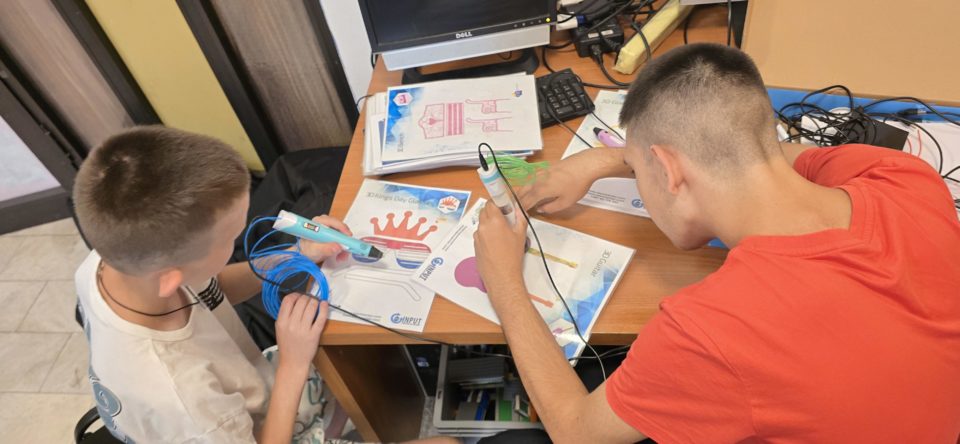
“We work directly with orphanages, foster families, and families identified by social work centers as needing additional support. We have very good relationships with social work centers throughout Bosnia and Herzegovina, which allows us to act in a coordinated manner and to be present where we’re most needed,” said Bilal Kovačević, president of the IUVENTUS Association and a long-time associate of the program.
He added that the program’s greatest value stems from consistency, presence, and sincere support.
“These aren’t grand gestures, but small things that are repeated day after day: conversation, encouragement, working together on a task. It’s precisely these moments that build trust and open up space for change,” said Kovačević.
Notably, the program’s mission is not limited to supporting residents but extends to empowering volunteers who selflessly donate their time and energy to the community. Through volunteering, they have the opportunity to develop various skills, gain experience, and contribute to society in the most humane way.
Romana Galin, one of the program coordinators and a long-time volunteer, recalled the early days of the program, when the group of volunteers consisted of just a few passionate individuals.
“What makes the AfterSchool program special is the warmth and connection among all participants – volunteers, children, and coordinators. The program isn’t just a project, it’s a community built on trust, support, and friendship. Every meeting, every workshop, and every training carries a deeper meaning, because behind it is a sincere desire to help, encourage, and inspire,” said Galin.
She added that the program changes not only the children, but also all those who participate: “We learn patience, understanding, and the true value of giving to others.”
Patience, Empathy, and Consistency
Danijela Vejzović, a long-term volunteer of the program in Tuzla, also spoke about the importance and benefits of volunteering. In addition to studying medicine, she regularly spends her time working with children who lack parental care. Vejzović points out that working with children left a deep mark on her personal and professional development.
“In working with children, I learned the most about patience, empathy, and consistency – qualities that are key to any interaction. Every new encounter with children brings a new experience and reminds me how much room we always have for personal growth. These skills are extremely important for my future profession as a doctor, because through volunteering I learned to better understand human needs and the importance of a careful approach to each individual,” said Vejzović.
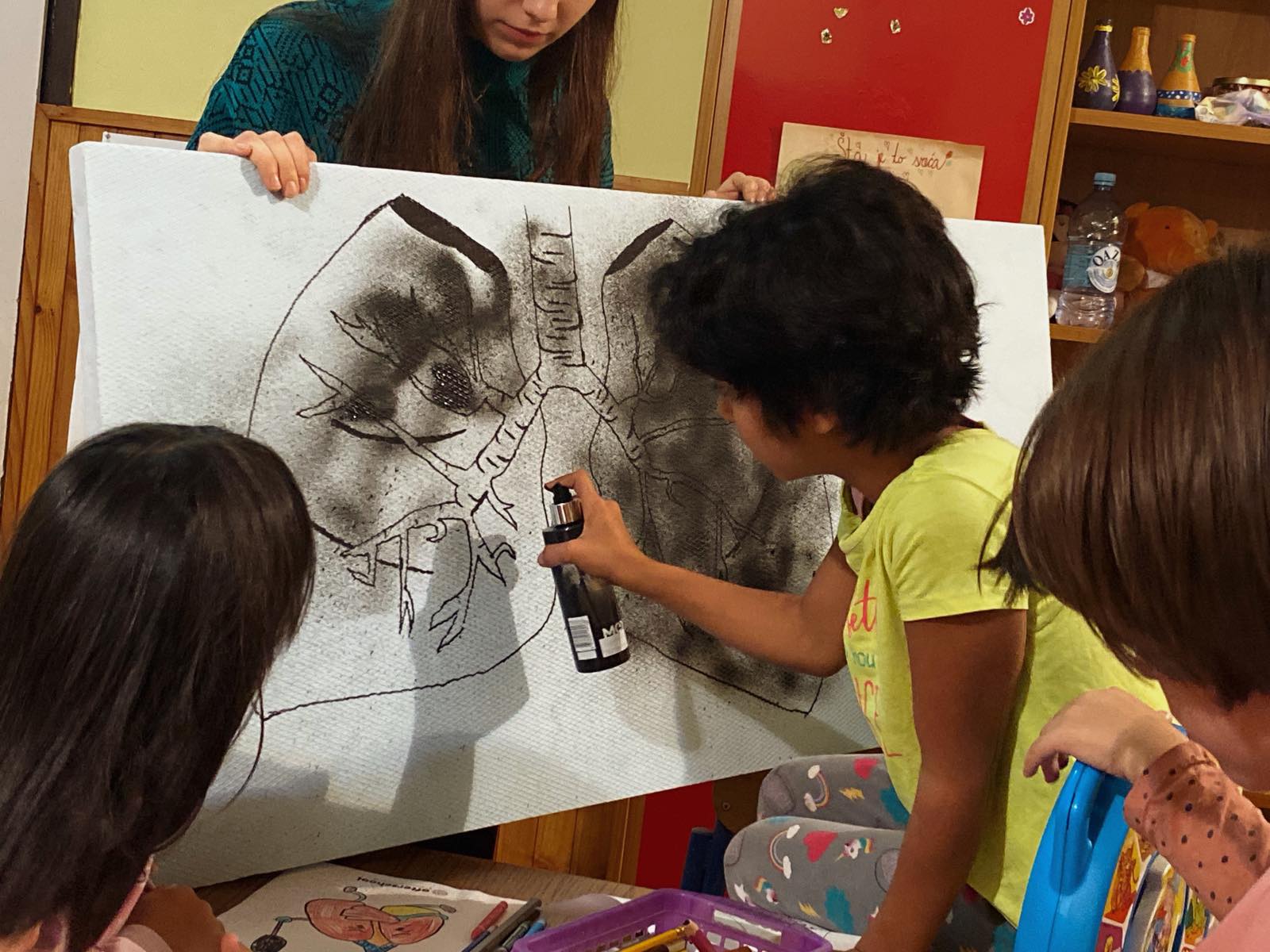
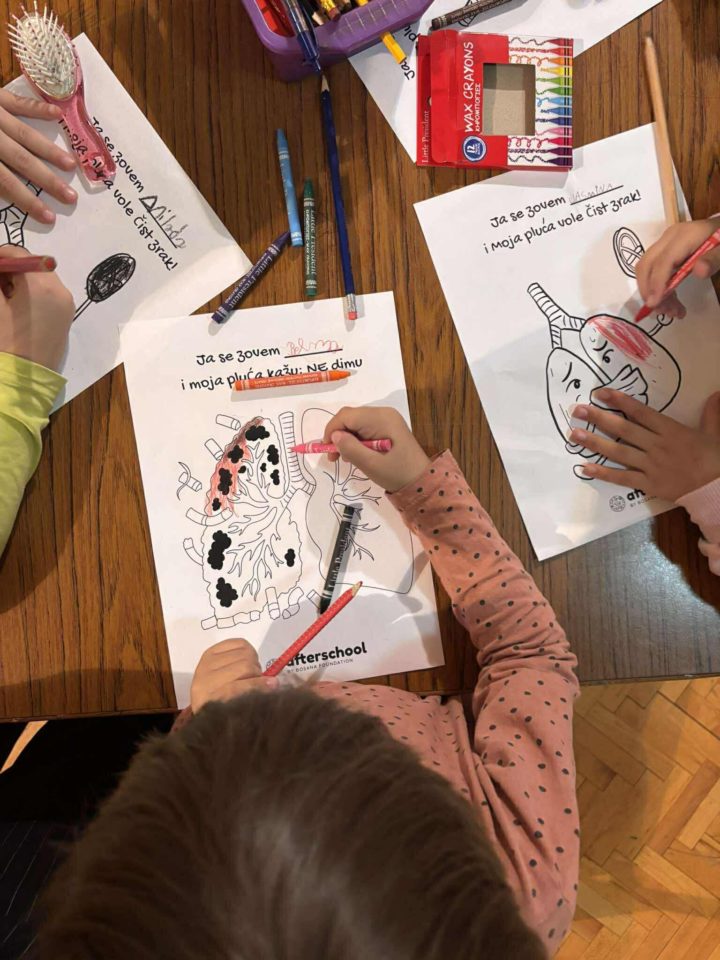
Today, the AfterSchool program offers much more than just educational classes. It includes a wide range of activities, including creative workshops, music lessons, first aid training, lessons on important topics like the dangers of smoking, health and nutrition education, and various athletic activities. The goal is to provide children with not only additional academic support but also the opportunity to develop skills, self-confidence, and team spirit.
Although the majority of volunteers are young Bosana Foundation scholarship holders, all interested parties are welcome to join and contribute to the community. The program is constantly evolving, and the number of volunteers is growing year by year, which clearly demonstrates its importance and impact.
Vejzović invites anyone who wants to experience the sense of fulfillment and all the values of volunteering to join the program.
“I believe that an individual can do a lot, but together we can do everything. That’s the motto I always follow. Togetherness, acquaintances, and friendships that arise through volunteering are the key to progress, development, and true humanity,” said Vejzović.