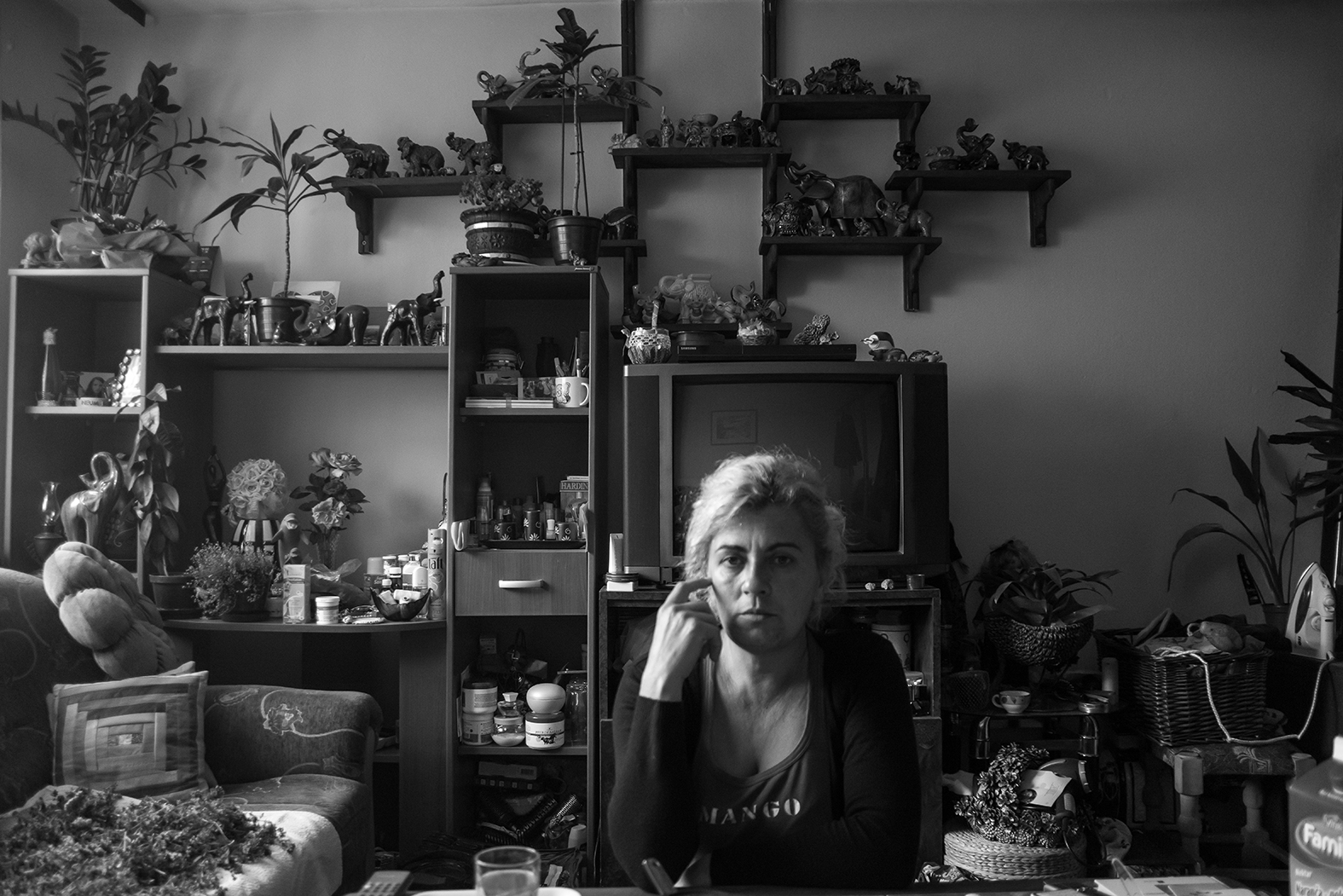
There is still no memorial for survivors of wartime sexual violence in Bosnia and Herzegovina (BiH), despite the significance it would hold for survivors as a recognition of their suffering, courage, and dignity, but also as a symbol of remembrance of the evils of war.
The first such memorial is planned to be built in Vogošća, in the complex of the former Kon-Tiki camp, as part of a project by the Sarajevo Memorial Center and the Federal Ministry of Labor and Social Policy. The opening is to happen on June 19 this year, the International Day for the Elimination of Sexual Violence in Conflict. Whether the tender procedures will slow the process down, however, remains an open question.
The importance of commemorating women who suffered wartime sexual violence is best articulated by the women themselves. One of them, Midheta Kaloper, believes that it is extremely important for victims of sexual abuse to have a memorial.
“Such a memorial represents an act of public recognition of our suffering, courage, and dignity. It wouldn’t just be a symbol of remembrance of the evil suffered, but also a message to society that such crimes must never be forgotten or repeated,” says Kaloper, who was captured and sexually abused by Bosnian Serb forces in Foča in the summer of 1992, when she was just twenty years old.
Out of her traumatic experience, but also the desire to fight for dignified tributes to hundreds of other female survivors, Kaloper founded the Foča 92–95 Association of War Victims. Her message today speaks not only of the past, but also of what BiH has not yet done: it has not found a way to give lasting, public, and institutional recognition to women who survived wartime sexual violence.
Such recognition would not be just a symbolic act. In a society that, for decades, has often asked victims to remain silent, withdraw, or bear their trauma alone, a monument would mean that their experience is finally inscribed in public space, in collective memory, and in the history of this country.
An Almost Non-Existent Culture of Remembrance
Although sexual violence and rape during the war in BiH have been the subject of numerous court rulings and internationally recognized facts, the memorialization of women who survived these crimes is still, as Kaloper says, “very low.” More precisely, she believes it is almost non-existent.
“To this day, in Bosnia and Herzegovina, we do not have a single memorial dedicated to victims of sexual violence from the war period,” she warns. Although there are numerous rulings that have established the crimes committed, they have not yet been translated into a culture of remembrance, which would include memorials, plaques, or places of remembrance at the sites where these crimes occurred.
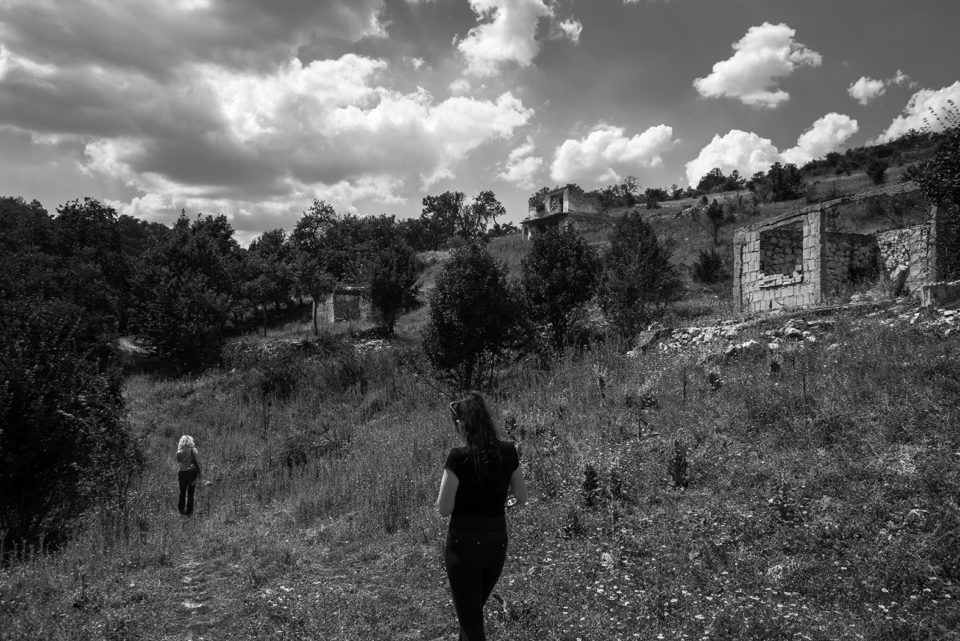
This situation speaks not only about the relationship to the past, but also about the present. Memorialization is not a question of aesthetics or urban planning, but a question of values: who does society recognize, whose suffering does it acknowledge, and whose experience does it consider part of its shared history.
The Federal Ministry of Labor and Social Policy and the Sarajevo Memorial Center, as part of the project to build the Memorial to the Victims of the War Crime of Rape in Bosnia and Herzegovina, have achieved a milestone in terms of memorial culture and paying tribute to all victims of the war crime of rape. The construction of the memorial is planned in the former Kon-Tiki camp in Vogošća, where war crimes, including sexual violence, took place. The plan is for the memorial to be opened on June 19 this year.
“The tender for the construction of the memorial has been canceled twice so far, since there were no registered bidders. The procedure for re-announcing the tender is currently underway. We hope that this time the process will be successfully completed, and that the realization and construction of the memorial will begin as soon as possible,” said the Sarajevo Memorial Center.
The memorial to the victims of the war crime of rape in the former Kon-Tiki camp in Vogošća, according to Sarajevo Memorial Center Director Ahmed Kulanić, will be a place of collective consciousness—a place where we will acknowledge as a society and the world all the brutality that our mothers, sisters, and daughters experienced during the war in BiH.
Pending this memorial, Tea Pokrajčić, a human rights advocate and legal expert for transitional justice from the Kvinna till Kvinna Foundation, says that the memorialization of these victims in BiH is almost non-existent, especially in the institutional sense.
“There’s no central memorial site dedicated to these women. What exists comes mainly from non-governmental organizations that have carried the burden of remembrance and advocacy alone for years. The state is slow, and when there is political will, it’s often fragmented across entities,” explains Pokrajčić.
According to her, victims have not been adequately recognized either symbolically through memorials, materially through reparations, or socially through ending stigma in communities.
A similar perspective from a regional perspective is offered by Nela Pamuković from the ROSA Centre for Women Victims of War. However, she notes that BiH, Kosovo, and Croatia have nevertheless made certain steps forward in legally recognizing the status of victims of sexual violence in war, while in Serbia, this is still far off. Yet, she warns that even where laws exist, this does not mean that standards have been achieved in practice.
Speaking about Croatia, Pamuković recalls that the adoption of the Law on the Rights of Victims of Sexual Violence in War in 2015 represented an important turning point in the symbolic recognition of traumas that had been invisible for decades, but that the implementation itself showed numerous shortcomings. Many women learn about their rights late, often thanks to the work of civil society organizations rather than the institutions that should inform and support them.
This comparison further emphasizes how much memorialization in BiH is still an unfinished process: there are formal advances, but a consistent and visible culture of public recognition is missing.
Although there is still no memorial in BiH, there is a global memorial that includes survivors of wartime sexual violence from BiH. It is a traveling monument, which is currently on display in Berlin. The initiative to include women from BiH in the global traveling monument was led by the Post-Conflict Research Center, which has been collaborating with British artist Rebecca Hawkins and her team on the Petrified Survivors Memorial since 2021. On the memorial sculpture, BiH is represented by white roses.
The sculpture was ceremonially presented in June 2025 at the residence of the British ambassador in the Netherlands, and then inaugurated in Berlin on September 9, 2025. The event was attended by survivors from Afghanistan, Iraq, and Kosovo, and featured speeches by Nobel Laureate Nadia Murad, Mayor Stefanie Remlinger, and German Federal Minister Dorothea Bär. Currently, the sculpture is on display on the Ernst-Friedrich-Promenade in Berlin’s Mitte district, next to the Berlin Anti-War Museum, and it will continue its global journey in 2027, carrying a strong message of the need for justice and solidarity with survivor communities around the world.
Between Law and Reality
The absence of a memorial is indicative of the systemic invisibility that survivors in BiH have faced for years. This is also evident in the legal framework, which remains fragmented across the country’s territory. In the Federation of BiH, survivors of wartime sexual violence were first recognized in 2006 as a distinct category of civilian war victims. The new Law on the Protection of Civilian Victims of War, adopted three years ago, introduced numerous improvements.
During the adoption of this law, Adnan Delić, the Federal Minister of Labor and Social Policy, stated that significant effort and expertise had been invested in its preparation by both ministry employees and representatives of associations of civilian war victims. The law introduced many improvements compared to the previous legal framework and, for the first time, formally recognized survivors of sexual violence and children born as a result of these crimes as a category of civilian war victims.
“The Law on the Protection of Civilian Victims of War is the result of a struggle that lasted almost three decades, and this day is a great victory for all those who have persevered in its adoption all these years,” Delić said when the law was adopted.
Unlike the Federation of BiH, the Republika Srpska entity passed a law in 2018 that systematically regulates the rights of survivors of torture, including sexual violence, but with serious limitations. There is still no single law at the state level on civilian victims of war or victims of sexual violence, so the survivors’ rights are still fragmented and dependent on place of residency.
Pokrajčić warns that this has created a visible hierarchy of victims in post-war BiH.
“Survivors of sexual violence, of whom there are estimated to be between 20,000 and 50,000, have been invisible even in the legal sense for years. They have survived a double trauma: the trauma of violence itself and the trauma of institutional oblivion,” she says.
A similar assessment is made by Bakira Hasečić, president of the Women War Victims Association, which has been fighting for the rights of female survivors for more than two decades. As one of her greatest achievements, she highlights the fact that many women, encouraged by the association’s public advocacy and statements, have found the strength to break their silence and speak out about what they survived.
The association was also a proponent of changes to the legal measures that ensure women certain rights and entitlements, including monthly financial benefits. However, Hasečić warns that the full implementation of these rights remains difficult.
“Although there are legal frameworks, their implementation in practice is not always consistent or accessible to everyone,” she says, emphasizing that survivors continue to fight every day for adequate health and psychological protection, economic security, and a dignified life.
In this sense, the regional experience that Pamuković points to shows that legal recognition, even when it exists, does not automatically mean real social recognition. It must be accompanied by accessible rights, information, support, and clear public messages that the experience of survivors is not marginal.
Memorials as Public Recognition, Not Just Symbols
This is exactly why the issue of memorials is not separate from the issue of justice. For women who survived wartime sexual violence, public recognition through a memorial does not mean only the presence of a stone or bronze statue in a public space. It means that society is finally saying what it has kept silent for too long.
“The memorial is not just stone or bronze, it’s a public statement by society: this happened, this is important, these women exist,” says Pokrajčić. For survivors, she adds, visibility in the public space can be a form of institutional confirmation that many of them never received either in the courtroom or in the local community.
Hasečić also explains this importance through conversations with the women in the association. As she states, for many of them, the memorial would represent a symbol of dignity and a permanent reminder of the events that were publicly discussed and witnessed for the first time.
“It would also be an important historical fact for the younger generations, with the aim of ensuring that such crimes never happen again to anyone,” says Hasečić.
Pamuković also places memorials within the broader framework of transitional justice. As she points out, they are just one of its forms, along with criminal prosecution, reparations, institutional reforms, research, film, literature, and education. Their importance, she notes, also lies in the fact that the recognition of traumas that have long been invisible and unrecognized can contribute to both personal and collective healing.
In this sense, memorialization is not just a turning point in the past. It is also a message for the future. A monument would be a place where not only the memory of the crime is preserved, but also the strength of those who survived, testified, fought for justice, and refused to remain silent.
The Necessity of a Systemic Approach
When asked why initiatives to memorialize women who survived wartime sexual violence are progressing slowly, Hasečić answers that there is more than one reason.
“The biggest obstacle is the combination of political disinterest and social stigma. Political elites don’t see an interest in pushing this topic, and society still doesn’t have enough strength to impose it as a priority,” she says.

She adds that only when public pressure and clear political will come together can such monuments become the rule, not the exception.
Her assessment opens up a wider question: does BiH have a systemic approach to dealing with the past? Jadranka Miličević from the CURE Foundation believes that it does not.
“BiH has never had a systemic approach, a common program in dealing with the past. The entire structure of the state still prevents the possibility of making some common decisions for the well-being and future of all citizens,” says Miličević.
Pamuković goes a step further and warns that the issue of memorials to women who survived wartime sexual violence cannot be separated from the broader toxic political climate in the post-Yugoslav space. In societies where conflicts are not fully over, and nationalist policies continue to shape public space, memorialization often becomes a terrain for manipulating victims for daily political purposes. That is precisely why, she says, such memorials must be made carefully, in consultation with artists, experts, and activists, in order to avoid trivialization or abuse.
A Society That Still Refuses to Listen
How ready is Bosnian society today to listen to women who survived wartime sexual violence? Miličević’s answer is not encouraging.
“I don’t think Bosnian society as a whole is ready to hear the testimonies of women who survived wartime violence,” she says. She adds that there is already significant stigma surrounding women, and that even the mere mention of wartime violence in public discourse still remains a zone of discomfort, silence, or denial for many.
Hasečić warns that society still struggles to acknowledge the long-term nature of the trauma these women live with. It is not only about the physical violence they survived, but also about the deep psychological and social consequences that last for decades. Many women, she notes, still face misunderstanding, judgment, or silence from their surroundings instead of support and empathy.
In addition, society often fails to recognize their strength as well.
“Ultimately, society often fails to adequately recognize the strength and courage of these women—the fact that they survived severe abuse, spoke out about it, and are actively fighting for justice and dignity, not only for themselves but also for future generations,” Hasečić emphasizes.
Pamuković reminds us that even during the war it took a long time for women to reach a position where they could speak out at all. Many were then living in extremely insecure conditions, caring for children or elderly family members, and lacking basic survival needs, while their experiences were not socially recognized. Precisely because this is a trauma that is so difficult to speak about, its public acknowledgment must carry additional weight.

Here, memorialization gains added importance. A monument is not only a recognition of what was done to women, but also of what these women have become in spite of it: witnesses, activists, carriers of memory, and guardians of truth.
A Memorial as a Shared Place of Humanity
In the divided Bosnian society, where even the most basic moral issues often turn into political disputes, the question arises whether a memorial to women who survived wartime sexual violence could become a new reason for division.
Kaloper believes that it should not: “The suffering of the victims must not be a subject of division or a political issue. On the contrary, such a memorial can be a powerful symbol of collective memory, empathy, and respect for all those who suffered such crimes.”
She believes that the memorial could represent an important link between communities in BiH, reminding us of the need for solidarity, understanding, and a common fight against violence.
Pokrajčić speaks similarly. Although she admits that every memorial in BiH carries the risk of politicization, she believes that the topic of wartime sexual violence has the potential to transcend ethnic divisions.
“The crime of sexual violence is committed against women of all nations. If the design and narrative are carefully constructed so as not to name the perpetrators on an ethnic basis but to recognize all survivors, this memorial can become one of the rare places of shared humanity,” she says.
Pamuković also warns that symbols themselves are not immune to abuse. In the Croatian experience, she says, memorials and visits to monuments have often been used to perpetuate nationalist narratives, rather than to create spaces for accountability and learning. That is why the question is not only whether a memorial uplifts the public, but also how society uses it after it is erected.
The Sensitivity Of The Appearance Of The Memorial
The issue of the appearance and narrative of memorials is one of the most sensitive. Questions arise about how to design a monument that will be strong enough to speak, yet careful enough not to retraumatize, or how to avoid both the aestheticization of pain and its translation into cold institutional language.
Pokrajčić reminds us that there are two risks in the theory of memorialization: the aestheticization of pain, which can be dangerous because it sublimates trauma into something “beautiful,” and explicitness, which can retraumatize or shock without context.
“The design should be dignified, but not sterile – it should convey emotion without exploitation. The narrative must be in the first person of the survivors, not institutional language. Ideally, survivors should be co-creators of both the design and the narrative – not objects of memory, but subjects,” she emphasizes.
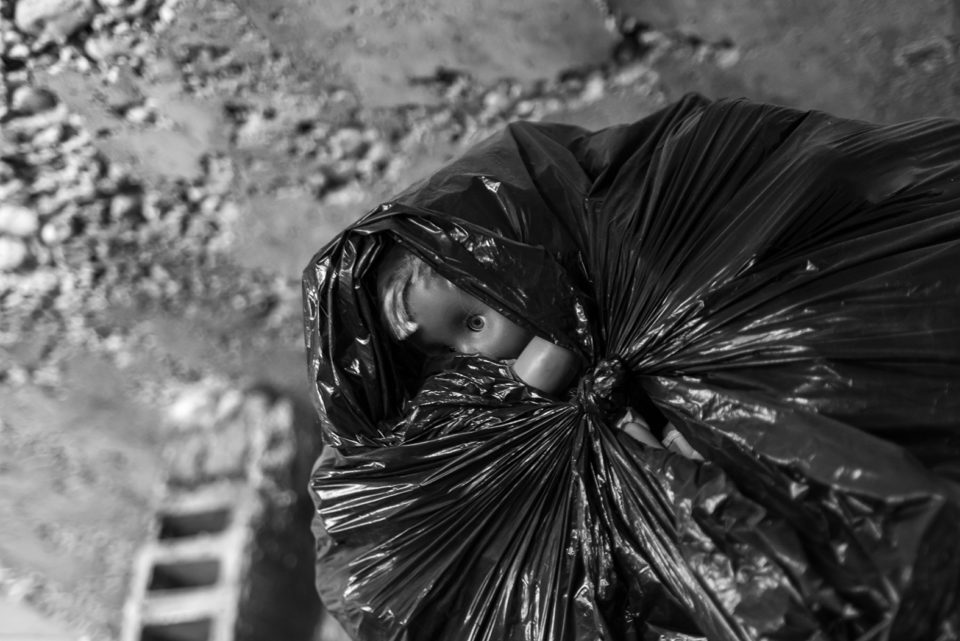
Kaloper also believes that the monument does not have to be explicit, but it must be symbolic and dignified.
“Perhaps it would be appropriate for the memorial to be designed in a way that is universal and neutral, but strong in its message,” she says, bearing in mind the fact that BiH remains a deeply traditional and patriarchal society.
Such an approach, she believes, could help the memorial to be accepted by the general public, while at the same time maintaining deep respect for the victims and their experiences.
Pamuković adds that such a memorial must be created carefully and in dialogue with those most affected. Only in this way can it avoid becoming either an aesthetically softened version of trauma or a cold, voiceless symbol of the women whose experience it supposedly represents.
A Symbol Is Not Enough Without Education
However, the construction of memorial alone does not guarantee change. This warning has also been voiced by feminist activists from the region, who have been pointing out for years that memorials can remain empty symbols if they aren’t integrated within a broader educational, social, and political process.
Pokrajčić reminds us that memorials have multiple functions at the same time: witnessing, therapeutic, and educational. They tell future generations that a crime happened, provide survivors with a sense of public recognition, and can be places of learning if they have accompanying programs, interpretation, and context.
“However, memorials in themselves don’t change narratives if there isn’t any will to incorporate them into the educational system. A stone without a story remains a stone,” she warns.
Pamuković emphasizes that there is a real danger that monuments will remain only symbolic, without any impact on society. Therefore, she believes it is important to know the different forms of commemoration of the war crime of rape that activist groups across the region have developed, and to include this knowledge in regular educational programs. Without this, memorialization remains incomplete, and memory is locked in a ceremony that quickly ceases to have an impact.
In this regard, Miličević recalls the many years of initiatives to institutionally commemorate the suffering of women in war in BiH. The Womanless Face of War initiative marked December 8 as the Day of Remembrance of Women in War in BiH in 2015, and the proposal to formally adopt that date has been submitted to the country’s Parliamentary Assembly several times. To date, it has not been adopted.
This shows that the problem is not only the absence of a monument but the absence of the consistent will to organize the memory of women who survived war violence as part of the public culture of remembrance in this country.
A Fight of Over Three Decades
When she speaks about justice today, Miličević does not separate recognition from apology and responsibility.
“Recognition and apology should come not only from the system and the state, but also from all those who were violent and predatory and who were perpetrators of all forms of violence during the war,” she says.

Hasečić also warns that the judiciary, despite important progress, still does not provide a sense of complete justice. Processes are slow, the number of indictments is insufficient, witnesses are displaced, sick, or deceased, and even when there are verdicts, they are often mild or are accompanied by an increasing number of acquittals. This, she points out, further deepens the sense of injustice among victims.
Pamuković also brings an important regional perspective into this framework: the struggle of women and feminist organizations in the post-Yugoslav space has long been interconnected. Solidarity among organizations from BiH, Croatia, Serbia, and Kosovo was particularly visible during the adoption of legal provisions related to the recognition of the status of victims of sexual violence in the war. One of the strongest examples is the regional Women’s Court—a feminist approach to justice, held in Sarajevo in 2015, which brought together witnesses and activists from across the region.
In this context, a memorial cannot replace judicial justice, nor can it address systemic shortcomings. But it can do something else: it can break the institutional silence. It can become a place where the state, at least symbolically, will finally stand with those who have been left alone for too long to bear the burden of both memory and evidence.
A Memorial for Survivors: A Question to Society as a Whole
Finally, the issue of memorials to women who survived wartime sexual violence is not theirs alone. It is a question for the entire society. The question of whether BiH has the strength to include in public space what has been systematically pushed to the margins. The question is whether we are ready to admit that these women, who survived violence, stigma, silence, and institutional indifference, are part of the moral and historical backbone of this country.
It is quite certain that the memorialization of victims of sexual violence is crucial for the dignified recognition of their strength and courage. The appearance of the monument does not have to be explicit, but it is extremely important that it be symbolic enough to remind the public of the suffering women survived, but also of their perseverance in the fight to be recognized equally with other victims of the 1992-1995 war.
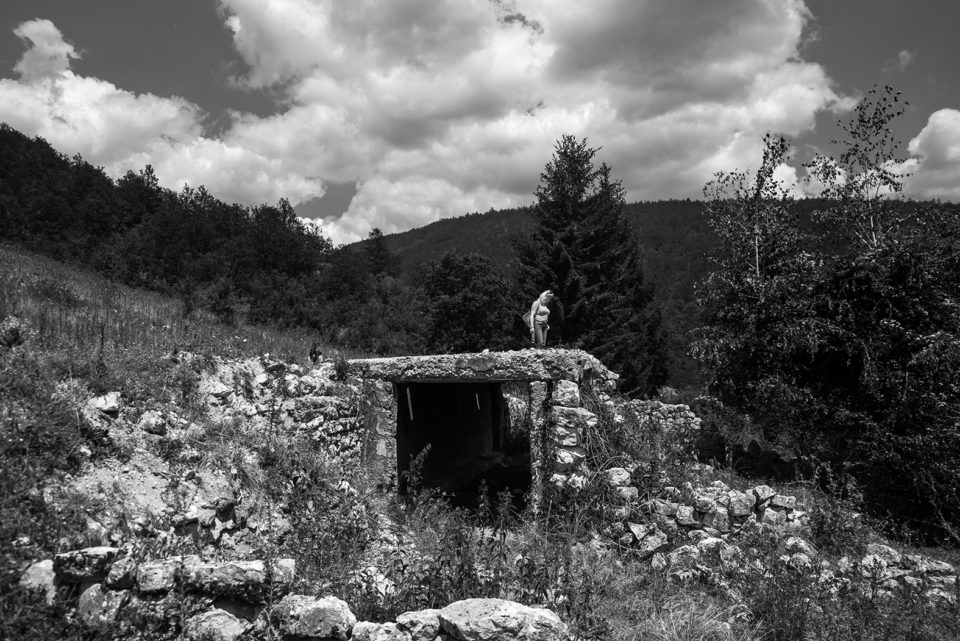
“Such an approach could help the memorial be accepted by the general public while maintaining a deep respect for the victims and their experience,” Kaloper says.
Perhaps this is precisely its essence: Not to speak for women, but to finally confirm that society has heard them. Not to reduce them to their suffering, but to acknowledge their resilience. Not to close the issue of the past, but to break the silence that has been going on for too long.
This article was created within the project “Generation Memory”, which is carried out by the Post-Conflict Research Center (PCRC), with the aim of developing inclusive, local peace-building practices and a culture of memory that encourage work on understanding, empathy and critical reflection among young people. The project is financed by UK International Development and is implemented in partnership with the British Council.