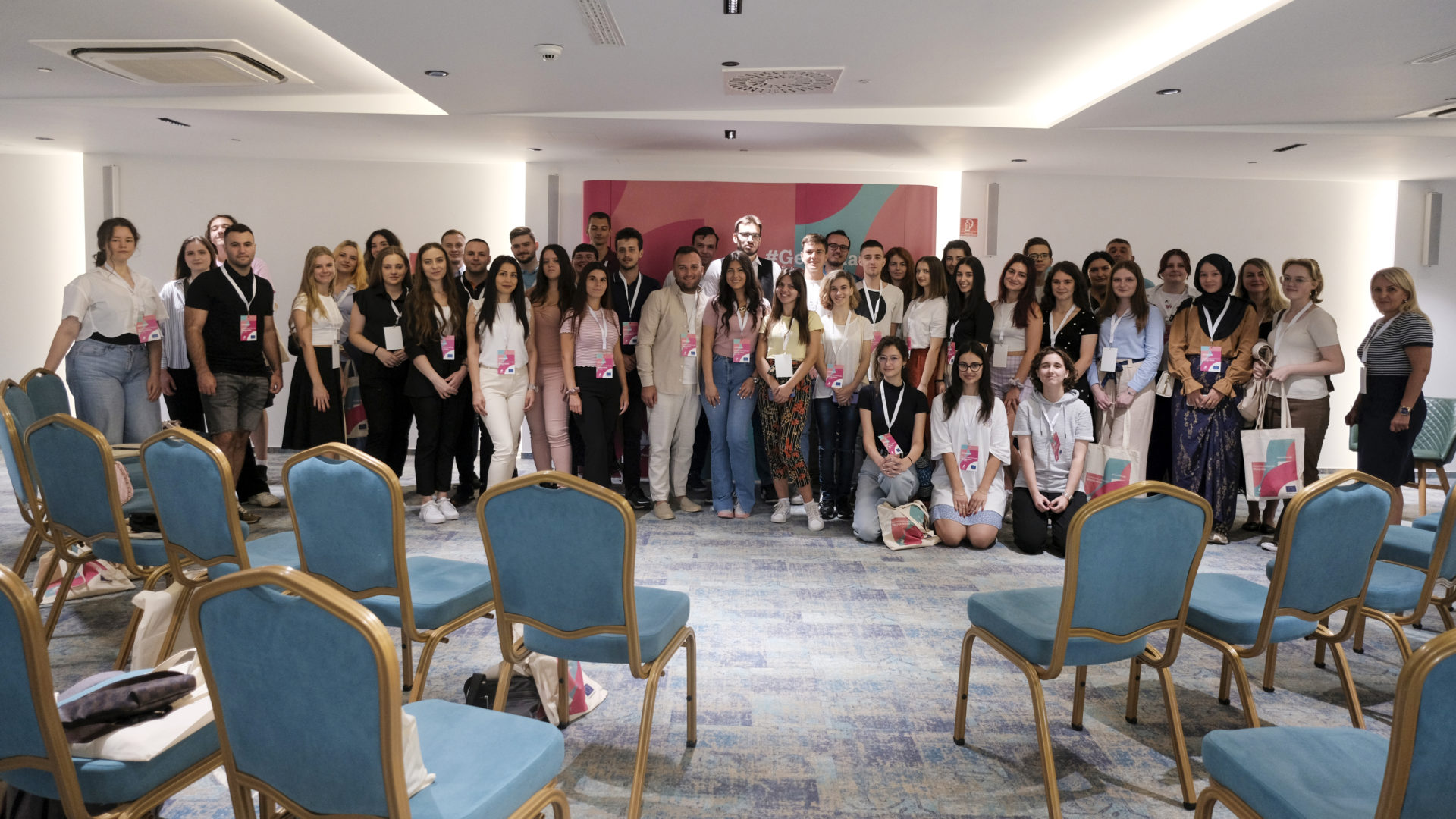
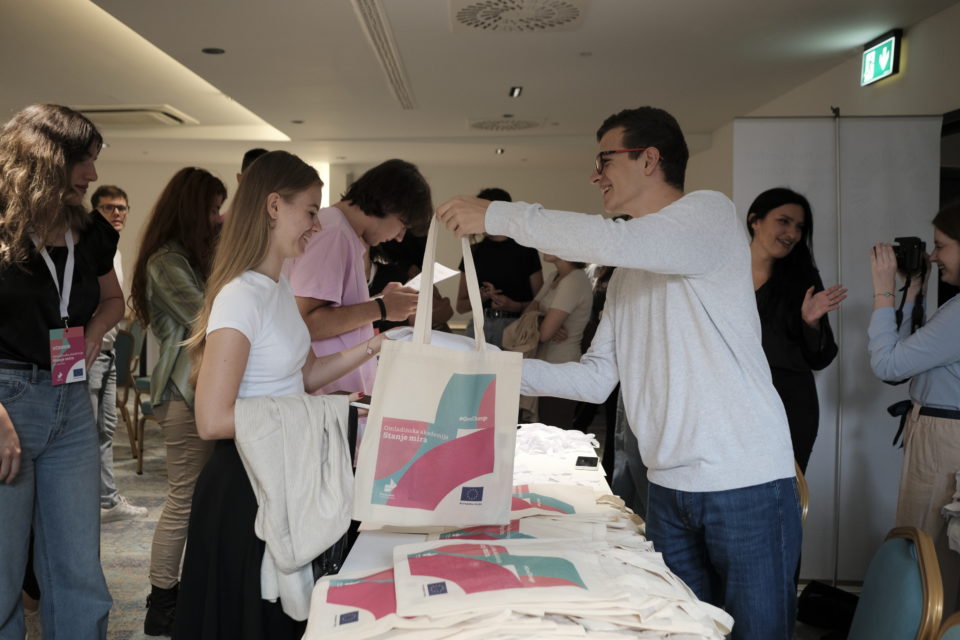
At the first ‘State of Peace’ Youth Academy, organized by the European Union in Bosnia and Herzegovina in cooperation with the Post-Conflict Research Center, 50 young people from the Western Balkans will learn about peace and democracy through cultural and artistic events, as well as educational workshops. Scheduled to take place from August 18 – 31, the program will encompass activities in Tuzla, Brčko, Sarajevo, and Vitez.
With its diverse activities across BiH, the EU seeks to encourage young people to take a more proactive role in societal development, inspiring them to participate in reform processes on the path to EU integration. The unique program of the State of Peace Youth Academy will enable participants to acquire new skills through workshops and educational visits, as well as provide them with a platform to forge new friendships with their peers from the region.
”Reconciliation programs that connect young people from the Western Balkans are not only bridges for the integration of countries into the European Union, but foundations for lasting peace, common prosperity, and a brighter future for the region. Programs like the State of Peace Youth Academy empower the next generation to overcome divisions, fostering mutual understanding and cooperation. I sincerely hope that this experience will have a positive effect on everyone who takes part in this program,” stated Johann Sattler, Head of the Delegation of the European Union to Bosnia and Herzegovina and the European Union Special Representative in Bosnia and Herzegovina.
Velma Šarić, Founder and President of the Post-Conflict Research Center, said that the goal of the State of Peace Youth Academy is to work together to contribute to a more prosperous future. The two-week program will develop mechanisms for coping with shared challenges based on tolerance and inter-ethnic dialogue, all while giving young people from the Western Balkans a chance to meet and socialize with one another.
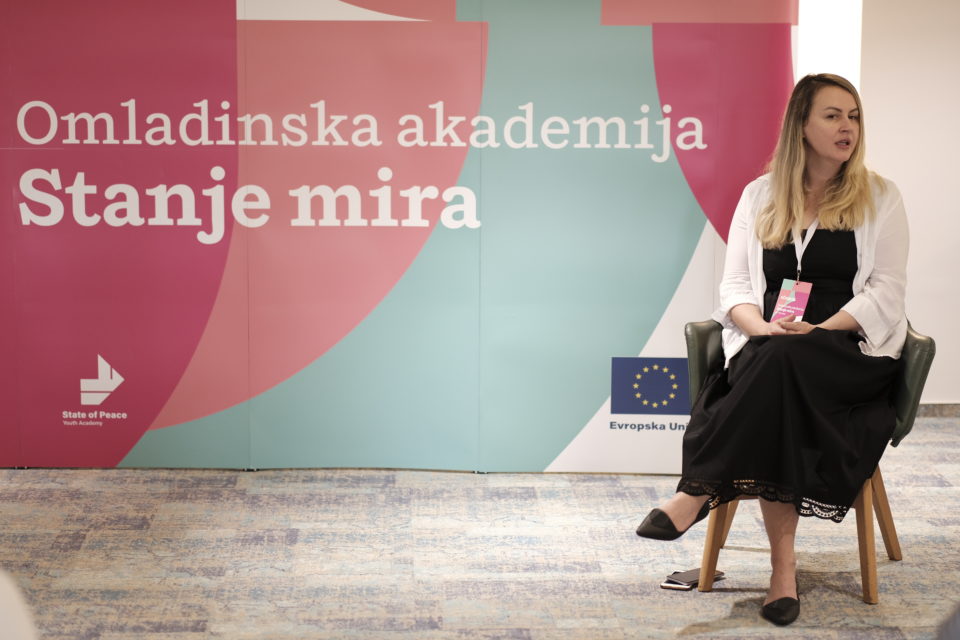
”Young people from Bosnia and Herzegovina, Serbia, Montenegro, and Croatia, who applied and were accepted into the academy, demonstrated their desire to contribute to the construction of democratic societies in the region,” explained Šarić, emphasizing PCRC’s work in peace education.
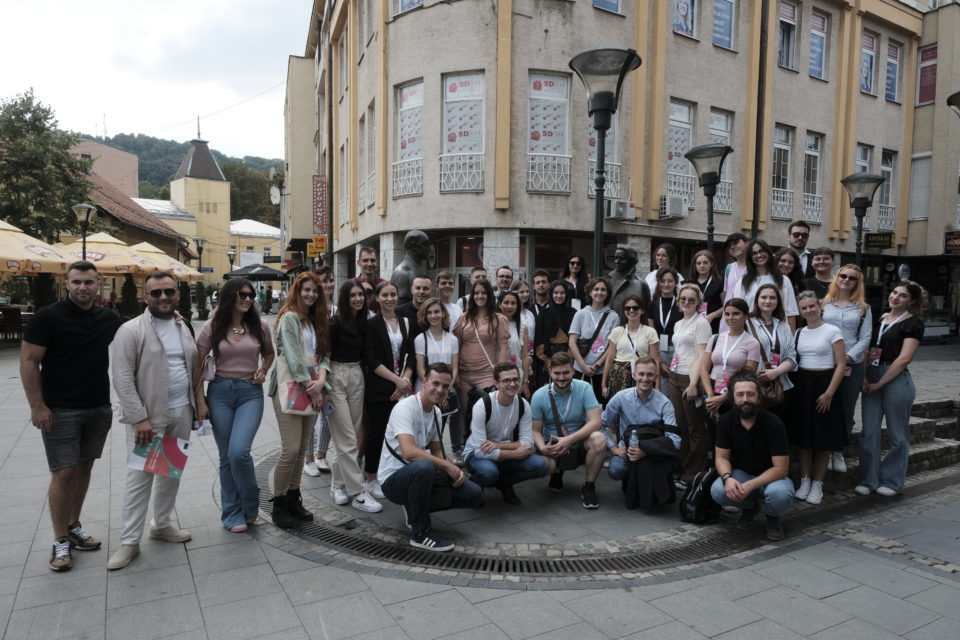
Through a two-week program, participants will engage in a series of workshops, study visits, and discussions with over 30 individuals, including decision-makers, activists, representatives of religious communities, non-governmental organizations, the international community, and human rights advocates from Bosnia and Herzegovina and the region. The State of Peace Youth Academy began in Tuzla, after which participants will visit Brčko, Sarajevo, and Vitez.