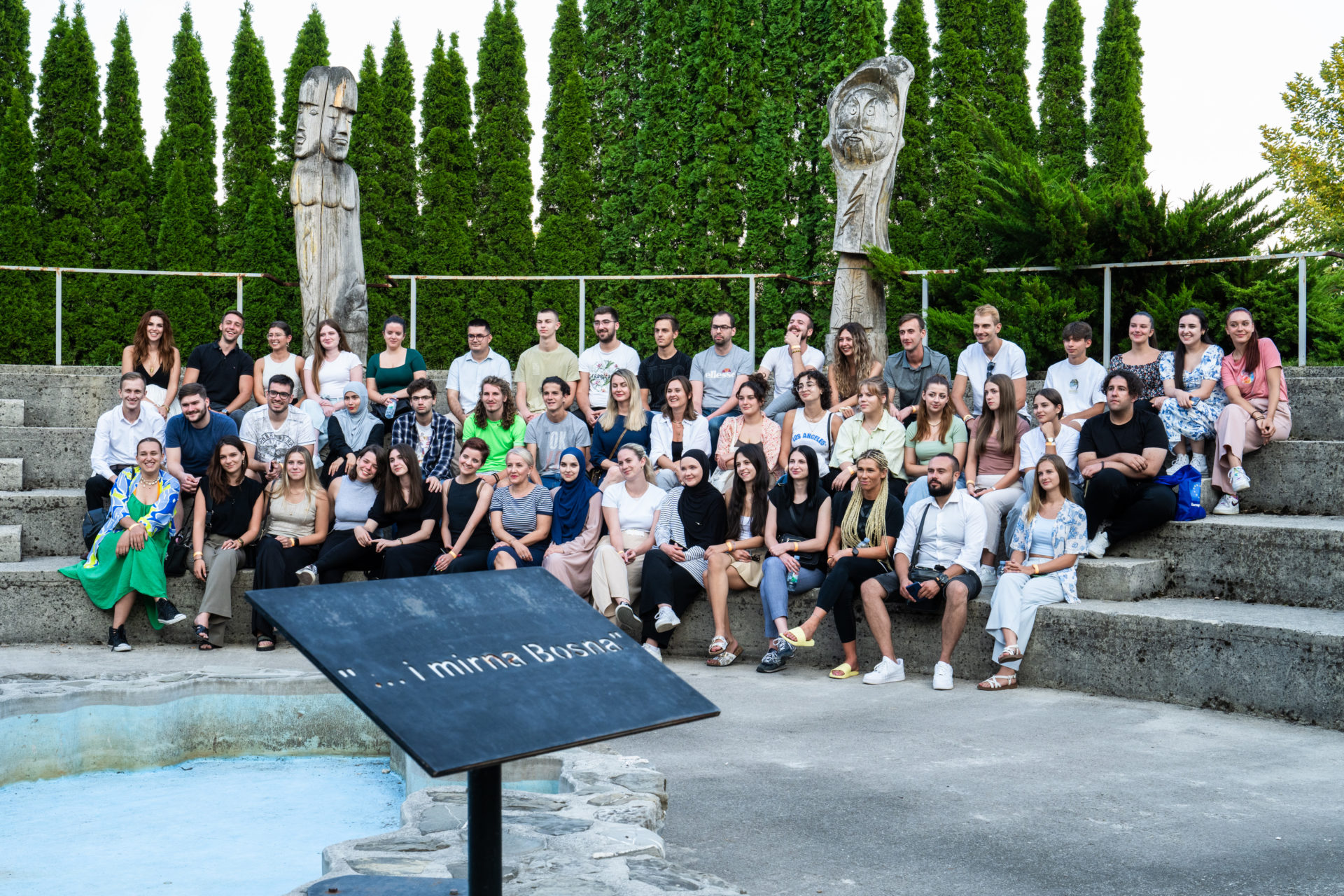
The second State of Peace Youth Academy has concluded, bringing together 50 young people from Bosnia and Herzegovina, Croatia, Serbia, and Montenegro. Organised by the European Union in Bosnia and Herzegovina in collaboration with the Post-Conflict Research Center, the conference actively engaged Western Balkans youth in the process of reconciliation for a second year in a row.
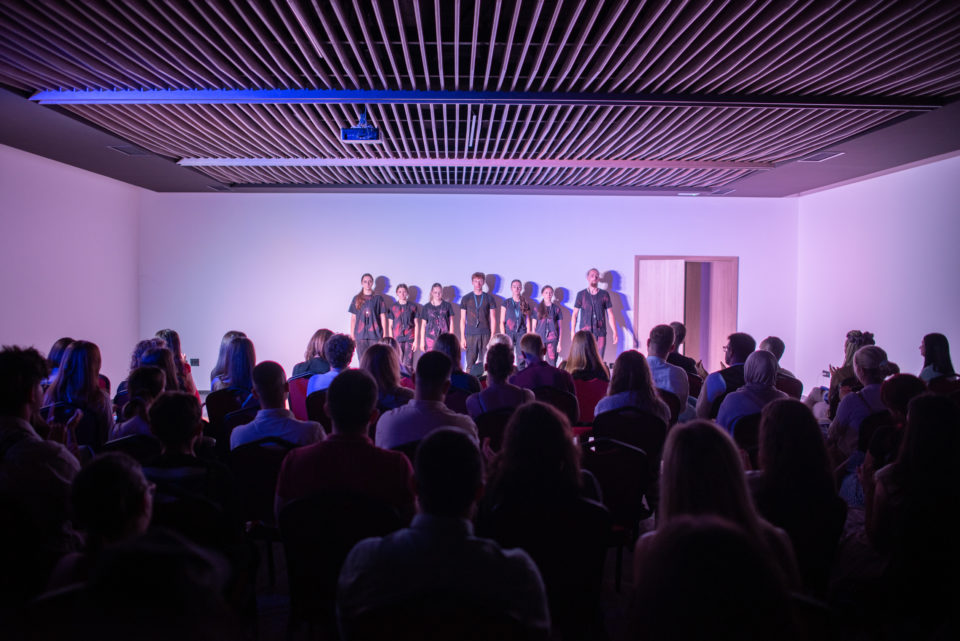
The event kicked off with an interactive theatre play by the City Theatre Vitez and a study visit to Travnik, where participants visited Hadži Ali-beg Mosque, the Church of St. Aloysius Gonzaga and the Orthodox Church of the Assumption of the Holy Mother of God, alongside Travnik fortress and house of Ivo Andrić. The rest of the programme brought interactive discussions and workshop on the topics of regional approaches to peacebuilding, dealing with the past and youth activism.
“Here, everyone was encouraged to share their opinion on a number of topics, and hearing different narratives is something that will certainly shape our opinions in the future. We are a new generation with a big task to overcome the disagreements of the past and move towards the future”, says Damjan Mitrović from Belgrade.
Uma Mahmutovic from Sarajevo believes that the role of young people in peacebuilding is very important – “We must communicate, travel, get to know each other and exchange opinions as much as possible in order to break the prejudices that have been built up for decades behind us, to forget the past and build a better future. I think there should be as many opportunities as possible like the State of Peace Academy, because that’s how young people from the region connect and get to know each other.”
The event was also an opportunity for participants to meet activists from various youth organizations in BiH involved in the project “Empowering Trust and Cohesion in Bosnia and Herzegovina’s Communities” jointly implemented by the European Union in Bosnia and Herzegovina, the United Nations in Bosnia and Herzegovina, the OSCE Mission in Bosnia and Herzegovina, and the Council of Europe-Office in Sarajevo, who shared their experiences and work on youth-led reconciliation initiatives in their respective communities.
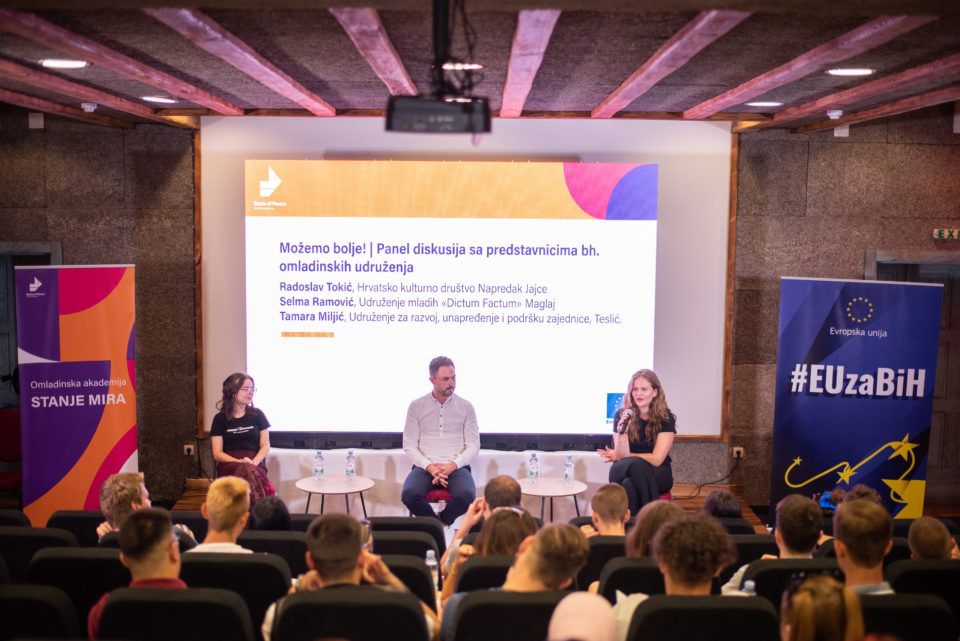
“The role of young people, in terms of overcoming the past conflicts of countries in the region, is very important, as we will be shaping policies in years to come”, emphasized Filip Čulić from Banja Luka and added that the conference left a very positive impression on him.
The conference is a continuation of the last year’s State of Peace Youth Academy focusing on building understanding, tolerance and connections between local and regional youth and learning how to cherish and celebrate the cultural, social, and religious differences in the Western Balkans.