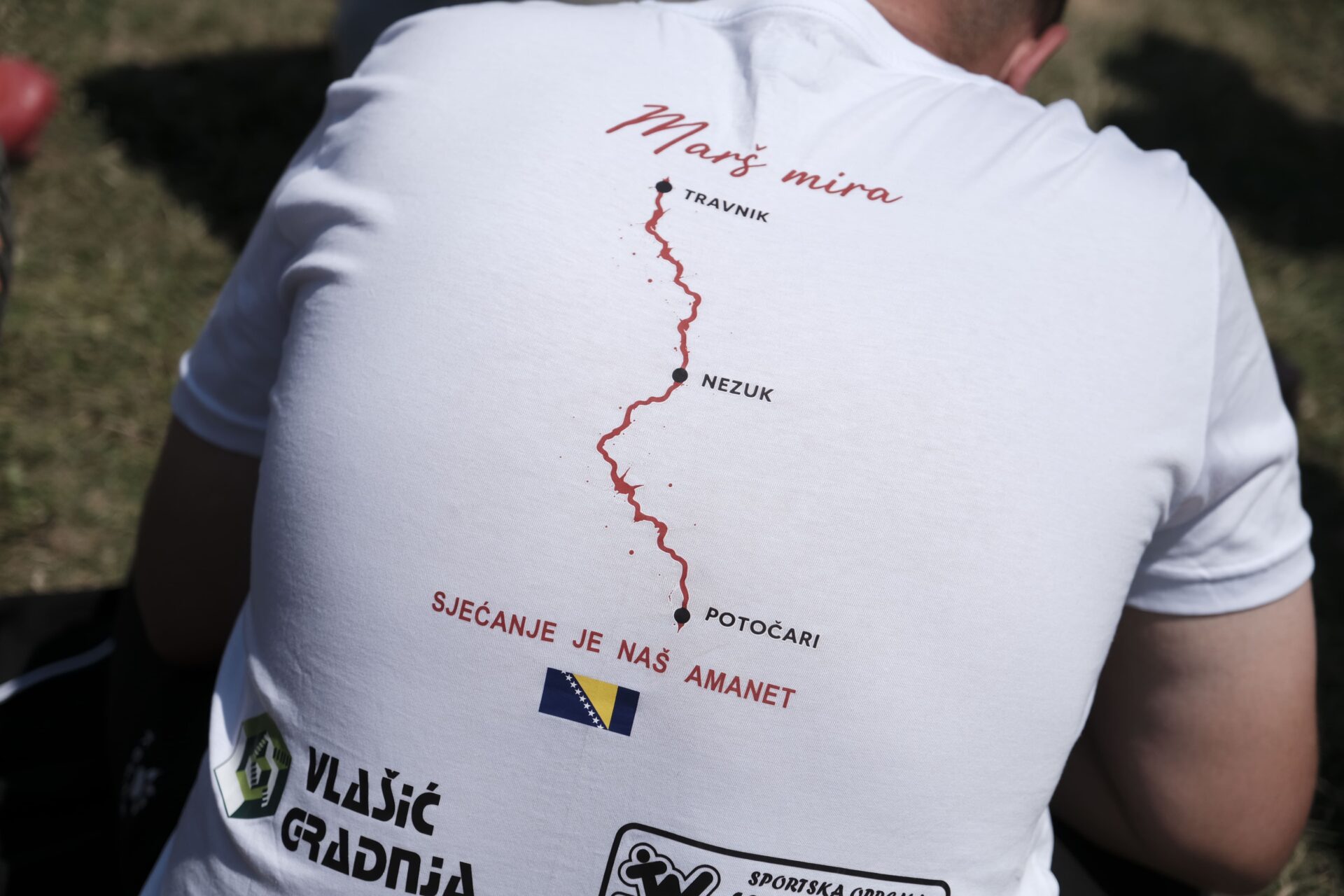
From July 8th to 10th, thousands of participants in the 22nd edition of the Peace March (Marš mira) walked more than 100 kilometers from Nezuk to the Memorial Center in Potočari.
Since 2005, this march has taken place every year to commemorate the victims of the Srebrenica Genocide, following the route 10,000-15,000 Bosniak men and boys used to escape through the forests in what is known as the “Death March.”
After General Ratko Mladić and the Army of Republika Srpska entered Srebrenica in July 1995, these Bosniak men set off from Srebrenica for the long walk to the free territory of Tuzla. During this trek, they evaded Serbian military and Bosniak Serb forces, who tried to lure the men to surrender by posing as UN peacekeepers or with false promises of safety. They encountered ambushes and gunfire. By the end of their arduous journey, only 3,000 men survived.
According to Enver Sečić, a survivor who took the route as a teenager, many water sources were also poisoned. Those in the march who had served in the former Yugoslav army had to warn people not to drink the yellow water.
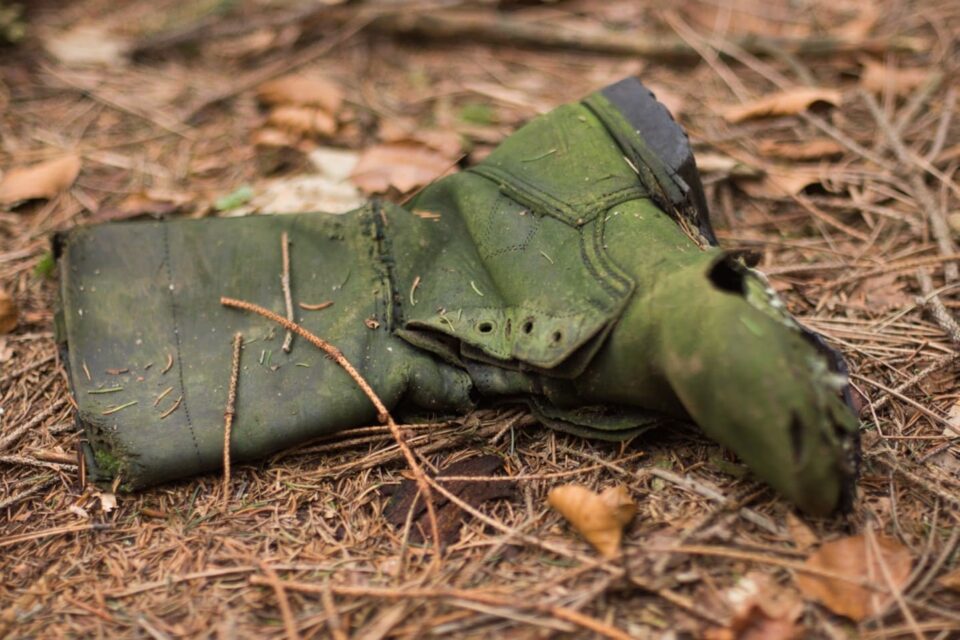
Today, Red Cross volunteers and medical teams are deployed along the route to provide first aid and emergency evacuations. They also follow clear instructions to avoid unexploded mines and fire hazards, and locals provide food and assistance at rest stops along the way.
The Zuković sisters from Switzerland, whose parents escaped the Bosnian war, reflected, “Thinking of how the people then did it, with hunger or even injuries, gives you energy to keep going.”
The route is marked with signage identifying primary and secondary mass graves as well as execution sites, with participants encouraged to pause and pray at each location. Survivors leading the march offer testimony and brief historical context, distinguishing the march from an athletic or recreational event and anchoring it in the memory of what was perpetrated there.
One of the mountain rescue team members, Velma Mustafić, whose husband’s father was a victim of the genocide, echoes this sentiment.
“Everything is emotional, everything is stressful, but walking is the smallest problem here”, said Mustafić.
She gives the example of an abnormally cold night on the 9th, but emphasizes that despite these challenges, everyone’s goal is to complete the journey.
This year’s march came one year after the 30th anniversary, which had drawn unprecedented international attention to Srebrenica. The 31st carries no round-number symbolism, but for those walking it—the diaspora, the survivors, the volunteers—the number has never been the point.
“Every march is different,” Mustafić remarks, who has just completed her third march.
In fact, the march has only grown over the years. In 2024, 1,400 people registered to participate; in 2025, 6,600 people registered; and this year, 6,300 people registered, but counting the ATV, motorcycle, and bicycle marches, and other marathons puts this year’s number at over 9,000 people.
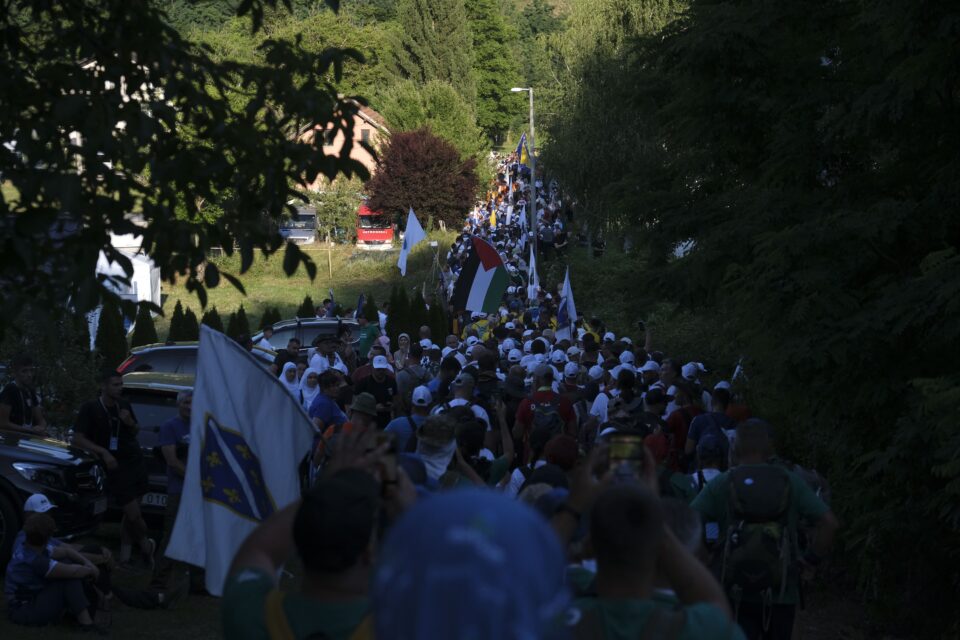
Adna Jeleč, project coordinator of the Center for Developing Youth Action, who participated in the Žepa march for the first time, was surprised by how many people on the march did not know her but took care of her. In particular, she was introduced to a group of more than 200 friends who had met during a march and came back to the march every year afterward. They look out for each other and can notice when someone is missing.
Aida Musić from Austria, whose mother lived in Srebrenica, was waiting at the Memorial Center for her nephew to finish the march. She expressed her deep appreciation that more and more people from different countries are showing their respect and not forgetting the tragedies of Srebrenica.
Indeed, participants do not need to have a personal connection to take part in the Peace March, living up to its other name, “Protest March,” which aims to mobilize all relevant actors at local and international levels.
“Activism and volunteerism are a part of us that we need to take care of. It is like a plant,” Jeleč notes.
Fundamentally, the march can raise awareness not only of history but also of the present world and its struggles.
Kevser from Turkey, who joined the march for the first time this year with peers from the same political activism organization, says she wants to understand the atmosphere in Srebrenica and remember the victims’ history.
One of Kevser’s peers, Seymi, states that while the Srebrenica genocide “happened in the past tense,” its underlying problems are human problems that still affect everyone. Thus, the emotions the march has elicited can serve as powerful reminders of the price of genocide.
For many participants, showing up at the march is not only about mourning the dead but about actively refusing the narratives that minimize or dispute what happened in Srebrenica and what is happening in conflict zones around the world.
For Jeleč, participating in the march was an “obligation” because when one learns about one conflict, one war, it is easier to understand peace and advocacy for any other place in the world.
During the last leg of the march, thousands of people, including some Mothers of Srebrenica, congregate along the road leading up to the Memorial Center. Their expressions show the emotion of the moment as they bear witness to the march’s conclusion—an annual reminder of their loved ones’ experiences.
On July 11, the day after the march ended, most participants joined thousands in Potočari to mark the anniversary, where the remains of eight newly identified victims and two previously identified victims were buried at the memorial center.
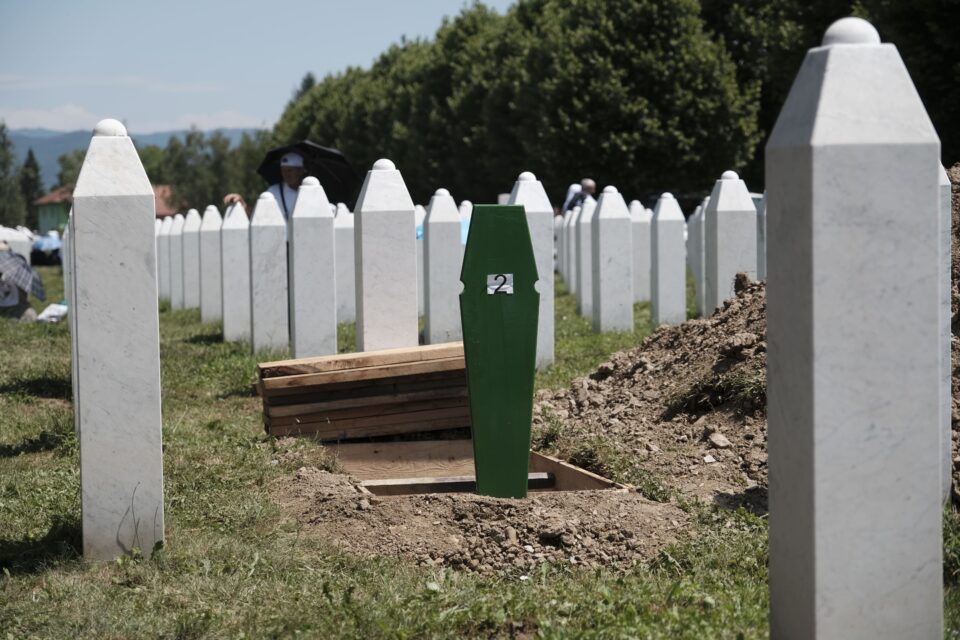
The Peace March will happen again next July, and the one after that. As survivors age and the generation with direct memory of 1995 grows smaller, the walk increasingly falls to the second generation of the diaspora and people who do not have personal ties to the genocide, but who nevertheless find remembering the genocide to be a personal obligation and an important step for the prevention of similar atrocities in the future.