Drinking coffee in Bosnia and Herzegovina, as well as neighboring countries, is a tradition that goes back a long way.
You don’t drink it merely to wake up, but to stop, rest, slow down, socialize, talk, negotiate, study, and relax your mind. An invitation to coffee a cafe, is never just about drinking coffee, whether in Sarajevo, Banja Luka, Belgrade, Podgorica, or any other city in the region. Rather, it’s about tradition combined with a lifestyle.
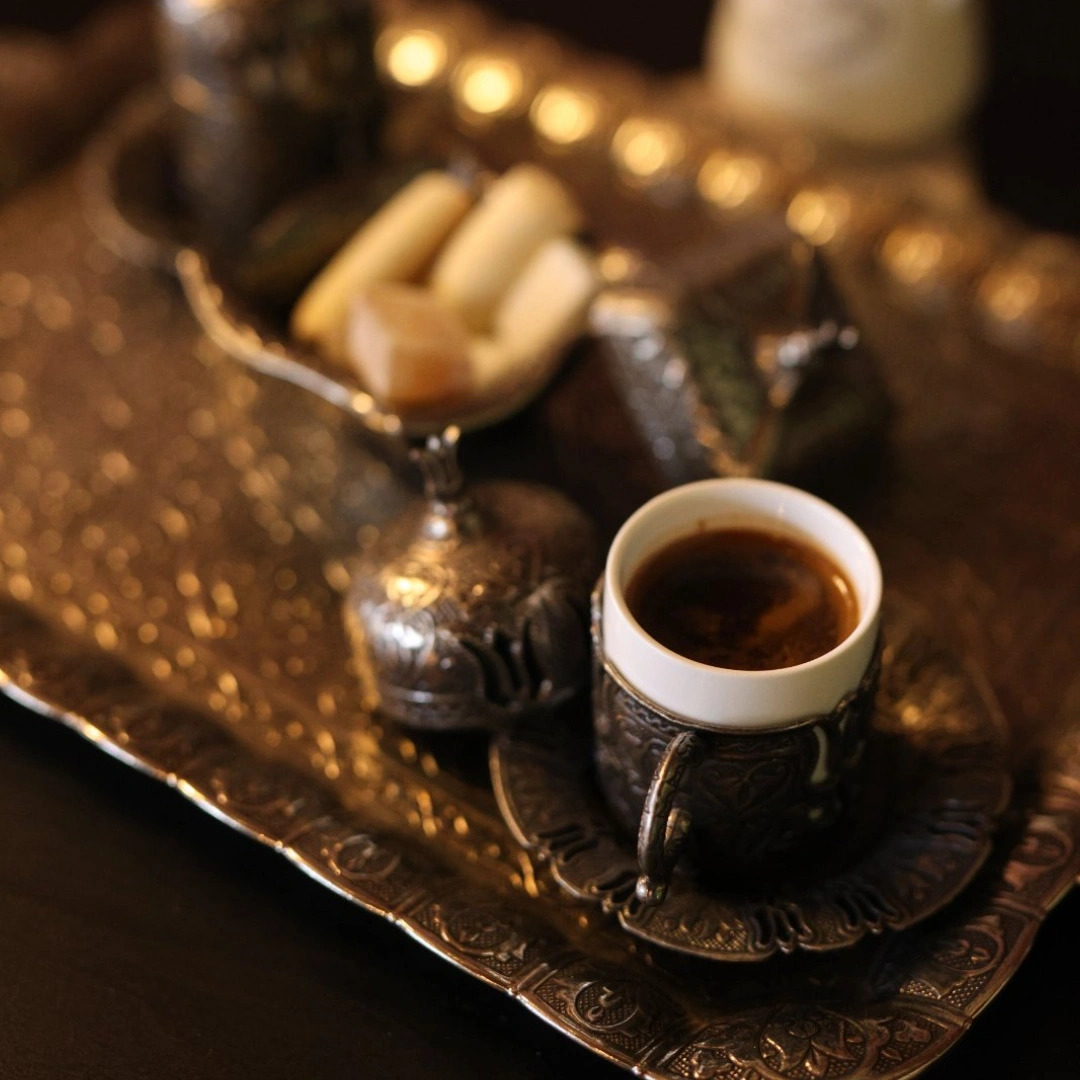
According to research, Sarajevo has the biggest coffee lovers in the Balkans. It is not just an ordinary drink, but a part of culture and everyday life. Traditional Bosnian coffee is made in a dzhezva and served with rahat lokum and is an indispensable part of social life. The first coffee shop in Europe was opened in Sarajevo in the mid-16th century, when coffee was enjoyed slowly over conversation. Following this model, coffee shops were opened a little later in Belgrade, Skopje, and other cities.
While preserving traditional ways of drinking coffee, Sarajevo also has new, more modern ways of consuming the so-called “black powder,” which comes in several varieties.
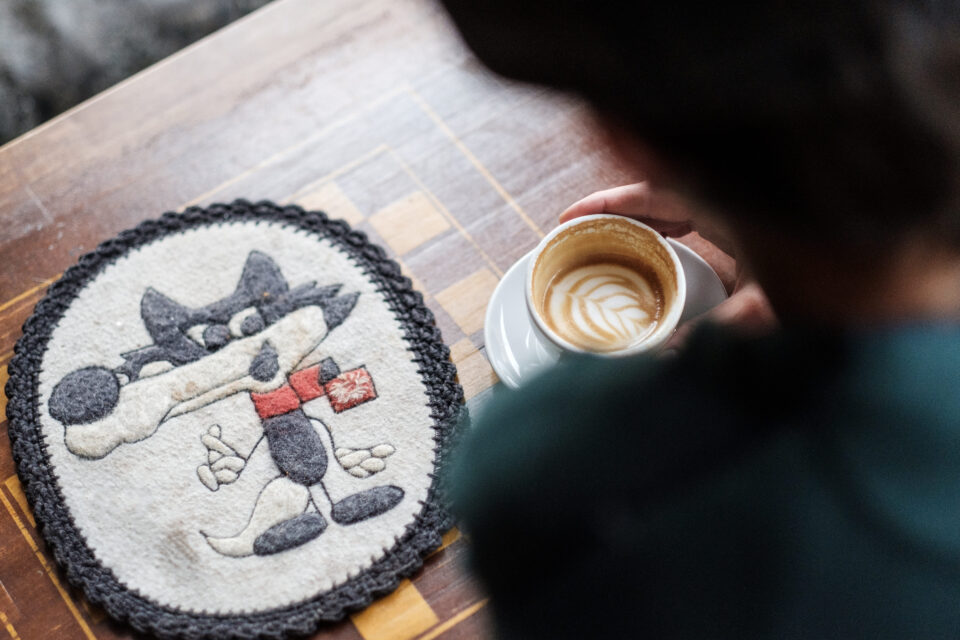
Ričard Šehić, manager of the two largest Fabrika Coffee branches, explained that they were created out of the need to return coffee to its essential place as a ritual, an experience, and a social occasion. Fabrika Coffee brings a contemporary approach that, according to Šehić, respects heritage but reinterprets it through design, quality, and atmosphere.
Modern Coffee or Tea
He explained that coffee is undergoing a transformation today: “The traditional habit of sitting and talking at length still exists, but it’s increasingly combined with a modern, more dynamic lifestyle.”
“Coffee is no longer just a habit, but an expression and identity – from the choice of coffee beans to the way we prepare it,” said Šehić.
The ambiance in which coffee is consumed is also becoming increasingly important. “The quality of the coffee is the basis, but the ambiance is what keeps the guest and builds emotion,” Šehić believes.
While coffee is a dominant ritual, Zee’s Cup of Tea in Banja Luka offers a different approach. Its owner, Željka Samardžija, has made her dream come true and opened a space inspired by her work in the hospitality industry in the United States, including serving High Tea at the Waldorf Astoria Hotel.
Zee’s Cup of Tea offers around 90 different tea flavors. The reactions of guests, as Samardžija explained, are most often surprise and curiosity. “Rarely does anyone opt for the usual teas – they are always looking for something new,” she said.
Although tea in Bosnia and Herzegovina and the region has traditionally been a drink for illness, Samardžija has noticed changes.
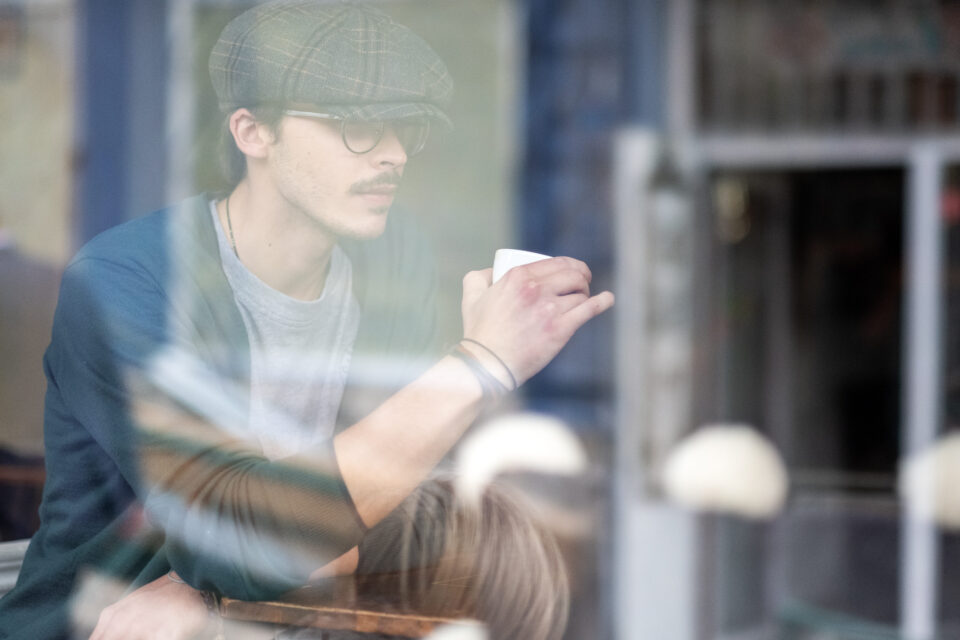
“In the last few years, more and more people have been sitting, talking, and relaxing over tea. I’m especially pleased that young people are swapping coffee for tea and seeing it as a ritual, not a function,” explained Samardžija, adding that the atmosphere is key.
She emphasized the familiar approach and the community she has built: “In the last two years of operation, I think I’ve built a nice community, and many guests have become friends.”
The example of this teahouse shows that there are changes, but the tradition of drinking coffee in the region still resembles its Sarajevan roots.
Deutsch in Montenegro
For Marko Vulević, a youth activist from Montenegro, drinking coffee is an indispensable part of everyday life. “It’s unthinkable to see someone without sitting down and drinking coffee,” remarks Vulević, noting that cafes are rarely empty and sitting for two or three hours over a single coffee is completely socially acceptable.
A special symbol of Montenegrin coffee culture is the “deutsch” – an extended espresso with milk, which, according to Vulević, can only be ordered under that name in Montenegro.
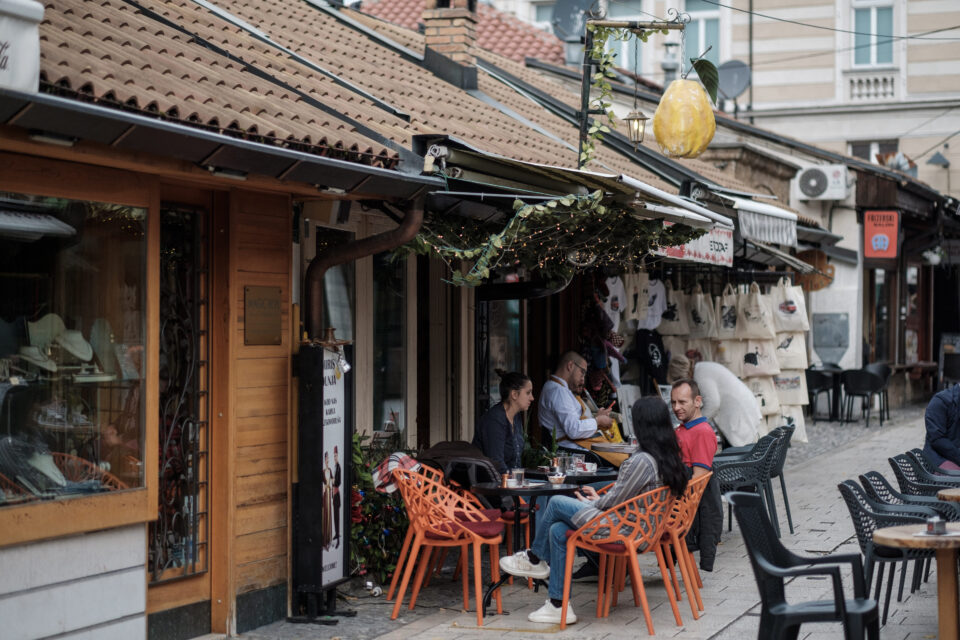
For Melina Mikić-Božanić, a youth activist from Serbia, drinking coffee is an escape from everyday life. “People go for coffee several times a week, and some even daily,” said Mikić-Božanić. She added that cafes are meeting places for all generations, and it is increasingly common for young people to work and study there. Although modern and specialty cafes are on the rise, Mikić-Božanić emphasizes that the traditional concept of sitting for long periods still persists, often with a newspaper, a book, or a laptop.
From Sarajevo’s specialty scene and Banja Luka’s quiet and friendly teahouses to Montenegrin coffee or the escape from everyday life in Serbia, the culture of drinking coffee is alive, changing, but also deeply rooted in tradition. It is a mirror of society, its needs, rhythms, and values. Whether you drink “deutsch” in Podgorica, specialty espresso in Sarajevo, tea in Banja Luka, or a tall coffee in Belgrade – the essence remains the same: coffee (or tea) in the Balkans is never just a drink, but a ritual, a space, and an identity.