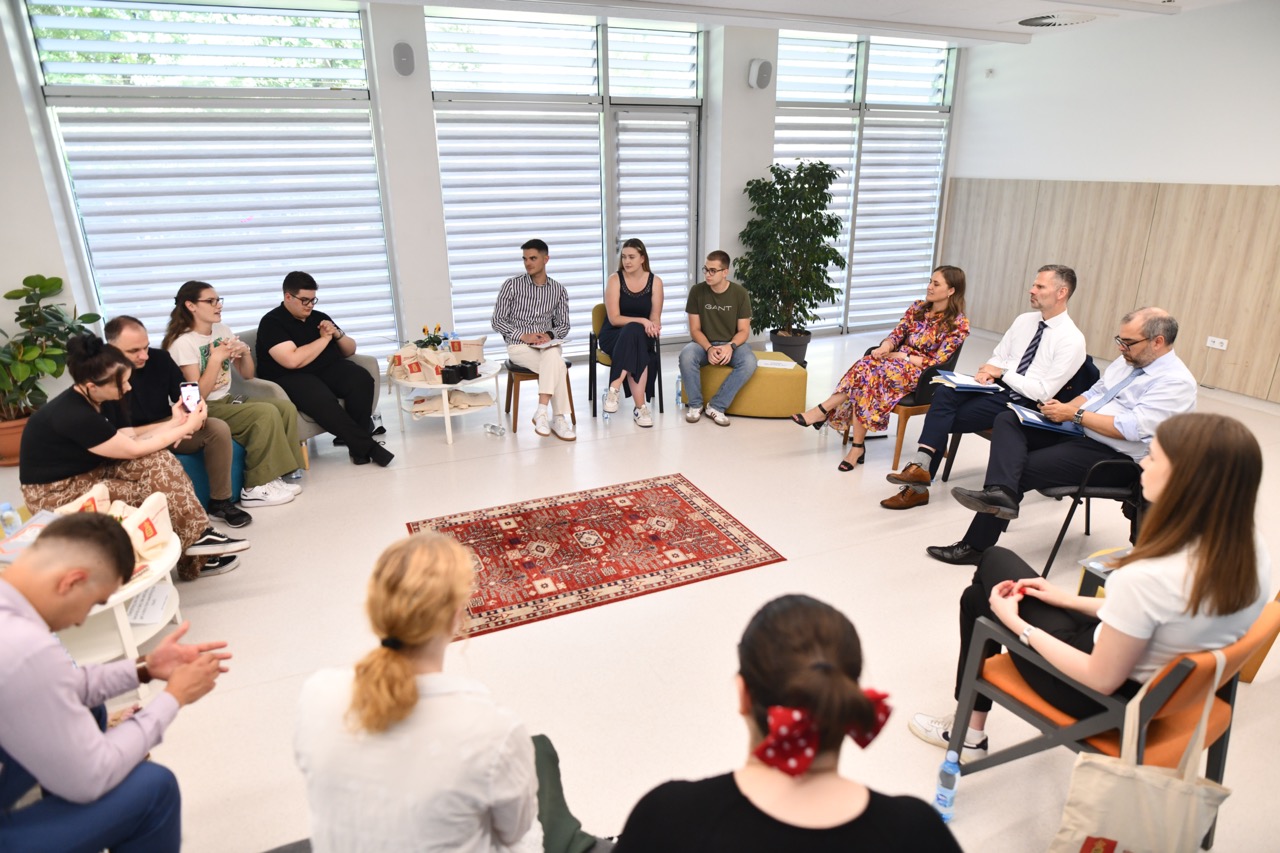
Seven years after the idea won a competition, Homework HUB has grown from a learning space to a youth community. Its director, Mirza Rastoder, sheds light on the scope, limitations, and cost of the platform.
At first glance, Homework HUB is a space to study, equipped with desks, laptops, Wi-Fi. Director Mirza Rastoder says that this is only the visible part of the story.
“The space is just what you see. HUB’s greatest value lies in what happens between people,” he says.
The goal was never simply to open just another coworking space, as Rastoder explains:
“The idea for Homework HUB didn’t come from the need to create another coworking space or another place for workshops; it arose from a very simple question: where can a young person go to learn, develop, meet people, get support, and do something original when there are no such spaces at home, university, or institutions?”
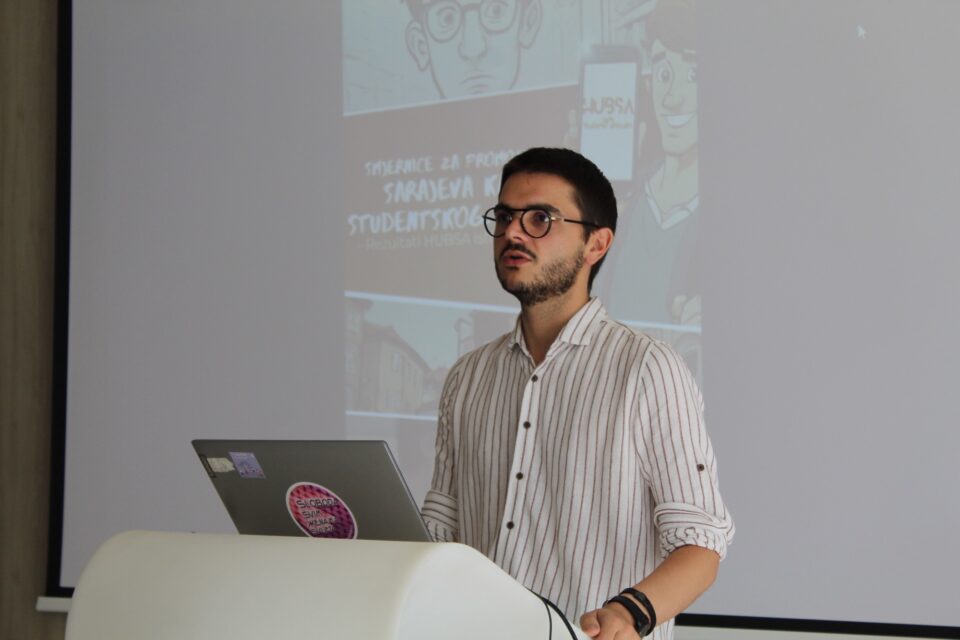
This question enabled him to identify several separate problems.
“Colleges had their own spaces, libraries had theirs, non-governmental organizations had their own programs, and companies offered their own training, but there was no place to connect all of this—a space open to young people regardless of whether they came to study for an exam, develop a business idea, seek an internship, or simply find community,” he says.
The idea originally won a competition.
“I didn’t know then that this idea would become something I would dedicate the next seven years to—turning into a kind of obsession that contributes to the development of society and the community as a whole,” the director admits.
From Space to Ecosystem
Although much has changed over the years, Rastoder observes that one important thing has remained consistent: “The belief that not only do young people have to be told to stay in Bosnia and Herzegovina, but that we have to create reasons for them to see a future here.”
Homework HUB’s programs expanded from a learning space to a community, eventually encompassing education, STEM, research, career development, freelancing, entrepreneurship, mental health, gender equality, inclusion, and international cooperation. Today HUB is no longer seen as the space it occupies—that’s just the infrastructure. More crucially, HUB is understood as the sum of the people, relationships, knowledge, and opportunities that arise from interpersonal connection.
Rastoder’s realization that he was building a community came gradually.
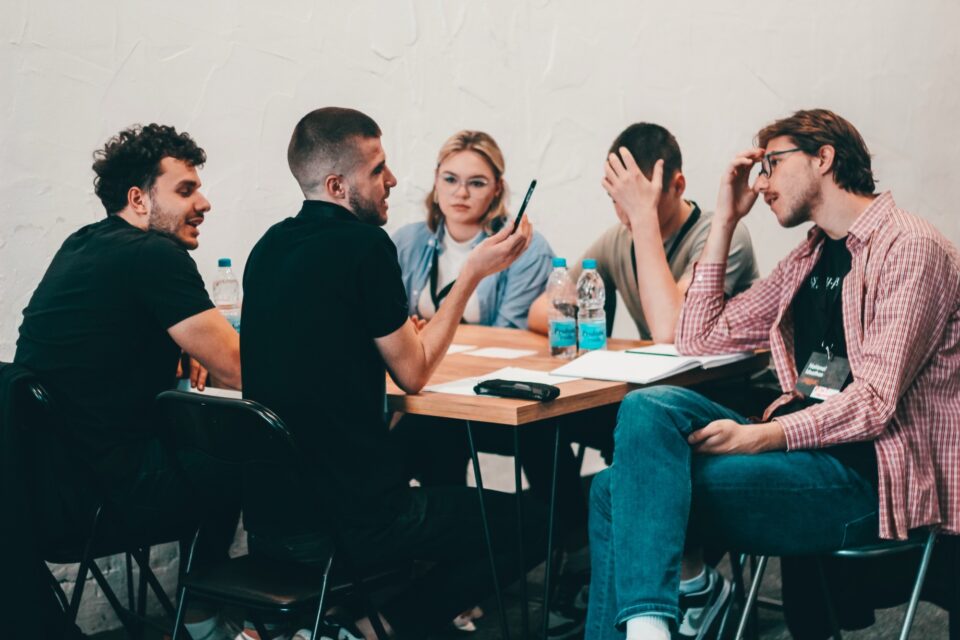
“It began when people started coming to the HUB not just for the programs, but to learn together. They kept returning, bringing friends along, and organizing their own activities. Over time, some even returned in different capacities. Someone might have first come as a student, then reappear years later as a partner, an instructor, or even someone who hired another HUB user. That’s when you realize you’re no longer just managing a space; you’re managing an ecosystem of relationships that you set in motion—but which no longer belongs to you alone,” he says.
Moments That Matter
When asked about the HUB’s most important moments, Rastoder doesn’t name an award or an event.
“The most meaningful moments for me are when I see that something we created continues to grow and make a difference beyond our own involvement. It might be a former HUB user who met someone there who they went on to launch a project with, someone who found their first work opportunity through HUB, or a student who once came to us for help and later became a mentor to others,” says Rastoder.
He’s particularly moved by a recurring gesture: after completing their studies, many members mention Homework HUB in their acknowledgments, preserving the memory of the hours, days, months, and years they spent there. Rather than highlighting one individual example, he emphasizes that the repetition of this gesture reflects the collective impact of the HUB on the lives of its members.
“There were many of them, and that’s why it’s hard for me to single out just one person. We most remember those who came without a clear idea but found direction over time. The moment when a person no longer needs me is especially important to me,” said Rastoder. He adds that when the HUB finds itself in a predicament—which happens often—he is proud that former users call and offer to help.
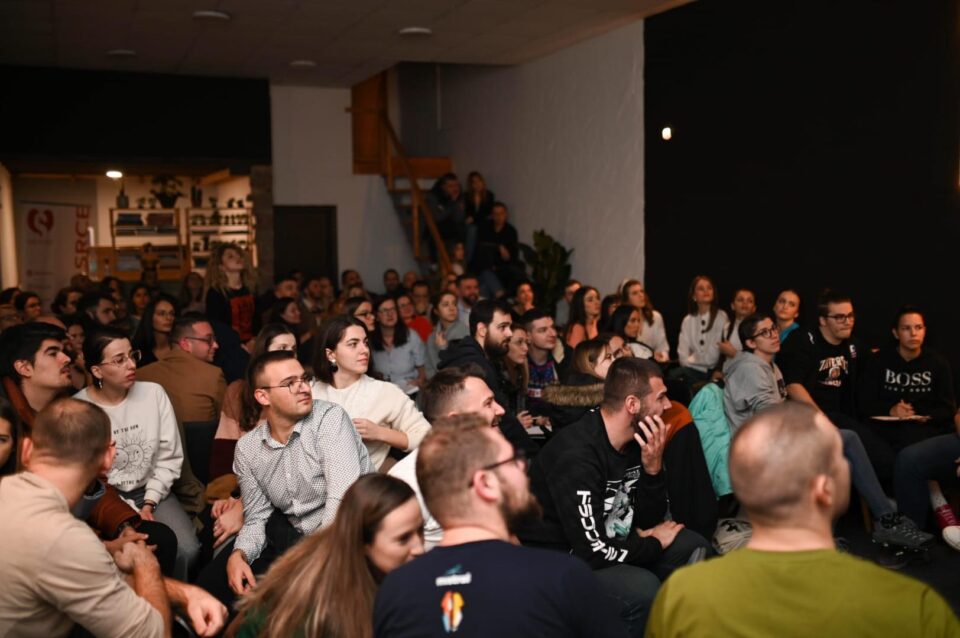
He describes Homework HUB as a place where young people come not only to gain knowledge, but also to share it, challenge it, and turn it into opportunities.
Young People Aren’t the Problem
Rastoder believes that as a society, we often speak about young people in the wrong way, viewing them as a problem to be solved rather than as individuals capable of solving problems. Yet, few are interested in addressing this issue because, from a political standpoint, young people aren’t a valued target group of voters.
“Adults underestimate the extent to which young people want to participate and be useful. At the same time, they only ask them for their opinions after a decision has already been made. Young people aren’t always looking for others to sort out their lives; often, what they seek is access, trust, space, and the opportunity to try,” he observes.
Rastoder sees the biggest problem in the application of knowledge. Formal education often provides knowledge, but the job market also requires the ability to apply that knowledge in a practical setting. He considers developing this skill a process that has been delayed for many years:
“The market should now enter education—a slightly different process that we’ve been avoiding for many years and thus devaluing diplomas.”
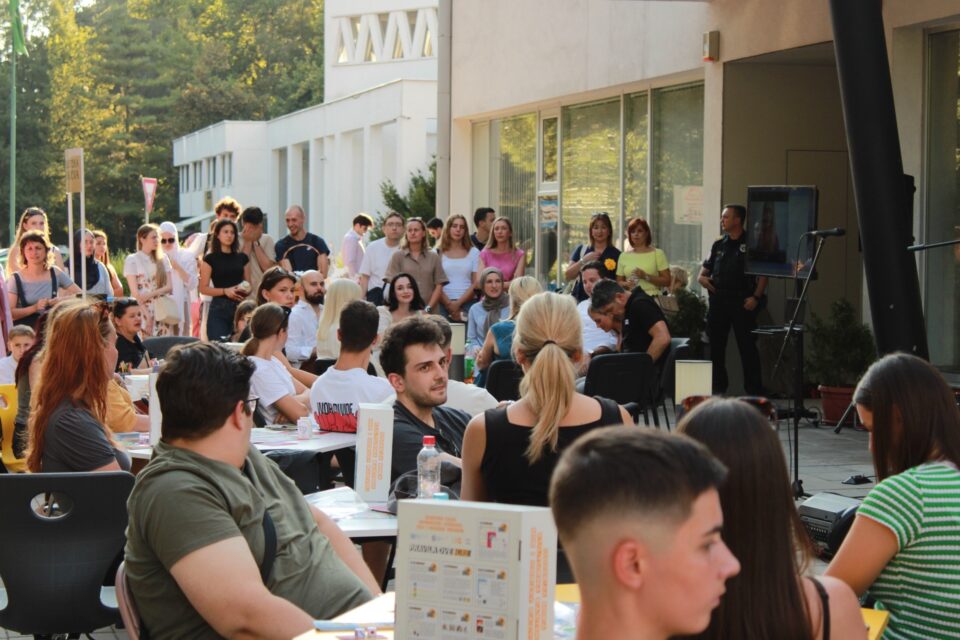
While not diminishing the importance of formal education, he lists skills that can’t always be learned through exams, including communication, teamwork, presentation, project management, digital skills, customer service, problem solving, and responsibility.
“I don’t think that colleges shouldn’t exist or that formal education isn’t important. On the contrary, the problem is that we need to better connect education with reality. We need to make academia our partner in life,” says Rastoder.
A Small Organization and A Large System
When asked whether HUB fills the gaps left by schools and colleges, he answers yes, but with a reservation.
“It does, but I never wanted the HUB to be a substitute for the system, but to be a helping hand for moving together towards the same goal. Unfortunately, didn’t exist, nor can I say that such hands were extended selflessly,” he says.
He cites this as his biggest frustration. When a small organization manages to do something good, it proves it’s possible, but it’s not sustainable to expect a few people to permanently replace what should be systemic.
“When you create something that works, the system sometimes says, ‘Good job, keep it up,’ instead of saying, ‘Great, let’s see how we can work together to make this accessible to thousands of young people,’” explains Rastoder.
He expresses mixed feelings regarding collaboration with institutions. For him, collaboration is crucial to achieving systemic impact. Institutions operate under procedures, mandates, and constraints not faced by small organizations. This creates a significant disparity—not just in pace, but also in the gap between how quickly a young person seeks a solution and how quickly the system can respond—and in the system’s willingness to engage with and retain young people.
“A partner must share at least some of our core philosophy: that we approach young people not merely as an audience, but as partners. It’s also important that a partner asks not just ‘How many people will attend the event?’ but rather, ‘What will these people be able to do afterward?’”
Program decisions begin with listening—most importantly, listening to young people—because you cannot create a program once and expect needs to stay the same five years later.
“When we started, AI wasn’t as significant as it is today. Now, you can’t have a serious discussion about the future of education and work while ignoring AI,” he notes.
HUB’s STEM programs for high school students were the clearest demonstrations to him that they were on the right path. He saw firsthand how giving someone the opportunity to research something for the first time, to make something, can lead them to say: ‘Maybe this is what I want to do.’”
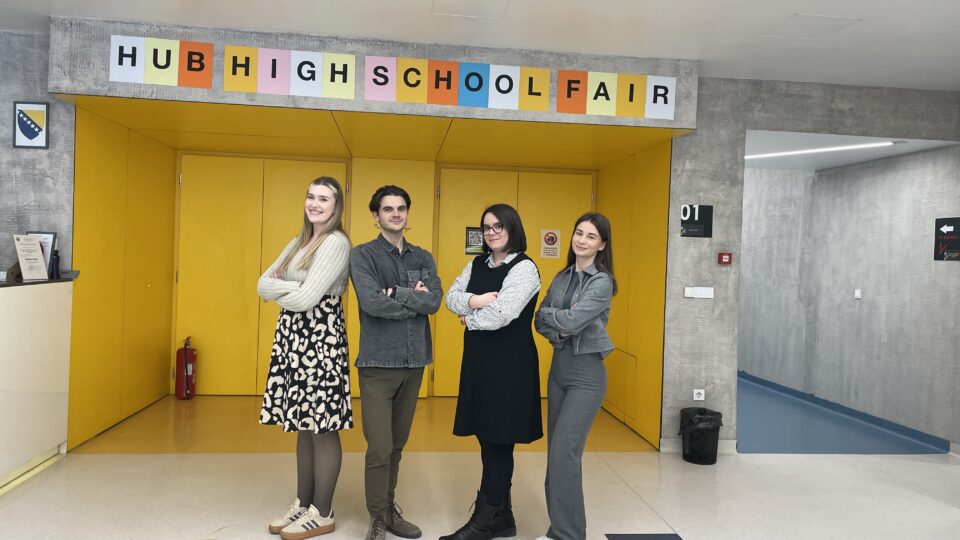
While he doesn’t claim that a single camp or workshop is likely to magically change the course of someone’s life, it can significantly change their perception and influence what they decide to study.
Behind the Numbers
While impressive figures have been presented to the public about HUB’s work, Rastoder insists on precision.
“The figure of over 20,000 young people and approximately 80 months of operation,” he explains, “refers to reach and participation through various activities, programs, events, and the use of the HUB. It shouldn’t be automatically interpreted as 20,000 different registered members—that’s an important distinction,” cautions Rastoder.
Today, they measure their success based on four factors: how many people use HUB, how many complete the programs, what they do afterward, and to what extent they return to contribute to the community.
He spoke candidly about monitoring outcomes:
“We had a lot of individual results, but we never did a good enough longitudinal follow-up with users, and that’s one of the things I see as an important lesson today. We were better at having an impact than we were at measuring it.”
While there is no aggregate data on users’ later employment or entrepreneurial activity, there are many individual success stories. Although HUB is known to have provided more than 50 young people with their first work experience, he considers the criticism about their outcome measurements justified.
“We used to be so focused on the next program that we didn’t stop long enough to measure what happened to the people who had already gone through the previous one,” he admits.
Rastoder lists mental health programs, free support, STEM camps, research initiatives, gender equality programs, accessibility for students with disabilities, student organizations, and dozens of accomplishments. HUB was also recognized by the Sarajevo Canton Assembly for its contributions to education and science, was nominated for the Global Startup Award for the best coworking space in Southeast Europe, and has maintained an A+ credit rating over the last three years.
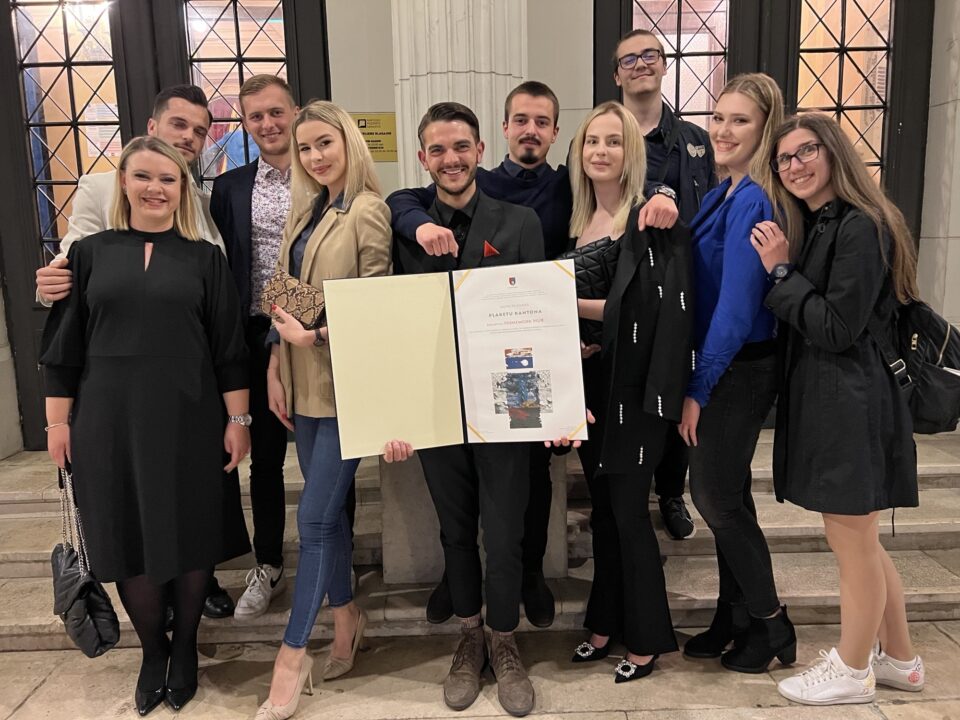
Yet, their greatest achievement is not found in awards, but in the youth themselves:
“When you ask them if they’ve heard of Homework HUB, they say yes, or they’ve actually taken part in its activities. In Sarajevo Canton, roughly one in every five young people fits this description. The biggest misconception is that the HUB is a for-profit organization,” added Rastoder.
Financial Obstacles
Rastoder identifies financing as the most difficult issue. Homework HUB was never conceived as a conventional business where profit is the ultimate goal. Membership fees, educational programs, partnerships, projects, and donations were intended to facilitate a sustainable social impact.
“This is where we encounter the greatest challenge: social impact does not exempt you from business expenses. You have salaries, rent, utilities, technology, maintenance, and all the other costs that any other business faces,” says Rastoder.
They have plans to increase the number of active members and expand project activities, but this will be difficult to achieve without institutional support. A key lesson Rastoder has learned as HUB’s founder is that “belief in an idea is not enough, but it is essential.”
“I’ve learned that you have to leverage all the knowledge you’ve acquired up to that point, whether in finance, human resources, marketing, law, sales, partnerships, crisis management, or many other areas,” he said.
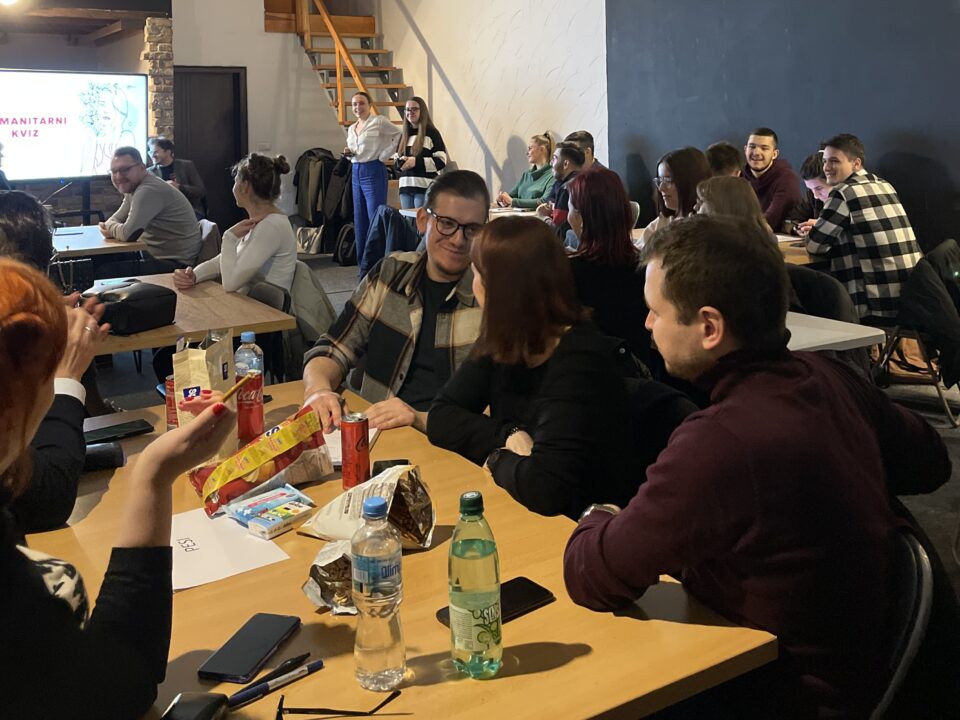
In five years, Rastoder wants the conversation around the HUB to focus not just on its location, but on how many young people have found opportunities through it. He envisions financial sustainability, reduced reliance on grants, a strong community of members and partners, and programs that bridge the gap between education and professional experience. The measure of success is clear.
“I will know we have succeeded when I can look at the generations of people we supported through the HUB—when I can say that they arrived as pupils and students, but emerged as individuals who create, work, conduct research, launch businesses, employ others, and return to help the generation following in their footsteps,” says Rastoder.