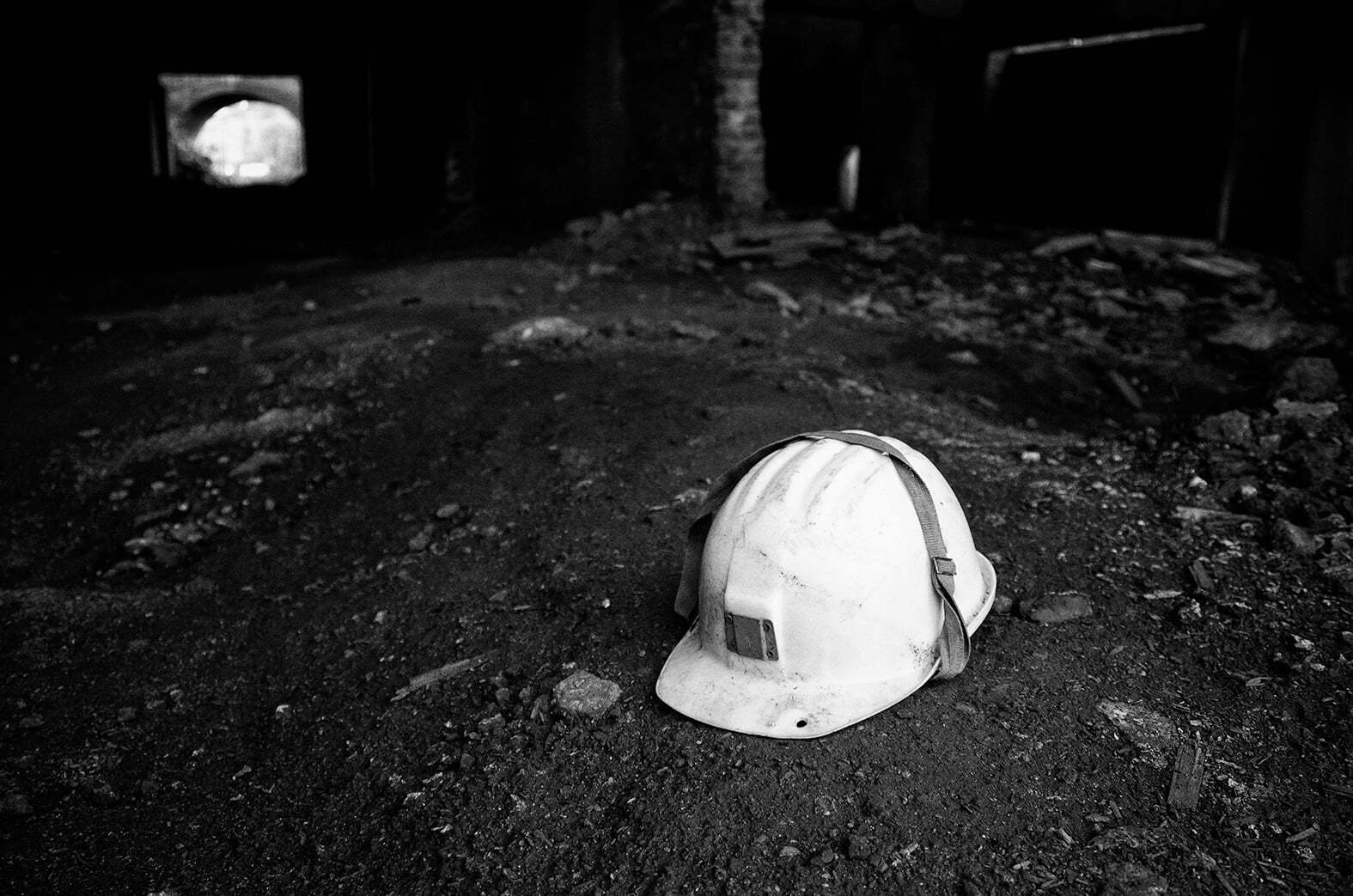
The Breza coal mine in central Bosnia and Herzegovina (BiH) is known for the tireless efforts of prominent miners like Alija Sirotanović and others who, tired but proud, worked below ground to work and build their community.
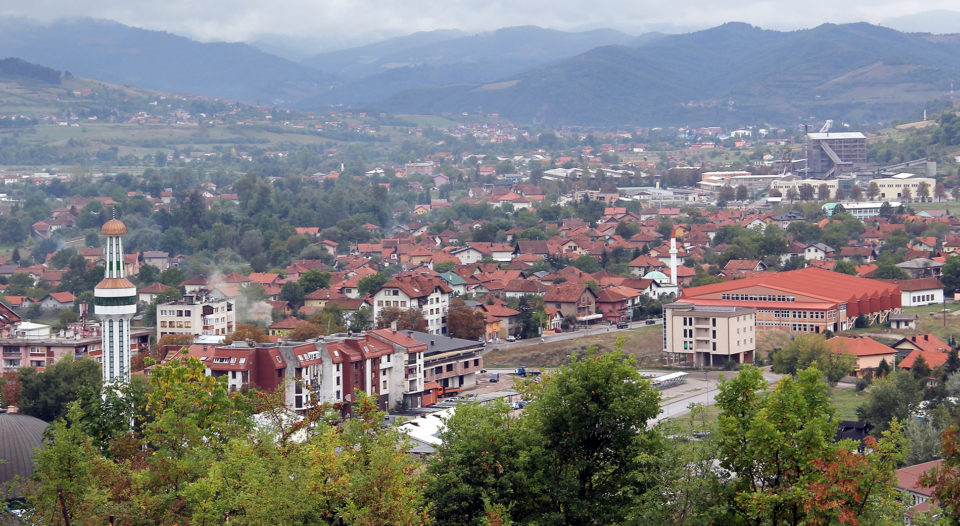
Since 1907, this coal mine has been not only integral to Breza’s identity but, for many, a means of survival and way of life. Today, walking among the mining buildings, sports fields, and cafes full of young people, it’s clear that there is still life in Breza. However, the mine’s imminent closure raises questions about the town’s future and identity.
For Adin Suljić, a 20-year-old police officer, the lives of young people in Breza seem “normal” at first glance—“maybe not as rich in content as in larger cities like Sarajevo, but still good.” While recognizing the mine’s importance, he thinks the town can survive without it, adding, “In my opinion, the town would be even cleaner without the mine.”
However, beneath this apparent stability lies a problem that almost all young people recognize: lack of opportunity. “There’s a shortage of jobs, and even when you get a job, it’s difficult to advance. Young people can succeed, but only a few, mostly privileged ones,” adds Suljić.
This feeling is shared by 19-year-old Emin Smailbegović, a student who observes daily how societal problems are shaping his generation’s future. “Young people are exposed to cigarettes, alcohol, gambling halls. All of this affects their development in a bad way,” says Smailbegović.
Although he sees himself as a future mechanical engineer, he admits that his professional future in Breza is uncertain.
This uncertainty is not just felt among young people in Breza but part of a wider problem in BiH. According to the data of the BiH Agency for Statistics, the unemployment rate for those between 15 and 24 years old is around 31 percent, which is among the highest in Europe. In smaller municipalities like Breza, where the labor market is limited and strongly tied to one industry, this problem is even more pronounced.“It’s difficult to build a career here, but I would like to stay. You can succeed, but if you aim for something bigger, you have to be ready to adapt,” Smailbegović points out.
A Town Without Mines: An End or a New Beginning?
Data shows that the mining sector in BiH, although important to local communities, is not a major employer overall. Jobs in mines and thermal power plants account for about three percent of total employment in the country, but in mining municipalities, the share can be over 20 percent.
The closure of the mine gives rise to dilemmas that are not only economic but also deeply rooted in identity. Smailbegović believes that without the mine, Breza would have to find a new self-image.
“Maybe its ambitions would turn towards sports, like a swimming pool or a gym, or some completely new identity,” he says, adding that he believes that people would still try to stay and work in Breza.
However, this transition cannot be spontaneous. Anes Fazlić, a 42-year-old employed in the automotive industry, currently sees no clear plan for life in Breza without the mine. “I don’t think the town has a strategic plan for something like that. It needs to launch an active industrial zone and attract foreign investment,” Fazlić asserts, citing the chicken processing factory Perutnina Ptuj as a positive example of industrial development beyond mining.
Proximity to Sarajevo: Advantage or Trap?
Among Breza residents, the town’s proximity to Sarajevo is widely considered a great advantage. Fazlić admits that he personally sees himself in Breza, but he often looks for professional opportunities further afield.
“It’s difficult in Breza specifically, but the proximity to Sarajevo opens up opportunities,” he said. Jasmin Beširević, a 45-year-old for whom the mine meant job security for years, shares a similar view: “For me, the mine means existence.” However, he also recognizes that Breza is hardly an ideal place for young people pursuing their careers, adding: “Young people have no opportunities. Most go to Sarajevo or abroad. There is no economy.”
Omar Memišević, a 29-year-old activist and foreign policy analyst with experience working in the non-governmental sector, believes that Breza has prospects, but only if young people become active promotors of change rather than passive observers of it.
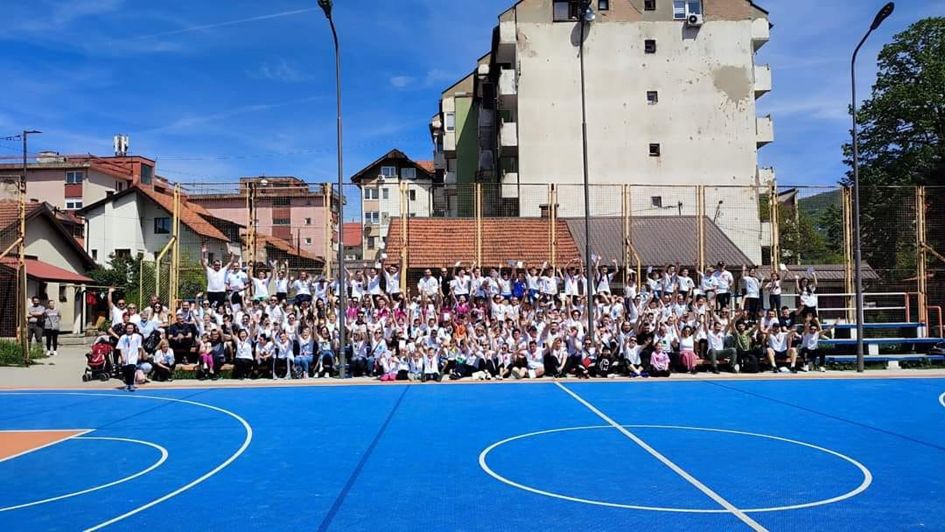
“Breza has potential and a real chance for development, but only if young people are included in the processes and decision-making on issues that directly concern them, as well as broader issues important for the local community and the town itself,” Memišević points out. He describes life in Breza as relatively stable, particularly compared to some of the other municipalities in BiH.
“Life in Breza is currently solid by certain standards, but there is definitely room for improvement, especially when it comes to career-building and employment opportunities for young people,” he adds.
Memišević also acknowledges that the responsibility for change does not lie solely with local authorities and public officials:
“One of the biggest obstacles for young people, in addition to the authorities, is precisely the young people themselves. Passivity, low participation in decision-making, and the failure to advocate for themselves further complicate the necessary changes.”
To Stay or To Leave?
Conversations with young people and workers in Breza reveal a town that is not disappearing but seeking a new purpose. While some see potential in sports, industry, and proximity to the capital, others fear that without a clear vision and investment, Breza could become just another stopover on the road to Sarajevo or abroad.
The fate of Breza depends not only on the mine but on whether the town will use this temporary quiet to envision a new future, one in which young people will not have to choose between local identity and fulfillment.